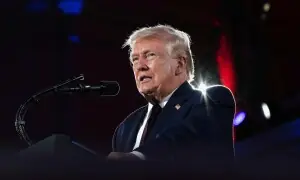
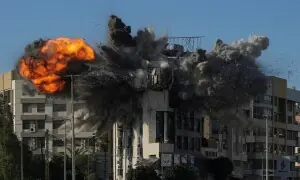
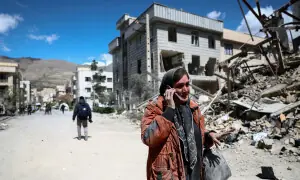
US president asks Tehran to "make a deal or open up" Hormuz; Iran missiles land near military headquarters in Tel Aviv, drone sets Israeli tanker on fire.
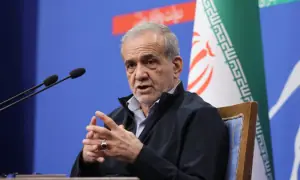
Iranian official says "immediate focus is on war, not negotiations" amid deployment of US specialised military hardware and personnel in the region and "deep mistrust".
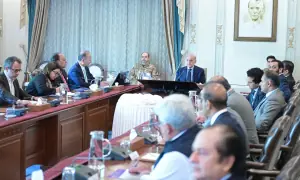
Public transport in Islamabad free for the next 30 days, starting from Saturday; motorcyclists in Punjab can avail 20 litres of petrol per month at a discounted rate of Rs 100 per litre.
With no credible diplomatic breakthrough in sight and parallel diplomatic efforts struggling to gain traction, the conflict is set to continue along its current path of high-intensity attrition.
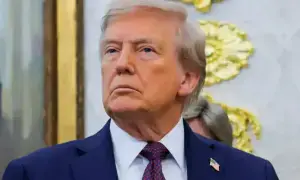
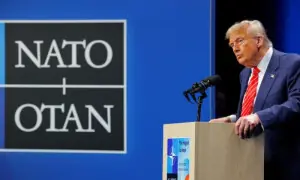
Trump describes the conflict as a “decisive, overwhelming victory”; says Israel’s survival would have been jeopardised had the 2015 nuclear agreement remained intact.
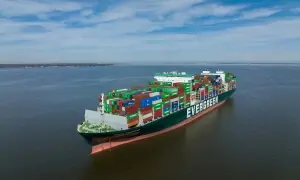
Enraged by European allies who have refused to back his fight, rejected demands to help reopen the Strait of Hormuz, or denied access to US jets, Trump’s tone has grown increasingly menacing.
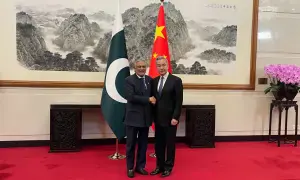
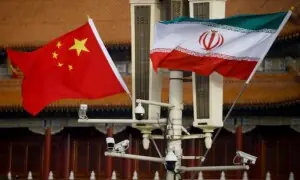
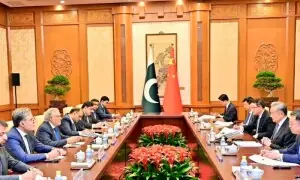
While China and Iran are sometimes considered part of a broader anti-Western group — alongside Russia and North Korea — their relationship is transactional.
It seems that the coming days are likely to be shaped by the interaction between continuation of military actions across multiple fronts, scarce de-escalation pathways and growing economic pressures.