0
0
DUBLIN A coalition of campaigners against cluster munitions was awarded on Friday an Irish peace prize whose previous winners include Nelson Mandela and Benazir Bhutto.
The Cluster Munition Coalition, a group of some 300 non-governmental organisations, won the 2008 Tipperary Peace Prize on Friday in recognition of its campaign to outlaw the deadly armaments.
“Their indomitable spirit has inspired us all,” said Foreign Minister Micheal Martin at the award ceremony in Tipperary in the south Irish midlands.
He praised the major contribution of the CMC in securing adoption of the Convention on Cluster Munitions, an international agreement forged at a meeting in Dublin last May.
The CMC had “offered us a model and a master class in how to run an effective campaign,” said the Irish minister.
“Time and again, we have seen them combine passion for a just cause with the technical expertise and communications skills to rebut the stalling and alarmist arguments put forward by those reluctant to face up to realities.” Martin paid personal tribute to Branislav Kapetanovic, a Serbian de-miner severely injured in the course of his work, who accepted the award on behalf of CMC.
The landmark Convention on Cluster Munitions was agreed by delegates from 111 countries to ban cluster bombs, though the deal lacked the backing of major producers and stockpilers.
The Tipperary Convention said CMC's campaign was “certain to save thousands and thousands of civilian lives for decades to come” and urged all states to sign and ratify the treaty without delay.
Last year it awarded its prize posthumously to assassinated Pakistani opposition leader Bhutto.
Previous awards went to South Africa's first post-apartheid president Nelson Mandela and Live Aid organizer and outspoken anti-poverty campaigner Bob Geldof.
Cluster munitions are among the weapons that pose the gravest dangers to civilians, especially in heavily bombed countries such as Laos, Vietnam and Afghanistan.
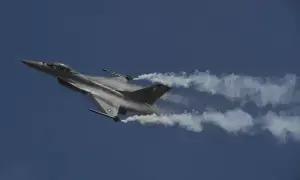
Dropped from planes or fired from artillery, they explode in mid-air, randomly scattering bomblets. Countries are seeking a ban due to the risk of civilians being killed or maimed by them.
They pose a lasting threat to civilians as many bomblets fail to explode on impact.—AFP