2
2

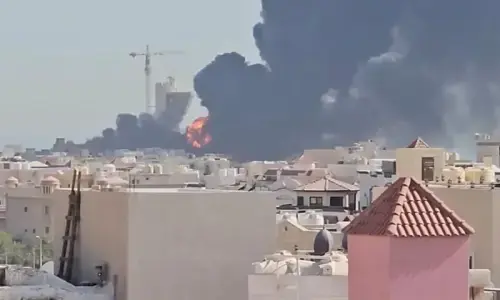
THAT Pakistan is considered amongst the most dangerous countries in the world for journalists is hardly surprising. Journalists have faced threats, they have been harassed and attacked by elements ranging from criminals and terrorists to state institutions and governments. Meanwhile, as the country has been sucked into a vortex of violence, too many journalists have been killed in the line of duty. This month, the country struggled to come to terms with the deaths of some 100 people in twin blasts in Quetta. Amongst them were three journalists, Imran Sheikh, Saifur Rehman and Iqbal Hussain.
Were these journalists’ deaths preventable? Did the men have even basic safety equipment such as flak jackets, and the awareness and training to protect themselves as far as possible? They were killed in the second blast, timed to take place once people had gathered on the site of the first explosion. We also know that in the cut-throat climate of the news industry in Pakistan today and the race to grab viewers and ratings, concern about those in the actual theatre of operations is shrugged off. The unfortunate reality is that news directors from the safety of their offices miles away, urge journalists on the spot to get as close as possible to the venue of attack; if the representatives of one news outlet manages to get a closer look, the rest are sent in too. Sometimes, the journalists themselves press forward in their effort to ensure the best possible coverage. However, wiser counsel dictates that the newsmen show restraint until security personnel have declared the area safe, as was notable in the chaos that ensued after the 7/7 London bombings.
It would be incorrect to say that there is no awareness on part of news organisations. After the attack on GHQ in Rawalpindi some years ago, during which hostages were taken by the extremists, news channels debated how such events should be covered. The matter of journalists’ physical security was also discussed, and there was an attempt to collectively come up with ethical and safety mechanisms. In practice, though, this matter of concern is hardly a priority. The best service that the news business can do now in the memory of journalists killed while on duty is to revisit that safety code for newsmen. The latter must be provided life insurance, made aware of the dangers of their profession and given safety training and gear such as bullet-proof jackets. News organisations cannot improve the country’s security situation; but they can improve the survival chances of their staff.