2
2

THE car park of the central bus station in the Turkish border city Antakya, a once-bustling junction of cars and coaches to and from Syria, was almost empty. Four men sat around a low table, playing cards. “That’s what we do all day now,” one of them said.
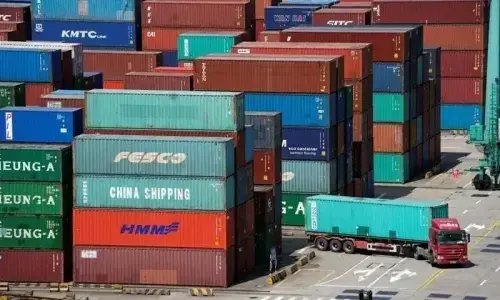
A previously flourishing border trade, which topped $2.5bn two years ago, has been decimated by the violence in Syria and Turkey’s hardening stance against the Assad regime. Local businesses in Antakya are starting to feel the pinch.
Mustafa Gunsas, who works in the small ticket office of a local bus company, described the slump. “We have 10 service buses and each used to be full,” he said. “Now there are maybe two or three passengers in every service bus [to the main station from where coaches leave]. I lost all my tips. We used to eat chicken every day at home, but now we can barely make ends meet.”
Mehmet, the owner of a textile shop across the street, said he had had to fire all of his four employees. “Business dropped by 95 per cent. There used to be many Syrians who came for a day or two to shop here, but that has stopped.” He paused. “Many of us want Bashar [al-Assad] to stay, and stability to return to Syria. We were better off before.”
They are not the only Turks who quietly express support for the regime in Damascus. Religious minorities including Christians, Alevis (a Turkish Muslim sect) and Alawites (their Arabic-speaking counterparts) are increasingly anxious that the government’s active support for Syria’s armed opposition could have a distinctly negative upshot.
Cemil Mityasoglu, a Christian wholesale market trader from Antakya, summed it up: “For many Alevis and Christians, Syria seemed like a safe haven. For them it was reassuring to live so close to the Syrian border, knowing that they could always go there if things became ugly in Turkey.”
Turkey’s 20 million Alevis share some belief systems with Syria’s Alawites, who count the ruling Assad family among their number. Sympathy for Assad is not hard to find in the border Alevi and Alawite communities near Antakya.
Ipek Arat, 36, in the town of Samandagi, works in a silk retailing business that her father founded in 1952. She said she actively followed the events in Syria on Facebook. “Here, people support Bashar al-Assad. [The Turkish prime minister, Recep Tayyip] Erdogan is making a big mistake.”
She criticised Turkey’s double standards: “Just as Turkey does not want Syria or Iraq to support the PKK, the Syrian government does not want Turkey to support the armed opposition. I think there is no difference between the two positions.”
Ayhan Aslan, a district elder, also criticised Turkey’s AKP government for its Syria policy. “We are the minority here. Who will protect us if sectarian violence comes across the border? Certainly none of the western governments who wish for Assad to be overthrown.” — The Guardian, London