0
0

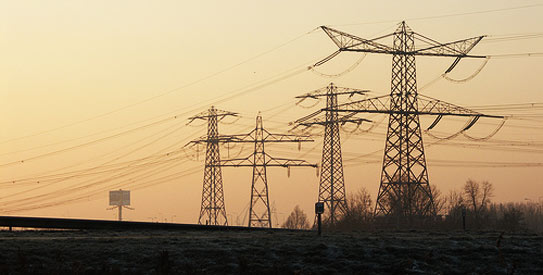
As the country’s electricity mix has tilted heavily towards expensive thermal power — increasing consumer tariff by almost 100 per cent in just 18 months — focus is shifting to comparatively cheaper sources of hydropower and coal-fired power projects.
However, it would be quite some time before such projects move out of the official papers to the implementation phase.
The official and political neglect spanning over decades towards developing more than 25,000 MW of simple run-of-the-river projects is a black spot on Pakistan’s economic growth and development agenda.
Though belated, policymakers have started seriously working on development of domestic hydropower resources, 969 MW Neelum-Jhelum Hydropower Project and 1100 MW Kohala Hydropower Projects, being two major initiatives. The electricity cost from these two plants is estimated between 7-9 cents per unit.
Simultaneously, the government is vigorously working on electricity imports from Kyrgyzstan, Tajikistan, Uzbekistan and Iran. Of late, there has been a strong push for import of Indian electricity of about 500 MW.
The cost of all these imports are much cheaper when compared with domestic thermal power, ranging between 8-14 cents per unit at present. The imported electricity costs are generally in line with domestic hydropower costs but given the associated economic benefits of local job creation and economic activity arising out of domestic use of construction material and associated engineering services and goods, the domestic hydropower projects far outweigh import options.
The cabinet has given approval of memorandum of understanding for import of electricity from Kyrgyz republic and Tajikistan. The project proposal called CASA-1000 was approved for import of 1000 to 1300 MW surplus hydropower from these countries via Afghanistan.
During the visit of the prime minister to Dushambe, Tajikistan in November 2010, emphasis was laid on early implementation of the project. The President of Pakistan during his visit to Dushanbe in September 2011 reiterated Pakistan’s commitment to the project and gave a directive to expedite project implementation.
The project is designed to transmit 300 MW to Afghanistan and 1000 MW to Pakistan through 500kv AC line of 477 km and 500kv DC line of 750 km. The total project cost is estimated at $875 million while its share in part of Pakistan is estimated at $182 million. The average cost of energy at source has been worked out at 1.75 US cents per unit while levelised cost of transmission is estimated at five cents per unit. As such, the cost of electricity delivered in Pakistan comes to 6.75 cents per unit.
During the recent visit of Prime Minister Gilani to Russia, Moscow has promised $500 million soft term loan for the transmission line of the CASA-1000.
However, as Uzbekistan has opposed the CASA-1000 project claiming river rights on waters on which the Rogun Hydropower project is located. In a letter of disapproval to Islamabad, Uzbekistan said the low riparian states — not only Uzbekistan but Kazakhstan and Turkmenistan too — were opposed to the project because a mandatory Trans-boundary Environmental Impact Assessment (TEIA) report for the development of Rogun Hydropower project had not been shared by Tajikistan for clearance.
As a result, Pakistan also agreed to consider importing 1000 MW electricity from Uzbekistan through a 500kv DC line of 900 km. The total project cost is estimated at $638 million including $460 million outside Uzbekistan and $178 million in Uzbekistan. The average cost of energy at source in Uzbekistan has been estimated at six US cents per unit while its transmission cost is estimated at 1.5 cents per unit. The cost of power delivered in Pakistan works out at 7.5 cents per unit.
In comparison, the 1000 MW power import from Iran also involves 500kv DC line of about 678 km. The total project cost has been estimated at $663 million including $413 million on 585 km transmission line inside Pakistan and $250 million inside Iran. The average cost of energy at source is estimated at 5.3 cents per unit and the levelised transmission cost at 1.5 cents per unit. Therefore, the total cost of energy delivered in Pakistan has been estimated at 6.8 cents per unit.
There are, however, some initial implementation hitches that need to be sorted out to translate plans into reality. For example, with plans of importing 100 megawatts of electricity for Gwadar in advanced stages, Pakistani banks are reluctant to open letters of credit to Iranian banks owing to sanctions imposed by the West.
In recent interactions, Islamabad has asked Tehran to consider alternate options including bartering commodity exports. The two sides have signed agreements for the import of 100 MW of electricity for Gwadar at the rate of about Rs7 per unit and hope to deliver about 35 MW in Makran in couple of months. The two sides are also negotiating another contract for the import of another 1,000 MW, expected to start power supply in about two years.
On 1,000 MW import from Iran, the two sides are yet to finalise a contract for laying transmission line and interconnection.
Under the Rs74 million contract already signed, Pakistan’s Nespak Engineering and Mushanir Power of Iran would determine the technical and financial viability of proposed electrical interconnection between Pakistan’s NTDC and Iran’s TAVANIR.
The joint study shall rank techno-economic merits and cover preliminary cost estimates and operational regimes. The contract between Iran’s Mushanir and Pakistan’s Nespak signed in 2009 was worth Rs427 million and 400,000 Canadian dollars.
The joint venture has completed reconnaissance survey of the line route in Pakistan. The final route survey and investigation report was submitted by Nespak last week. in order to finalise the design and feasibility study; final comments from TAVANIR are still awaited.
Initial estimates suggest the Iranian portion of the transmission line (Zahidan-Mirjaveh on Iranian border) and switching stations in Zahedan would cost $254 million. The transmission line and other facilities in Pakistan from Taftan to Quetta section would cost another $420 million, taking the total project cost to $674 million.
Once the comments are available from Iran, the two sides would activate the functions of a joint steering committee to take the project into implementation phase that would involve engagement of project consultants, arrangements for financing and tariff negotiations.
The pressing need, however, is to focus with full speed, time and financing on developing domestic cheaper energy resources to kick-start economic activity in the country and sorting out political and technical issues on equally important and cheaper import options to minimise the contribution of expensive thermal plants whose energy costs keep going up with rising international oil prices and that cause huge foreign exchange outflows. With about $12 billion, the furnace oil import has the largest share in the country’s rising import bill.