0
0

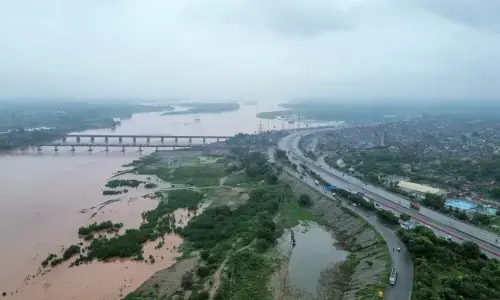
ISLAMABAD, Nov 9: Four western agencies working in Sindh to help millions of people affected by the floods came out on Wednesday with a sombre warning, saying a shortage of funds might force them to close their relief programmes.
Oxfam, Save the Children, Care and ACTED said in a statement that relief efforts reaching over five million people ran into the funds shortage at a time when diseases and widespread malnutrition were posing a threat to the flood-hit people.
Oxfam says if money is not found soon it will be forced to cut back on its efforts after December, meaning that 3.9 million people it planned to reach will go without help.
Save the Children has raised only 35 per cent of its global appeal. Care, facing a shortfall of 91 per cent of what it has sought, is struggling to continue its relief programme.
“Care has used its own resources to fund this response, which is focusing on emergency healthcare and food security. Due to a funding shortfall, we’ve only reached roughly 10 per cent of the targeted 150,000 in need of emergency healthcare in areas where we and our local partners operate,” said Waleed Rauf, country director of Care International.
The $357 million UN appeal has so far received only $96.5 million.
“The 2011 floods flash appeal remains distressingly under-funded with a 73 per cent shortfall and if more funding is not received relief supplies will run out within weeks which impacts UN agencies from providing life-saving clean water, sanitation, food, shelter and healthcare,” UN spokesperson Stacey Winston said.
The government also faces a funding crisis and might be forced to scale down its relief efforts.
“Over two months into the crisis, millions of people are still without basics. If relief operations stop, it could lead to an unimaginable catastrophe. Healthcare, clean water and sanitation are needed to stem a looming public health crisis. The precarious food system is under threat as there’s an acute food shortage, and many farmers will miss the winter cropping season.
With winter approaching fast, millions of people, who are still without shelter, will be left out in the cold. We urgently need to see the same donor generosity that took place last year during floods,” said Oxfam’s country director Neva Khan.
According to latest estimates, three million people are in urgent need of food assistance.
Diseases among the flood victims are on the rise and lives of at least two million adults and three million children are at risk.
Stagnant waters and approaching winter season have increased the risk of a major outbreak of dengue, malaria and acute respiratory infection. Over 160,000 expectant mothers require life-saving medical services in the next six months.
“We had expected the situation to stabilise by now but conditions are going from bad to worse. Each day that passes puts more children at risk of contracting diseases. Malnutrition levels among children under five are among some of our worst recorded cases. Children’s immunity is very weak, and we fear winter will make the situation worse, if aid is not immediately stepped up,” Save the Children’s country director David Wright said.
Over 67 per cent of food stocks and 73 per cent of crops in 13 districts of Sindh have been destroyed. Farmers whose fields are still under water will miss the winter planting season leading to hunger.
Approximately, 3.6 million people urgently require agricultural support to resume food production and income generation activities.
“It is unfortunate that millions of flood-affected people have received so little humanitarian aid to meet their urgent food, water and shelter needs. These people have lost everything and they require immediate assistance to be able to survive coming winter months, and to have a chance to rebuild their lives,” ACTED country director Andy Buchanan said.