0
0


LA PAZ: Bolivia and the United States agreed on Monday to patch up their differences and restore full diplomatic relations three years after the Andean nation’s leftist president threw out the American ambassador.
In an agreement signed in Washington, the two countries pledged to work together to fight illegal drug production and trafficking. Bolivia is a major cocaine producer.
President Evo Morales, a former coca farmer and critic of Washington’s policies in Latin America, expelled the US ambassador and Drug Enforcement Administration (DEA) agents in 2008, accusing them of plotting with his rightist enemies.
Washington responded by sending Bolivia’s ambassador home.
Relations have gradually improved since then and talks to normalize relations started last year.
The agreement signed in Washington envisions “the swift return of ambassadors to Washington and La Paz,” according to a a statement from Bolivia’s Foreign Ministry. It did not say when the ambassadors would take up their posts.
It made specific mention of cooperation to fight drug trafficking and production in the Andean nation, the world’s third cocaine producer after Peru and Colombia.
“The accord’s objectives include strengthening and deepening bilateral relations ... (and) supporting efficient cooperation against the production and trafficking of illegal drugs,” the statement said.
Washington has previously accused Bolivia of not doing enough to fight the drugs trade.
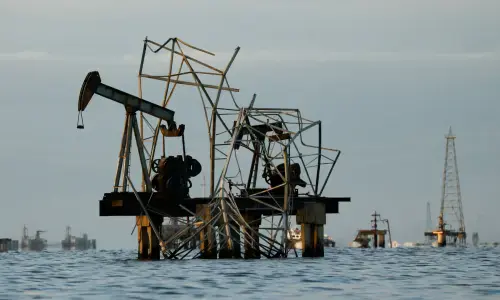
Morales, a close ally of longtime US critics such as Venezuelan President Hugo Chavez and Cuba’s Fidel Castro, nationalized the oil and natural gas sector in 2006 and frequently blasts what he calls US imperialism.
The Obama administration has worked to improve links with Latin America, hoping to smooth working relationships with regional powers such as Brazil and strengthen trade and diplomatic ties as new players such as China and Iran gain influence in the resource-rich region.