1
1

The small and recharge dams in Kohistan, Kachho and Thar areas have greatly benefited small growers in the cultivation of Rabi crops after the recent heavy rains in Sindh.
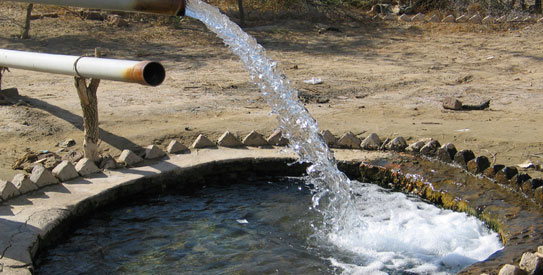
After heavy monsoon downpour in the Kirthar Mountains range, underground water in wells have recharged in the Sari Union Council of Kohistan belt in Jamshoro district. Growers have started cultivating Jowar, wheat and vegetables specially onion around the recharged dam lifting water from these wells.
Saeed Palari, a grower of Sari area, said that before the construction of recharge dam, he could hardly cultivate his four acres after rains in the area. After the dam was built, underground water was available at a depth of six feet in the wells and he was able to cultivate wheat, Jowar and onion on his 60 acres.
There were 11 wells in the bed of Sari recharge dam and 20 on the outskirts of the town. The 8000 inhabitants of this small town were using water of the dam both for drinking purposes and and for their livestock, he said.
Another small grower of the area, Mohammad Ramzan Khaskheli, said that earlier the underground water available at a depth of 250-300 feet was brackish and could not be used for drinking purpose. The families living in the area had to purchase drinking water at at a cost of Rs1,300-1,500 per tanker every week. At present was is found at a depth of 6-7 feet in these wells and he had cultivated Jowar and onion on his 40 acres along with other growers of the area.
The rainwater and hilltorents in the past could not be used for drinking and crop cultivation purposes as it escaped through Nai Sari. But now present the water is stored in recharge dam and used by farmers. He demanded construction of more such dams in the area.
The executive engineer of small dams, Kohistan-II Division, Ikram Qureshi, said this recharge dam was constructed on an area of 2008 feet at a height of eight feet to cover 75 square miles. It has a capacity to discharge 16,000 cusecs of water. Growers have cultivated crops on 16,500 acres and more area was under cultivation. He said in all eight recharge dams had been constructed in the Kohistan area and three were under progress.
Babar Hussain Effendi, appointed recently as project director/chief engineer of small dam organisation to look after the ongoing works in the area, said that after the construction of small dams, recharge dams and detention weirs underground water would remain recharged till 8-12 months for cultivation of crops. The problem of drinking water in the area would also be solved, he said.
He said that some 221 such dams were identified by irrigation experts in various parts of Sindh, out of which 30 small dams, recharge dams and delay action dams were completed while work on 17 others were under progress. He said Rs50 million was released for the purpose in financial year 2009-2010 and Rs41 million in 2010-2011 out of the proposed Rs12,211 million for the project.
Mr Effendi said that Rs920 million was allocated for financial year 2011-12 for construction of small and recharge dams.
At Nai of Rani Kot, a small dam was constructed with a discharge capacity of 50,000 cusecs some 12 kilometers from Sann town in Jamshoro district. The length of this dam was 500 feet and depth eight feet. A grower, Abdul Nabi Gaincho said farmers had cultivated cotton, wheat and vegetables on 10,000 acres in the Rani Kot mountain area through wells after the recent rains. All growers were lifting irrigation water from these wells with ease and water was being recharged in all the 200 big and small wells in the area.
Initial work on another dam has started. A survey of Dao Darar Dam on Nai Baran has been completed by irrigation department, and work on the project has been started by a Chinese construction company. This dam would store over 100,000 cusecs of water and would cultivate over 100,000 acres of Kohistan area, he added. He suggested construction of more such dams in the area.
In the Kachho belt of Khairpur Nathan Shah area of Dadu district, Makhi and Salari small dams with a capacity of 100,000 cusecs discharge were constructed.
According to a grower of Salari area of taluka Khairpur Nathan Shah, Ghulam Qadir Leghari, small and big growers were lifting water from these wells for both for cultivation of Rabi crops and for drinking purposes. He said that growers had cultivated over one lakh acres after rains in the Khairpur Nathan Shah taluka of Kachho belt of Dadu district. He expressed his happiness that he was also able to cultivate his 3,000 acres.
Construction of the rain storage dam Ranpur has benefited growers of Nangarparkar area of Thar. This dam is located at a distance of 12 kilometers from Nangarparker town near Karoonjhar Mountain.
Superintendent engineer irrigation Small Dams Organisation, Sindh, Jam Mitha Khan, said the Ranpur dam was 5,000 feet long, 17 feet high with a capacity to store 3,000 acres feet rainwater of Karoonjhar hills. He said that 6,000 acres of Thar Desert were cultivated by this dam.
Drip irrigation system will be introduced in the area to use the stored water of Ranpur dam for cultivation of all crops, he added.