0
0

ISLAMABAD, Nov 12: Pakistan remains a poor country with extremely low social indicators and needs to invest $1.5 billion to $2 billion additional resources to achieve a medium-term annual GDP growth rate of eight per cent.
This was stated in the latest internal report submitted to the government by the Asian Development Bank. The bank said that Pakistan experienced good economic growth in 1980s but generally performed poorly in the 1990s when poverty was exacerbated.
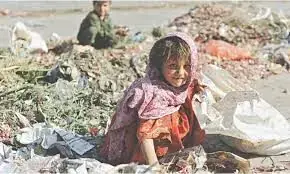
Referring to Punjab, the report said: "The incidence of poverty in the province is around 34.1 per cent, much higher than 28.2 per cent estimated in 1993-94. The urban-rural gap is significant: poverty increased more rapidly in rural areas, rising from 26.5 per cent in 1993/94 to about 37 per cent in 2001-0."
The report blames "overly centralized and inefficient bureaucracy" for the increase in poverty. Local government agencies have been incapable of delivering basic social services for a variety of reasons, including lack of proper incentives, under-staffing, corruption, inadequate capacity and lack of participation by the beneficiaries.
The report believes that poverty has increased due to poor performance of the government agencies as well as lack of resources. Generally, the government of Punjab is short of resources in relation to its large socio-economic needs.
"At the moment the fiscal structure in Pakistan is heavily skewed in favour of the government, with provinces and local governments both heavily reliant on fiscal transfers from the government."
Nevertheless, the report acknowledges that the government of Pakistan has been pursuing an ambitious reform agenda over the past four years aimed at putting the economy on a stronger and more stable footing.
With the rescheduling of external debt and a more proactive debt management strategy in place, record levels of exports, lower interest rates, a buoyant stock market, and a continued policy of privatization, gross domestic product (GDP) has been increasing and estimated at about 6.4 per cent in 2003-04 and projected to rise to 6.6 per cent during 2004-05.
The high growth has been accompanied by relatively stable prices, lower debt service payments, manageable fiscal deficits, external account surplus, and unprecedented high levels of foreign exchange reserves. "However despite these positive development, investment activity has been sluggish due to excess capacities and cautious behaviour of investors," the report added.
With the recent improvements in regional, political and business environments, officials are now optimistic that investments will increase. "Baring any major reversal and political and international upheavals, Pakistan's economy is poised for high economic growth in the coming years," the report predicted.