0
0

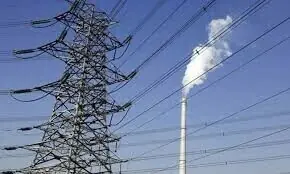
RAWALPINDI, Jan 2: About fifteen textile mills in Rawalpindi division are facing closure due to shortage of electricity and gas and local industrialists worry about “a total collapse” if the energy crisis is not solved quickly.
Some textile mills are surviving on power generated by themselves but the unscheduled energy outages have made the future of the great majority of them uncertain.
Industry sources said that while the textile mills elsewhere in Punjab have been told by the Sui Northern Gas Pipelines when the gas supply would be shutdown, no such schedule had been provided to the mills operating in Rawalpindi division.
They were also concerned that the latest increase in gas price by the government would deepen the crisis and the threat of closures.
Mian Habibullah, President of the Textile Mills Association and a former chairman of Export Promotion Bureau, told Dawn that gas and electricity crises had increased the debt of non-performing textile mills to Rs350 billion and soured relations between the industry and the banks which are more focused on recovering old loans than granting new ones.
Loans could be obtained at four per cent mark up in 2003 and 2004 but now the mark up rate is 18 per cent, he said.
“In the given situation, it is not possible for the textile mill owners to meet their export commitments. We would lose our buyers to competitors,” he said.
Textile mills owners discussed the crisis in an emergency meeting in Rawalpindi and warned that closure of industrial units would swell the army of unemployed in the country and create a law and order situation at a time when the worldwide recession is making life difficult for the poor masses.
Mian Habibullah said the meeting reviewed the prevailing situation, particularly the threat of closure that the industry in Rawalpindi division and power looms in Faisalabad were facing.
While some worried industrialists were threatening suicide, he said the Federal Board of Revenue (FBR) was imposing new and increasing existing taxes.
According Mian Habibullah, out of the 400 textile mills in the country, 150 have already closed. And in Faisalabad alone 150,000 power looms have been shut down.
In 2003 and 2004, textile mills were sanctioned loans on four per cent mark-up, which has now been raised to around 18 per cent. This has also become an anti factor for the existence of textile industry in the country.
The Rawalpindi Chamber of Commerce and Industry has sought a meeting with Federal Minister for Commerce Makhdoom Amin Fahim. A RCCI delegation is meeting FBR Chairman Ahmad Waqar on January 6.