0
0

BEIJING, June 12: China’s broad measure of money supply rose 18.07 per cent on year in May, the central bank said on Thursday, as analysts warned the government must tighten cash flow to fight inflation.
The latest figures for the measure, M2, came days after the government announced tougher monetary policy plans to increase the amount banks must keep in reserve with the aim of curbing credit growth.
“We think China's inflation outlook hinges on the capability of the central bank to keep broad money supply growth in check,” Goldman Sachs said in a research note.
The narrow measure of money supply, M1, was up by 17.93 per cent as of the end of May from a year earlier, against 19.05 per cent at the end of April, according to the central bank.
The government's annual M2 target is 16 per cent.
M2 covers cash in circulation plus all deposits, while M1 covers cash in circulation and corporate demand deposits.
A rapidly rising money supply can fan inflation because when people and companies are flush with cash, they tend to spend it, driving up demand and therefore prices. Banks also lend more easily when they are cash-rich.
Many economists in China worry regulatory efforts to reduce the amount of cash in circulation, including reserve requirements and interest rates, have not been effective enough and that entrenched inflation is emerging.
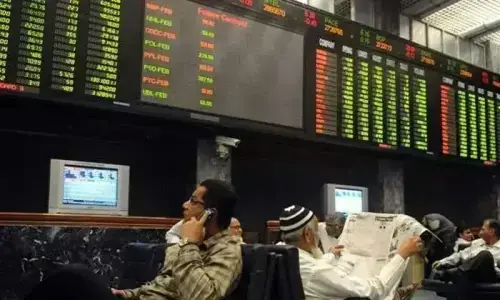
Investors saw the weekend reserve rate announcement as a red flag about the economy and responded with a massive stock market sell-off the biggest single-day percentage loss in Chinese shares prices in more than a year.
China's inflation rate was 7.7 per cent in May, easing from April’s 8.5 per cent, the government said on Thursday, but analysts cautioned that some prices had been kept artificially in check.
China's big commercial banks said the reserve ratio increase were unlikely to affect them despite more than the 420 billion yuan expected to be set aside, the state news agency Xinhua reported.—AFP