KOBE, May 24: Global warming is damaging the earth more quickly than previously forecast and rising oil prices threaten to speed the growth in greenhouse gas emissions, scientists and activists told environment ministers from industrialised nations on Saturday.
The ministers, from the Group of Eight countries, gathered in the western Japanese city of Kobe for a three-day conference dominated from the opening minutes by the battle with the worsening effects of climate change.
At a round-table discussion on Saturday afternoon, environmentalists urged quick action to stem the effects of the rise in world temperatures, which scientists say threaten to drive species to extinction, worsen floods and droughts, and thwart economic development.
The rapid melting of the Arctic ice, increasing crop damage and other problems show the multiplying effects of higher temperatures, said Bill Hare of the Potsdam Institute for Climate Impact Research.
Summer sea ice in the Arctic, for instance, shrank to a record low last year --- nearly 40 per cent less than the long-term average between 1979 and 2000.
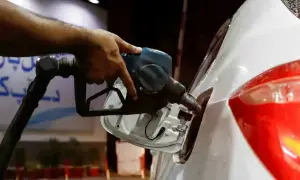
Hare also warned that rising oil prices could speed that even further. Light, sweet crude for July delivery rose by $1.38 to settle at $132.19 a barrel on the New York Mercantile Exchange on Friday. The expense encourages the use of cheaper coal --- a much dirtier fuel.
“The recent developments in the energy sector, particularly high oil prices and coal-intensive development ... are pointing towards the risk of higher emissions,” Hare told ministers from G8 and observing nations.
“(It’s) too early to say if this is an entrenched change in the pattern ... but (it’s) certainly a risk factor,” he said.
The sessions take place in the midst of UN-led talks to conclude an international pact by December 2009 to combat global warming. The pact is aimed at succeeding the Kyoto Protocol, a climate change agreement whose first phase expires at the end of 2012.
The UN process, however, has moved slowly, with nations clashing over how ambitious the world should be in stemming the rising temperatures, how reduction targets should be set, and how much rapidly developing nations such as China should be called on to rein in emissions of greenhouse gases.
Yvo de Boer, the UN climate chief, told the Associated Press on the sidelines of the meeting that the environment ministers should set the stage for decisive movement on climate change at the G8 summit in Japan in July.—AP