0
0

KARACHI, Nov 4: The international symposium on Sindh coal (lignite) held here recently has called upon the relevant authorities to realise that development of coal energy was in the larger interest of the entire country and not Sindh alone, reminding them that Sindh had already surplus power resources.
In its recommendations released here on Sunday, the moot urged the authorities to reassure policies, identify gaps and find solutions regarding the development of indigenous resources of energy and coal.
Pointing out that mining of Thar coal was feasible, it stressed that mining should be taken up on war-footing by choosing most economical and technically viable methods.
It called for declaring realistic and flexible upfront tariff for coal-based power projects on original coal explored in different coal fields. The general concuss for Thar coal tariff is for 9-10 cents.
The moot emphasised upon implementation without delay of the decision taken at the meeting chaired by President Gen Pervez Musharraf on July 20 on Thar Coal and calling upon the energy adviser to determine the upfront tariff for lignite-based power projects and prepare a schedule of tariff for power projects of different sizes.
It recommended reconstitution and empowerment of the technical committee of the Task Force on Thar Coal.
The symposium observed that among other technical hindrances, the issue of tentative tariff was main impediment in the use of Thar Coal for energy.
It recommended that PPIB should allow Sindh province to issue licences for setting up power plants up to 200 megawatts instead of 50 megawatts, which was not viable for coal-based projects.
Representatives of FPCCI recommended that tariff on coal be based on affordability, profitability, transparency and least dependency and that the stake-holders, Wapda and KESC, should provide guarantees to buy coal-based energy.
The symposium called for taking up detailed exploration work for greater resources of Thar to have a complete picture of underground resources, rechargability of aquifer and sustainability of underground water.It called upon the federal and Sindh governments to facilitate mining process.
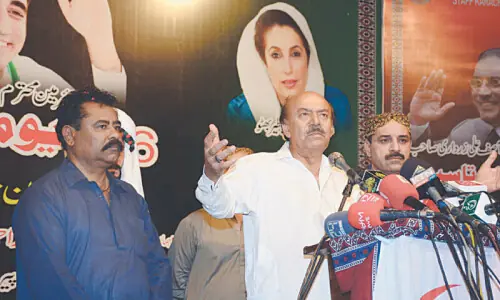
The symposium was inaugurated by Sindh Chief Minister Dr Arbab Ghulam Rahim. Delegates presented their papers at five technical sessions and made 22 presentations.
At the inaugural session, Dr Ing Gotz Justus from Germany stated that coal deposits in Asia appeared to be the largest and were estimated at 175 billion metric tons. He termed it better than the lignite deposits in Germany and many other countries of the world where it was being used for power generation.
The speakers had highlighted some issues such as necessary infrastructure, proper technology, transportation, availability of water as the factors contributing to the failure to exploit the Thar coal deposits.—APP