OKARA, April 12: The Okara district has been ranked third in Punjab in respect of punctuality of teachers. The situation has worsened despite the fact that 40 education officers have been assigned the task to monitor the performance of some 15,000 teachers of 1,000 primary, middle and high schools across the district. Okara and Deepalpur are two tehsils of the district.
The executive district officer (education) heads the district and both tehsils. The district education officers elementary (male and female) assist the EDO (education) in each tehsil. They have also got the services of two deputy education officers (DEOs) (male and female) in two tehsils.
Similarly, one district education officer (secondary) deals with the affairs of all the high schools (male and female) across the district.
In all, there are 13 assistant education officers (AEOs) in the district, seven in Okara and six in Deepalpur, assisting the DEOs (male, female) in Okara and Deepalpur tehsils.
In addition, the executive district officer (literacy) has been fully authorized to check all the schools in the district.
To achieve the target of the chief minister’s Para Likha Punjab, the education department had recruited one district monitoring officer (DMD) and two tehsil monitoring officers for a two-year contract. The DMO has further engaged 28 mobilizers for a three-year contract.
All these education administrators have been facilitated with cars, jeeps and motorcycles to have an easy access to schools for monitoring teachers throughout the district.
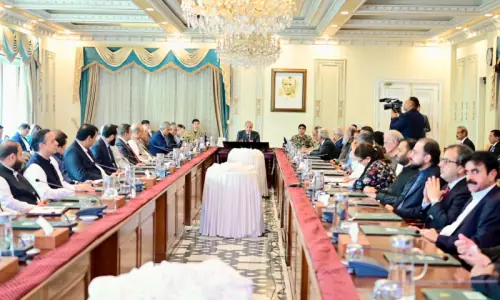
It was learnt that district coordination officer Chaudhry Muhammad Aslam Kamboh in a meeting expressed his dissatisfaction over the frequent absence of teachers from the duty.
The DCO also warned education officials of strict action if they failed to look up their performance.
A number of teachers claim that education officials only rely on checking the arrival of teachers in schools.
They said that the monitoring teams did not focus on the genuine needs of schools as most of institutions in rural areas lacked basic facilities, including proper buildings, boundary walls, electricity, drinking water and watchmen.