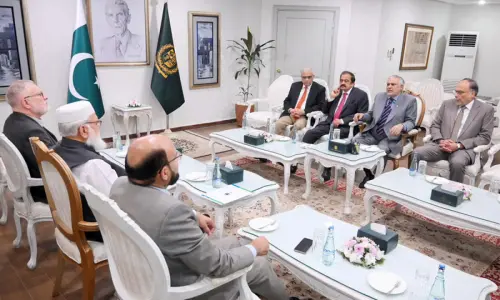
THE parliamentary committee on electoral reform, which is being constituted by the National Assembly Speaker, sounds promising. But the public has watched this exercise many times before. None has delivered a credible election. Therefore, the legislators must ask why the laws already on the books keep failing before they start redrafting new statutes.
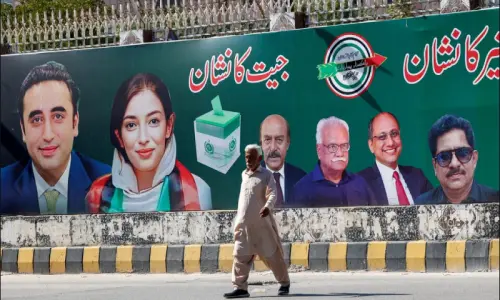
Pakistan’s current electoral framework appears to be sound. The Election Commission of Pakistan enjoys constitutional protection, financial autonomy, and a bipartisan process for appointing its leadership. Yet both the 2018 and 2024 general elections ended in bitter disputes over the credibility and transparency of results.
Neither the government nor the opposition has made a serious effort to initiate consultations on a replacement for the current chief election commissioner whose tenure ended nearly two years ago.
The real problem is the gulf between the statute book and what happens on polling day, not the laws. Legitimacy depends on consistent enforcement, genuine institutional independence, and a shared willingness to respect the rules.
Nevertheless, the committee can still close several gaps in the current legislation.
First, provinces routinely delay local government elections for years, citing the need to amend local laws. This stops the ECP from discharging its constitutional duty when the term of an elected LG expires. Parliament should bar provincial governments from altering local election laws once a council completes its tenure, so that the ECP can hold polls within the constitutional time frame.
Second, campaign finance rules are full of loopholes. Under the Elections Act, 2017, candidates can dodge spending limits by claiming that third-party expenditure was not authorised by their campaigns. Spending limits mean little if a candidate can disown whoever spends on their behalf. If money is spent to advance a candidate’s campaign, the candidate should answer for it.
Third, financial scrutiny must be extended to foreign funding to both parties and individual candidates routed through affiliated non-profits and offshore accounts for the sake of transparency.
Last but not least, the caretaker government model needs an overhaul. Letting political parties haggle over nominees does not guarantee neutrality, which must be tested against the record of those appointed. The law should have clearer safeguards against conflicts of interest and political bias among caretaker officeholders, so that transitions are not open to partisan interference.
These fixes are worth making. But they will count for little if meddling in polls and selective enforcement continue to be unchecked.
Domestic and international observers raised serious concerns about the 2024 results process. Until parliament deals with the interference that feeds public distrust, further amendments will change very little.
The country does not need a new rulebook. It needs institutions and actors who follow the one it already has.
Published in Dawn, November 4th, 2026