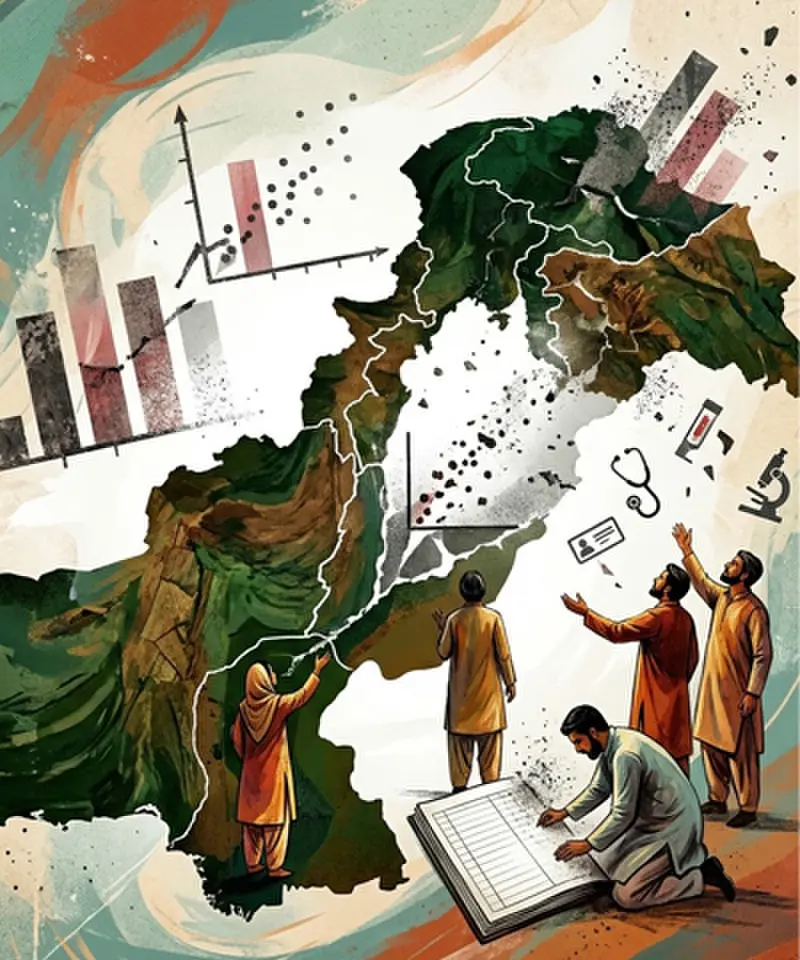
PAKISTAN, the world’s fifth most populous country with over 250 million people, faces a heavy burden of disease and mortality. Yet, its health information system remains fragmented and limited. While public hospitals are digitally connected, private clinics, diagnostic centres and telemedicine platforms operate in isolation, leaving major gaps in national data. The absence of centralised registries for chronic illnesses, such as cardiovascular disease, diabetes, stroke and thalassemia, along with poor tracking of neurological, psychological and substance-use disorders, further weakens surveillance.
A striking example of this deficiency is the exclusion of non-communicable diseases from key national surveys. Despite the rising prevalence of diabetes and heart disease, tools like the Pakistan Demographic and Health Survey (PDHS) and the Pakistan Social and Living Standards Measurement (PSLM) survey remain focused on maternal-child health, vaccinations and infectious diseases. This imbalance deprives policymakers of any reliable, representative data on hypertension, mental health and cardiovascular conditions, undermining provincial budgets and preventive health strategies.
To address these challenges, Pakistan must modernise its health information infrastructure by standardising data collection, integrating public and private healthcare providers, as well as expanding disease surveillance. Without accurate and accessible data, healthcare systems struggle. Robust information is essential for evidence-based policymaking, fair allocation and stronger preventive care.
Irfan Haider
Sargodha
Published in Dawn, November 3rd, 2026