Sindh growers’ body fears acute water shortage in winter
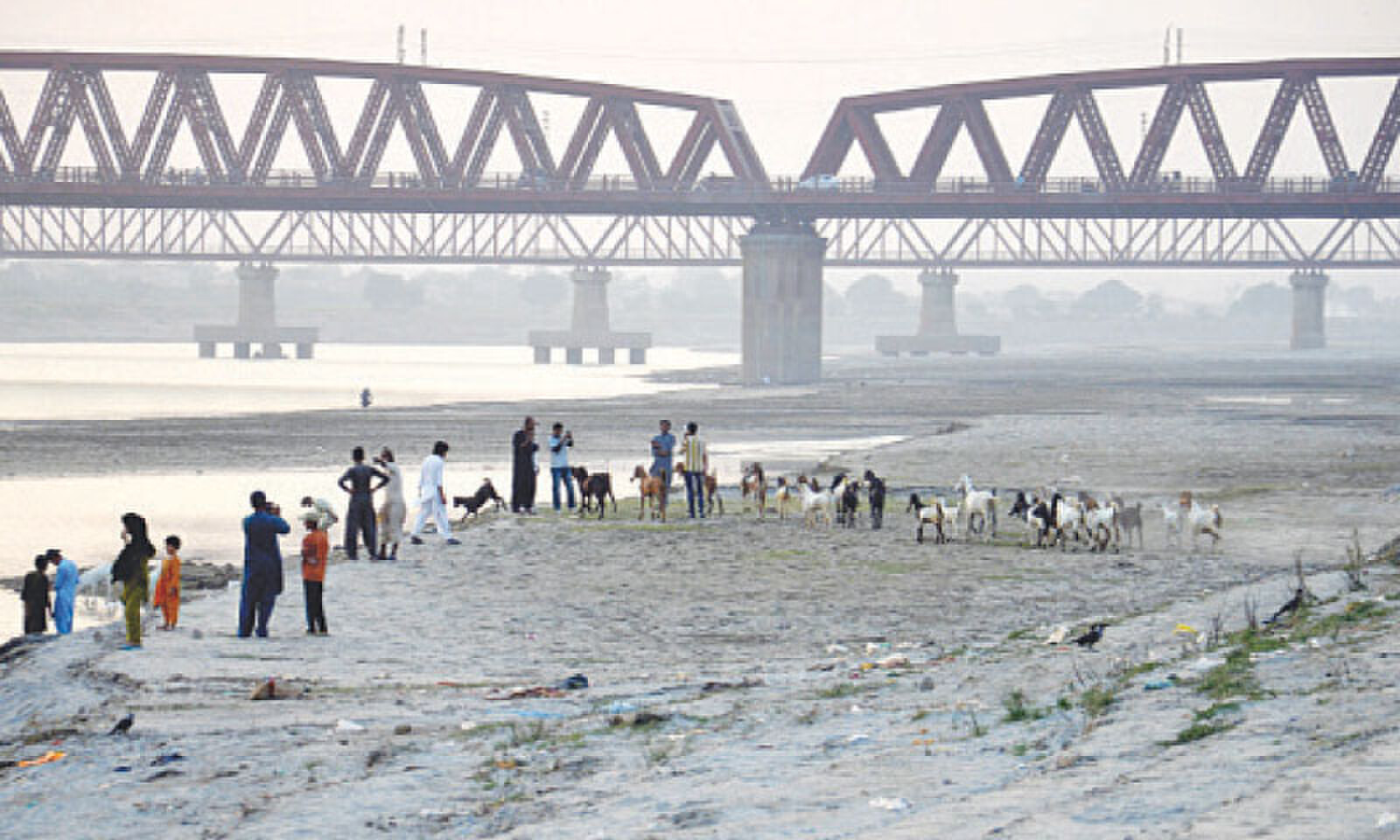
LARKANA: The Sindh Chamber of Agriculture (SCA), Larkana chapter, has expressed its apprehension that the province would face a severe shortage of irrigation water this winter due to the ongoing repair work of the Sukkur Barrage.
It warned that the shortfall could badly hit the sowing of wheat crop.
SCA Larkana division president Syed Siraj Aulia Rashdi, presiding over a meeting of the chamber here on Sunday, reviewed the situation and expressed his concern over it.
The meeting discussed the problems currently being faced by growers of wheat, sugar cane, cotton and rice. It noted a steady rise in the cost of agricultural inputs, crops’ support prices, government-offered subsidies and the economic hardship confronting the growers.
In the areas where tube wells cannot provide freshwater, cultivation of some alternative crops, like mustard, should be encouraged, the participants suggested.
The chamber urged the Sindh government to provide growers with certified, high-quality mustard seed, along with special support and incentives for its cultivation. This, it said, would move the country toward self-sufficiency in edible oil production, besides increasing farmers’ income.
Regarding the wheat crop, the meeting called for a fair support price matching the increase in the production cost, including expensive fertiliser, seed, diesel, electricity and other farm inputs. It also called for transparency and timely payments against government’s procurement so that farmers could receive fair returns.
Discussing the issues facing cane growers, the meeting demanded that sugar mills should start the cane crushing season on time, immediately implement the notified cane price and make prompt payments to growers’ dues.
Expressing its concern over the difficulties faced by rice growers, the meeting called for effective official measures to ensure reasonable and stable market prices for paddy, so that farmers do not suffer losses while selling their produce.
The participants called for subsidies on fertilisers, particularly DAP and urea, electricity for tube wells and pesticides. These subsidies must reach genuinely deserving and small growers directly, they stressed.
They also demanded that the procedure for the Benazir Hari Card should be made simple, transparent and broader in reach, so that more farmers could benefit from the scheme.
Stressing that Pakistan’s economy depends fundamentally on agriculture, the participants said the government must prioritise farmer-friendly policies to pull the sector out of the crisis; ensure food security; and strengthen the rural economy.
The Sindh Chamber of Agriculture urged the government to take the concerns of agriculture sector and growers seriously by acting on an urgent basis.
Published in Dawn, November 2nd, 2026