Power bills and data centres cast rare spotlight on utilities in US midterms
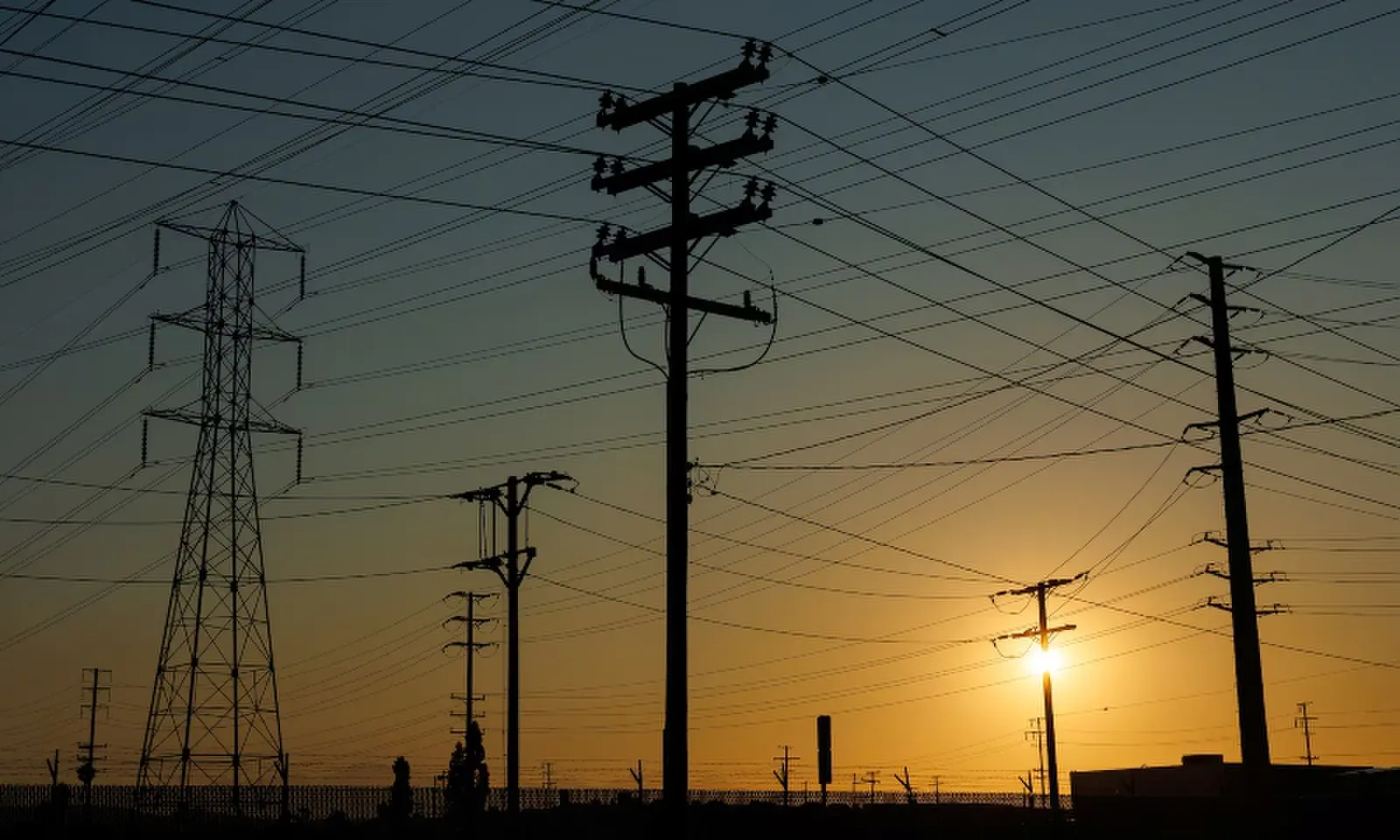
US electricity prices had flown under the radar in past national elections, but they have become a major political issue in this year’s midterms as Americans grow angry over rising utility bills and deals for power-hungry data centres.
Nationwide, according to Energy Information Administration data, electricity prices for homes have risen more than 10 per cent since 2024, when President Donald Trump was elected along with Republican majorities in both houses of the US Congress.
Higher electricity prices have outpaced the rise in costs for other goods and services. Power bills have grown even faster in political battleground states of Ohio, Michigan and Pennsylvania, which are also hot spots for new data centres. In some cases, electricity bills have soared by triple the inflation rate.
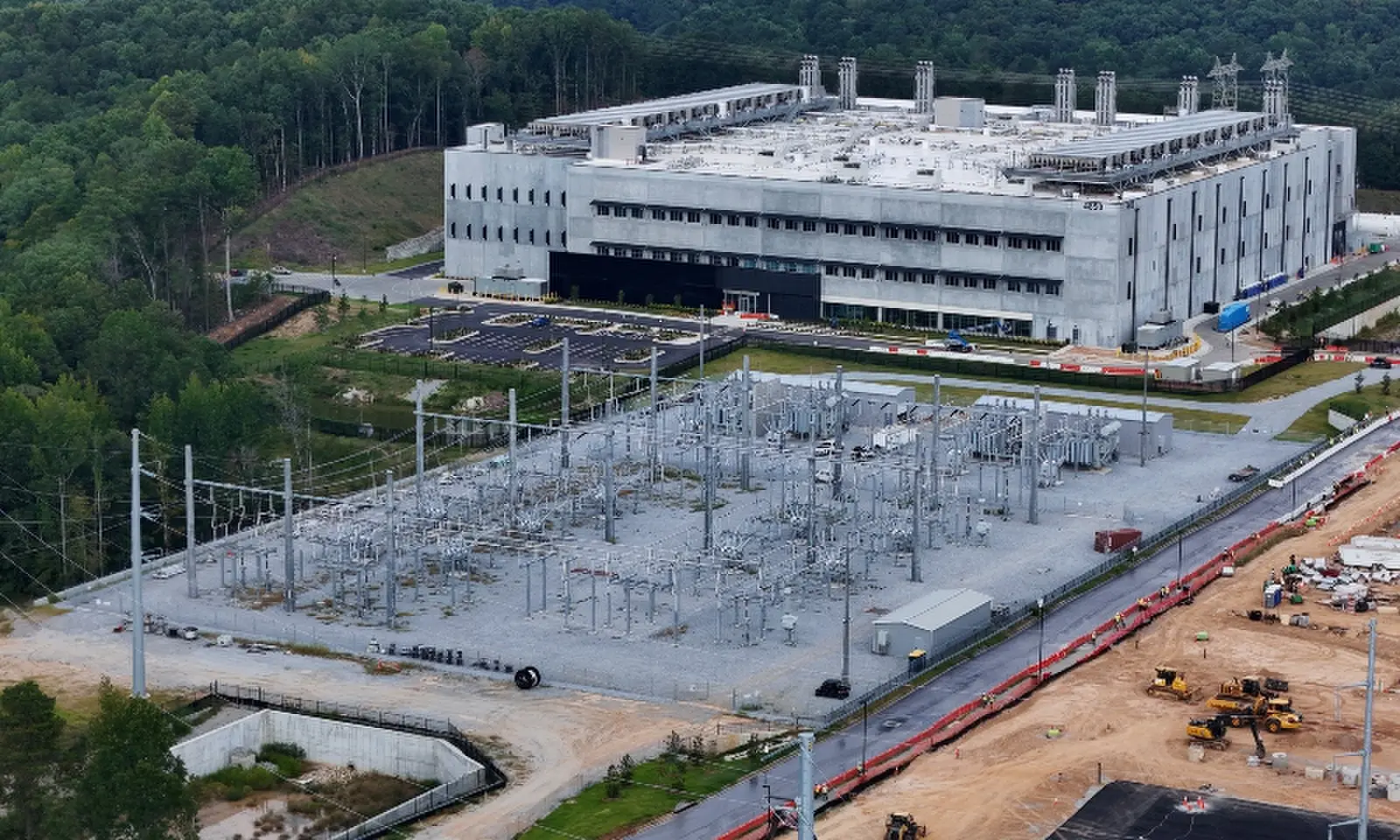
Many politicians vying for top statehouse seats across the country this year have backed cracking down on utilities. Some have proposed freezing utility rate increases and slashing guaranteed returns, steps that could have sweeping consequences for the country’s utility industry.
“It could be the first election to feature utilities and electricity, specifically, as a prominent issue in the midterms,” said Charles Hua, executive director of PowerLines, a nonprofit that advocates reforming utility policy to favour consumers. “Part of that is because people’s utility bills have gone up and up, and they don’t see any end in sight.”
Utilities are heavily regulated. State regulators generally must approve utilities’ requests to spend on the grid and to recover those costs through rate increases. Regulators also set the return on equity utilities can earn on their grid investments.
This year, utilities are on track to match last year’s record high $31 billion in rate increase requests to regulators, a PowerLines survey showed. Last year’s spending was double the previous record.
The investor-owned companies are also expected to carry out a record of nearly $1.3 trillion in capital spending over the next five years, according to an analysis by S&P Globals Regulatory Research Associates.
Utilities spotlighted
Seats on nine state public utility commissions are up for election this year, nearly all the US states where voters elect their utility regulators. These include burgeoning data center hubs Arizona and Georgia.
Governors will be chosen in 36 US states this year, and governors appoint utility regulators in states where commissioners are not directly elected.
In Ohio, Democrat Amy Acton has promised to lower energy bills if she is elected governor. Her campaign said she will also appoint a public utilities commission that was “not beholden to utility companies” and work with the state attorney general to crack down on “excessive rate hikes and predatory practices.”
Ohio’s residential electricity bills have grown by more than 20pc over the last two years, according to EIA data.
Acton has also said she supports a data centre moratorium. Her Republican opponent Vivek Ramaswamy said he would assure Ohioans living near data centres would not pay electricity bills at all.
Bully pulpit
Some governors who are up for reelection have used their political weight to pressure the power industry to keep prices down.
In April, Pennsylvania Governor Josh Shapiro announced that the prominent PECO Energy Company had acceded to his demand that it withdraw its proposal with state regulators to increase rates. Shapiro, a Democrat running for reelection, said the move would reduce future utility bills by as much as $34 a month.
He followed up with a letter to more utility chief executives seeking changes in how utilities justify spending and returns on equity.
“The governors are using this crisis on energy affordability as an opportunity to take a deeper dive into the utility regulatory model and see if it makes any sense,” said Jamie Van Nostrand, senior fellow at the Kleinman Centre for Energy Policy at the University of Pennsylvania and former chair of the Massachusetts Department of Public Utilities.
Power bills tracked low inflation for roughly a decade, and were not an issue in most mainstream elections until last year, when Mikie Sherrill successfully ran for New Jersey governor on the promise of freezing utility bills. She did so the same day she took office.
In Virginia, home to the largest concentration of data centres in the world, Governor Abigail Spanberger took a similar approach, which industry analysts said could offer a playbook for those who win this year’s elections.
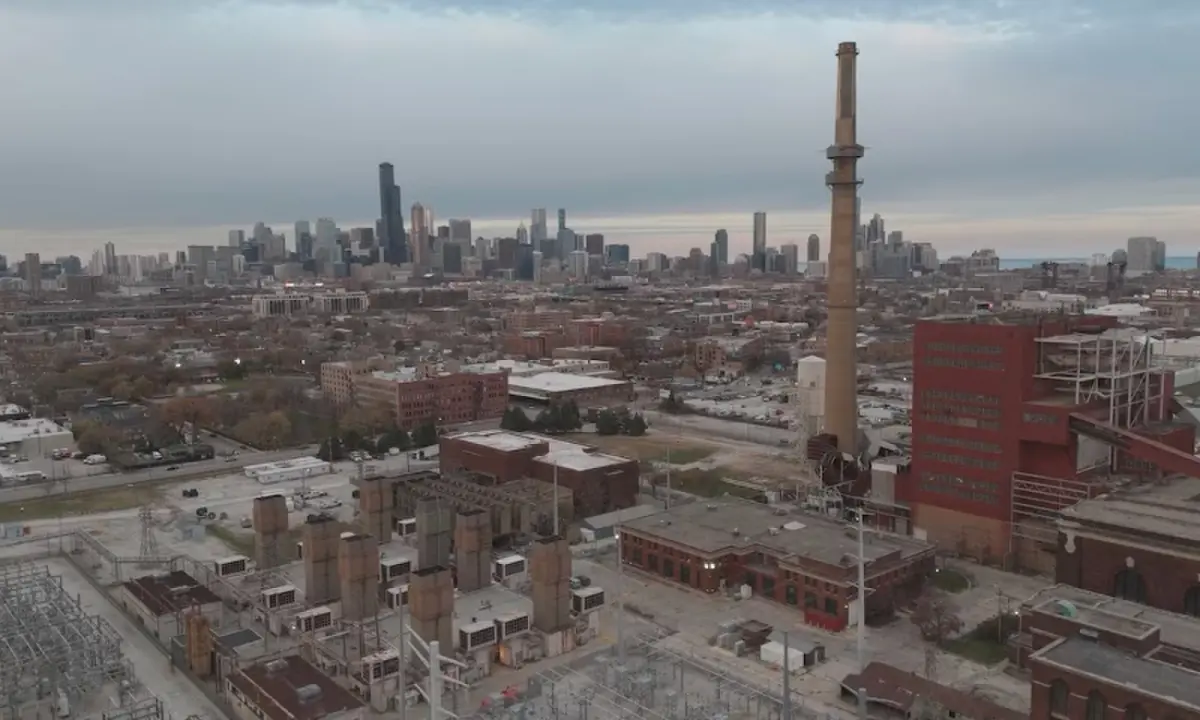
Utility advocates say reducing guaranteed returns and freezing rates will not make a meaningful difference in household bills but could lead to a long-term reduction of investments in the grid.
“The grid is America’s greatest machine, and it doesn’t operate on the political calendar, said Drew Maloney, president of Edison Electric Institute, a trade organisation for investor-owned electric utilities. “It requires consistent investment every year to deliver reliable energy to our customers.”
Credit rating agency Fitch downgraded the North American utility sector to “deteriorating” from “neutral” in June, citing political pressure in the midterms to limit electricity bills and utility profits.
For an industry that plans in decades, it is hard to predict the result of short-term political moves aimed at saving money for households.
“I do think the real meat will come after the election,” Hua said.