Trump at odds with reports of Vance’s letter to Iran
• President says outreach focused on medical supplies, not peace talks
• Tehran confirms receiving vice president’s letter, no response yet
• US media claims correspondence sought to avert new strikes
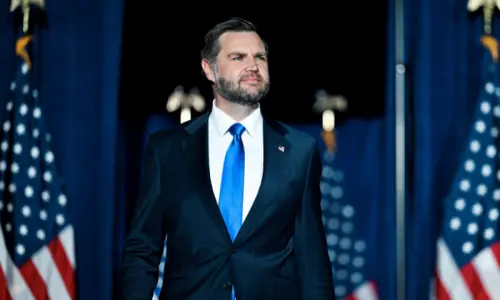
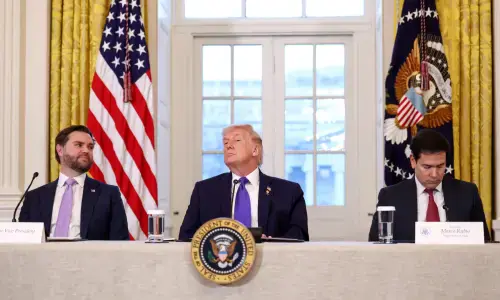
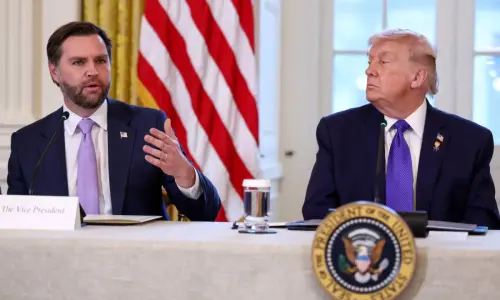
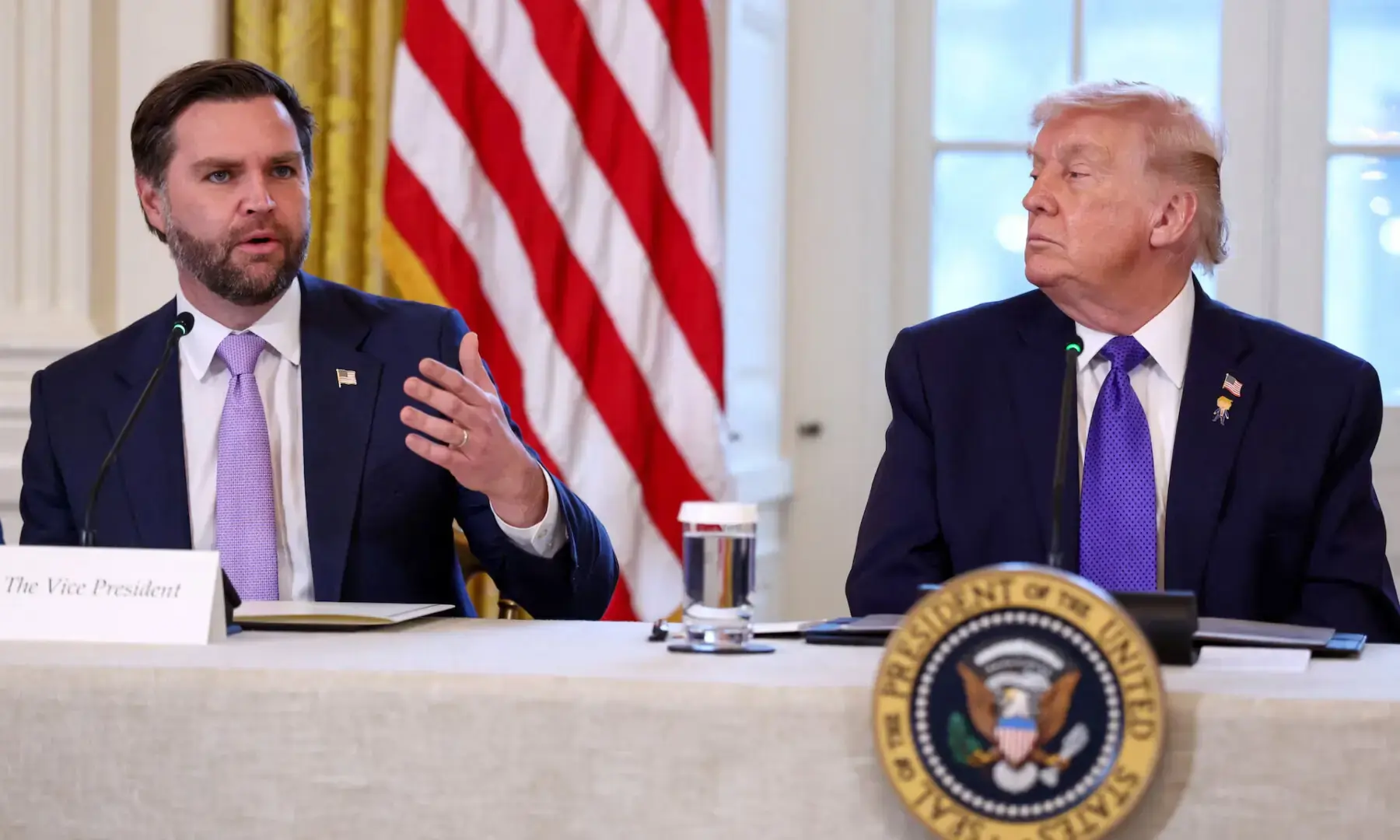
TEHRAN: Iranian media reported on Thursday that Tehran had received a letter from US Vice President JD Vance but had not yet responded, amid efforts to revive peace talks between the countries, though President Donald Trump said the outreach was about helping the country get medical supplies.
Iran’s semi-official Tasnim news agency reported that “Iran has received the letter, but has not yet responded,” while the Fars news agency carried a similar account, citing “a source familiar with the matter.”
The Wall Street Journal and The New York Times reported on Wednesday, citing US officials and people familiar with the matter, that Vance had sent the letter to Iranian Security Council chief Mohsen Rezaei at Trump’s direction in a bid to revive peace negotiations and avert new US strikes.
The letter and subsequent contact between US and Iranian officials focused on a possible framework for negotiations rather than specific terms for a peace deal, the Journal reported.
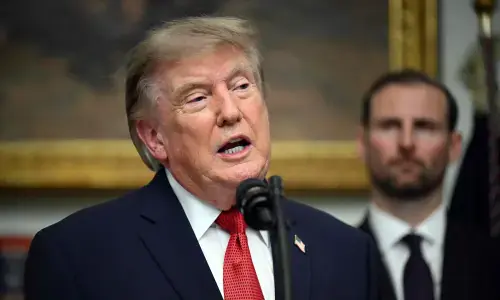
When asked by reporters later on Wednesday if he directed Vance to reach out to Iran to restart peace negotiations, Trump said, “No”.
“What that is is they need help with medical supplies and various things. He asked me what I thought. I said, if you want to do that, that’s OK. Basically, it’s getting supplies in to help people that are not well,” Trump told reporters.
Iran’s mission to the United Nations in New York and Vance’s office did not immediately respond to requests for comment on the letter and Trump’s remark.
The reported correspondence comes as diplomatic efforts to end the war have yet to produce a lasting agreement.
On Wednesday, Iranian Foreign Minister Abbas Araghchi said Tehran was discussing a plan with mediators, mainly Qatar and Pakistan, to end the war and reopen the Strait of Hormuz, a waterway that normally carries about one-fifth of global oil consumption.
Qatari mediators presented Iran with a new draft deal Sunday to end the war, but a senior Iranian official said Doha had only put forward unacceptable ideas that did not amount to an offer.
Tehran insists that Washington meet seven conditions it has set for reopening the strait. The conditions include a ceasefire across the Middle East, the unfreezing of Iranian assets abroad, the lifting of sanctions on its oil sector and an end to the US naval blockade.
Tasnim reported that “any position that undermines this firm framework established by Iran is unacceptable”.
The war began Feb 28 with US-Israeli strikes on Iran that assassinated former Supreme Leader Ayatollah Ali Khamenei and senior military commanders. Iran retaliated with attacks on Israel and US assets in the region, while the US imposed a naval blockade on Iranian ports to starve it of oil export revenue.
Iran has long blamed US sanctions for hindering civilian access to medical supplies.
Published in Dawn, October 30th, 2026