Pakistan, China open green channel for trade
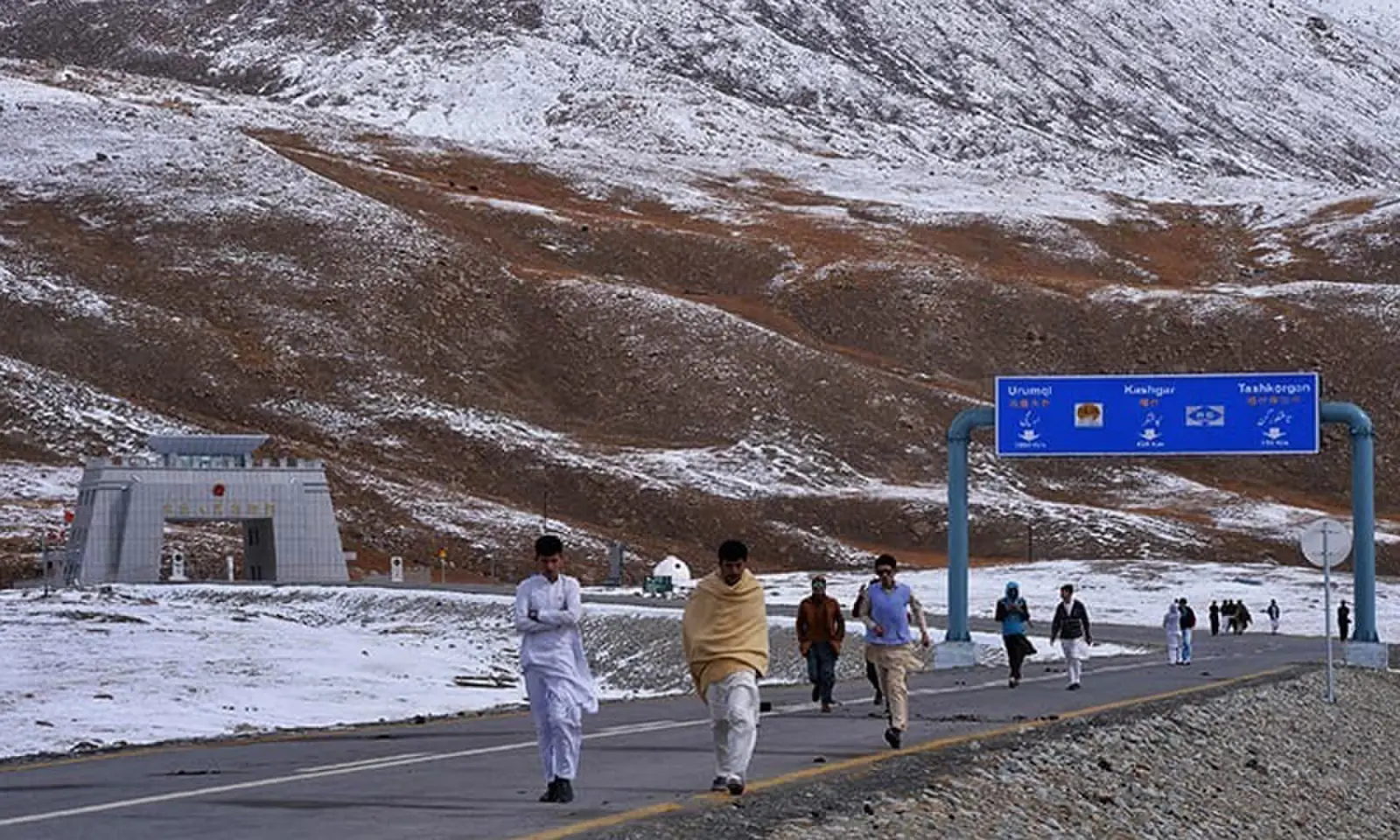
ISLAMABAD: Pakistan and China have signed an agreement to operationalise a green channel at the Sost-Khunjerab border for agricultural and allied products to facilitate bilateral trade.
The agreement was signed online on Thursday at the Federal Board of Revenue (FBR) by the customs administrations of both countries. The Pakistani delegation was led by Member Customs (Operations) Syed Shakeel Shah, while the Chinese delegation was led by Li Qinghua, deputy head of Urumqi Customs and director of Tashkurgan Customs.
According to an official announcement, the agreement aims to establish a green channel for an agreed list of agricultural products, allowing eligible consignments to undergo priority processing and examination while maintaining risk-based customs controls.
The arrangement also provides for enhanced information sharing and the exchange of risk alerts between the two customs administrations to strengthen coordination and improve cross-border trade management.
Sost-Khunjerab pact to fast-track clearance of agricultural goods
The agreement also provides for enhanced information and risk alert exchange between the two cus-toms administrations to strengthen coordination and improve cross-border trade management.
It further envisages priority handling of perishable consignments to minimise delays and ensure their timely movement across the border.
The Pakistani delegation also included the chief collector of customs, Peshawar; the collector of customs, Gilgit-Baltistan; representatives of the Department of Plant Protection, NAFSA, Pakistan Single Window and the Ministry of Commerce; and the commercial counsellor at the Pakistan Embassy in China.
The green channel is expected to improve agricultural trade efficiency and strengthen customs cooperation between the two countries.
The Khunjerab Pass connects Gilgit-Baltistan with China’s Xinjiang region and is the highest paved international border at 15,500 feet above sea level. Under the border protocol agreement the two countries signed in 1985, the pass remains open for travel and trade between April and November. In winter, trade and travel are hampered by excessive snowfall.
Last year, Pakistan Customs collected Rs15 billion in revenue on imports from China through the Khunjerab Pass, breaking the previous record. Goods worth Rs2.8bn were also exported to China and Central Asian countries through the border crossing.
Published in Dawn, October 30th, 2026