Health authorities dismiss reports of insulin shortage, cite unavailability of one brand
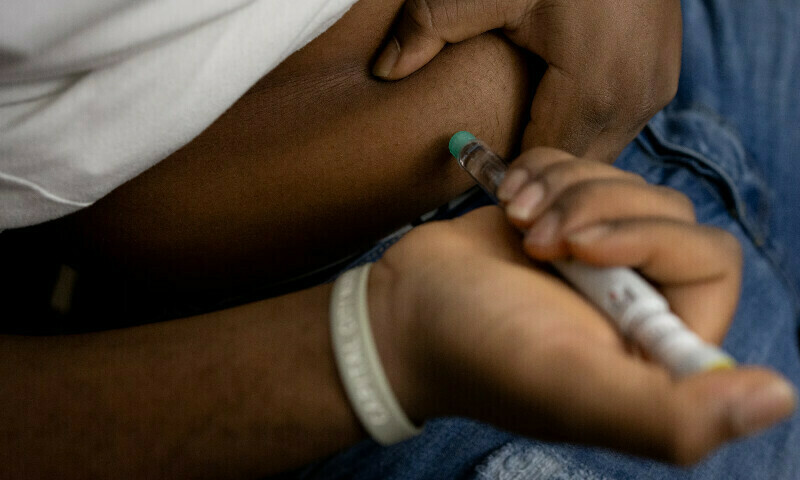
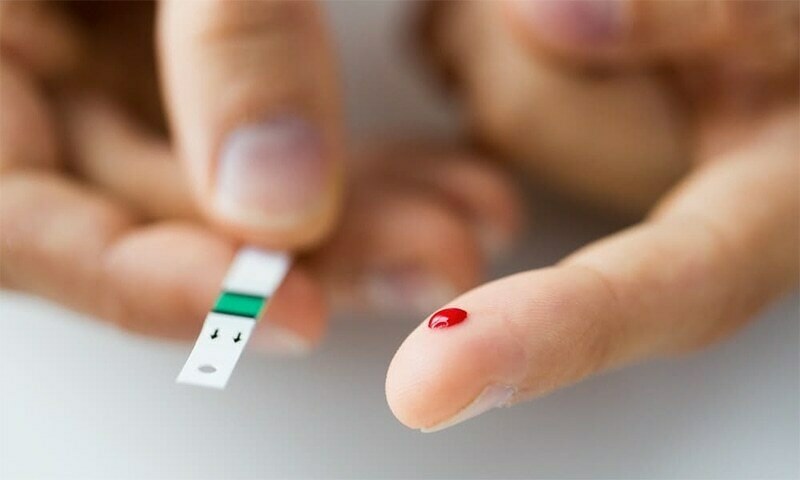
ISLAMABAD: Authorities on Tuesday denied reports of a widespread insulin shortage in the country, saying that only one brand was unavailable due to international supply constraints.
The clarification came after reports of a shortage across Pakistan emerged on social media.
The health ministry and the Drug Regulatory Authority of Pakistan (Drap) maintained that alternatives for the unavailable brand remained available in the market.
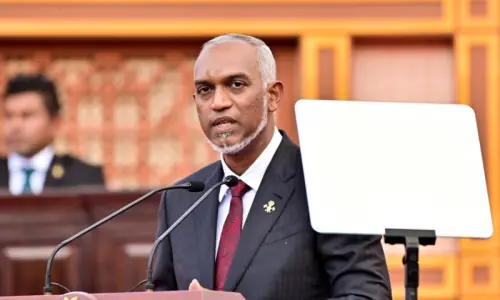
“Insulin glulisine (Apidra, Sanofi) is currently unavailable due to international supply constraints. Alternate rapid-acting analogues within the same pharmacological class, specifically insulin aspart (NovoRapid, Novo Nordisk) and insulin lispro (Humalog, Eli Lilly), are readily available nationwide,” ministry spokesperson Sajid Shah said.
“All other primary insulin classes remain fully accessible across Pakistan,” he added.
He explained that insulin analogues — one of the two categories of medically approved insulin — include rapid-acting, long-acting and premixed formulations. The other category, human insulin, includes short-acting and intermediate-acting formulations.
The spokesperson added that patients who have been prescribed Apidra “should consult their attending healthcare provider prior to modifying their regimen”.
“Any transition to an alternative insulin formulation requires precise dose titration and tailored monitoring to maintain optimal glycaemic control,” he said.
In August 2025, the Pakistan Medical Association (PMA) raised alarm over “an unprecedented” and severe shortage of essential medicines across the country and warned that the crisis threatened the lives of millions of patients.
According to the association, at least 80 important medicines were unavailable, with 25 having no substitutes. These drugs included life-saving medications for diabetes, cancer, Alzheimer’s, Parkinson’s, heart disease and psychiatric disorders.
In March 2026, PMA cautioned about the severe shortage of essential paediatric tuberculosis (TB) as well as cancer medications, warning that the humanitarian crisis was getting worse with each passing day, while calling for immediate intervention.