QUETTA: Representatives of the Balochi, Pashto, Brahvi and Hazaragi academies have strongly opposed the proposed Balochistan Regional Languages Academies and Literary Societies Bill, 2026, warning that its passage in the present form could undermine the autonomy of literary institutions and place their affairs under bureaucratic control.
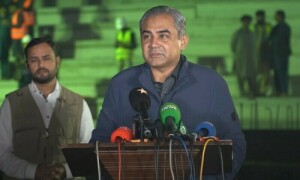
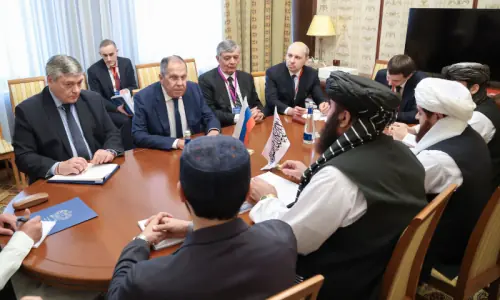
At a joint press conference on Sunday, representatives of the four academies expressed serious reservations over the proposed legislation, saying it had been placed on the agenda of the Balochistan Assembly for Tuesday without prior consultation with literary institutions, scholars and other stakeholders representing the province’s regional languages.
Describing the move as contrary to democratic principles, they said legislation directly affecting public interests, cultural heritage and the future of regional languages should not be rushed through without comprehensive debate and meaningful consultation with the concerned communities.
The representatives also raised concerns over the government’s reported intention, according to the assembly agenda, to seek exemption from the requirements of Articles 84 and 85 in connection with the bill. They warned that the proposed exemption could bypass scrutiny by the relevant standing committee and limit parliamentary discussion of the legislation’s financial implications, raising questions about transparency and due legislative process.
Note govt move may place academies’ affairs under bureaucratic control
The academies are currently registered as autonomous bodies under the Balochistan Charities Act, 2019. Although they receive government grants-in-aid, they retain independence in managing their administrative, literary and creative affairs.
The heads of the academies said Clause 12, titled “Overriding Effect”, of the proposed bill conflicts with the existing legal framework and could weaken the institutions’ autonomy. They warned that the provision could pave the way for increased government control over their internal operations and literary activities.
Under the proposed arrangement, they said, key administrative and creative decisions — including approval of publications, compensation for authors and the launch of literary initiatives — would come under the authority of an official committee headed by the provincial secretary for culture.
Questioning the suitability of bureaucratic officials to oversee literary matters, the representatives stressed that decisions concerning language, literature and cultural expression should rest with scholars, writers and experts proficient in the respective regional languages.
They further argued that the proposed legislation contained structural shortcomings that could impede, rather than facilitate, the promotion and development of Balochistan’s diverse linguistic and literary traditions.
The representatives demanded that the government immediately halt the bill’s passage and refer it to the standing committee on education. Such a referral, they said, would provide literary institutions and relevant experts with a fair opportunity to present their concerns, propose amendments and participate in the legislative process.
They warned that if the bill was passed in its present form, the academies would challenge the government’s move in a court of law.
Published in Dawn, October 19th, 2026