Sindh govt to amend witness protection law 13 years after enactment, Sindh High Court told
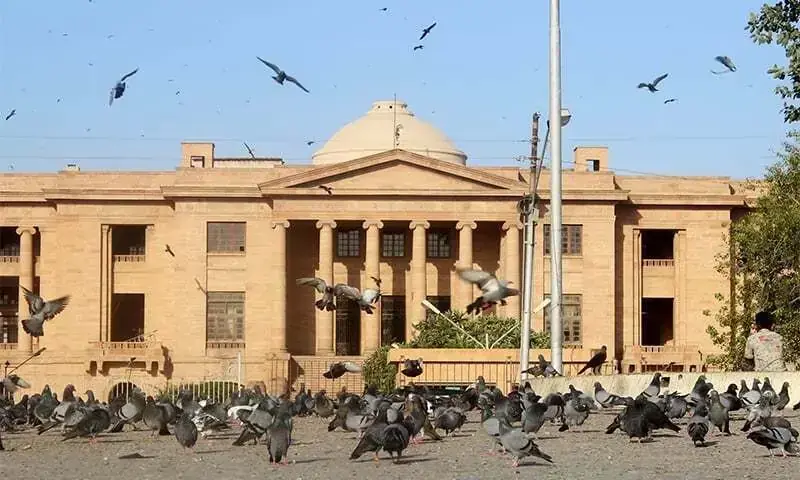
KARACHI:Around 13 years after its enactment, the Sindh government is going to amend its witness protection law in line with “best international practices”.
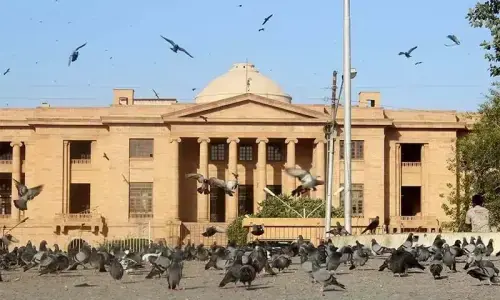
The information was submitted before the Sindh High Court, which was hearing a petition regarding the non-framing of rules to implement the Sindh Witness Protection Act, 2013.
The petition was filed in 2023 seeking proper implementation of the law and since then the SHC has been issuing directives and expressing serious resentment against the authorities concerned over an inordinate delay in taking necessary steps for proper implementation of the law enacted around 13 years ago.
At the last hearing, the SHC had expressed resentment against the non-implementation of the law despite lapse of more than a considerable period and summoned the secretaries of home and law departments.
Rules to implement Sindh Witness Protection Act, 2013 will be framed after law tweaks, officials tell bench
At the outset of the hearing, Law Secretary Saeed Ahmed Shaikh and Additional Home Secretary Javed Ahmed Abro filed a statement/compliance report.
They stated that the statutory machinery envisaged under the law had already been established and was made functional including constitution of the witness protection advisory board, witness protection unit and establishment of a committee to assist the unit.
The statement also maintained that the witness protection officers had also been notified in all districts of the province and the witness protection unit had remained functional and extending protection as well as assistance in all matters where applications or court orders had been made.
A two-judge constitutional bench of the SHC headed by Justice Yousuf Ali Sayeed in its order said that as regards the framing of rules, it merited consideration that Section 29 (Government may make rules for carrying out the purposes of the Act) of the Sindh Witness Protection Act conferred the rule making power on government.
“On that subject, while it had earlier been submitted on preceding dates that certain draft rules were under vetting and consideration, it has now been stated that the home department is in consultation with the law department, to review the Act and propose amendments as per international best practices, whereafter the rules would be framed thereunder”, it added.
Adjourning the hearing till Nov 12, the bench said: “Under the circumstances, the petitioner is directed to come prepared to address the question as to whether, in view of the wording of Section 29, it is incumbent upon the government to frame rules, and whether any material/substantive provisions of the Act are presently rendered ineffective or redundant in the absence thereof”.
Citing the home and law departments, inspector general of Sindh police and prosecutor general of Sindh as respondents, Tariq Mansoor Advocate had petitioned the SHC in 2023 and submitted that the law was enacted in 2013 to provide protection to the witnesses, but the respondents had made no inspector general of Sindh police and prosecutor general of Sindh as respondents, Tariq Mansoor Advocate had petitioned the SHC in 2023 and submitted that the law was enacted in 2013 to provide protection to the witnesses, but the respondents had made no positive efforts so far for proper enforcement of law, including formation of rules.
The petitioner had also asserted that the law provided a framework for the protection of witnesses in Sindh to ensure a safe and secure environment to record their testimonies in criminal cases, but neither requisite fund to set up a witness protection unit had been released yet, nor was it properly implemented.
The provincial assembly had passed the Sindh Witness Protection Act, 2013 for absolute government security to witnesses in criminal cases, including life protection, reasonable accommodation, financial assistance and compensation to the legal heirs if the protected person is killed or dies during the process.
Published in Dawn, October 18th, 2026