
Turmeric has long been used in traditional medicine, and its potential health benefits are being investigated in scientific studies. While not a substitute for treatment, it is used extensively in Ayurveda and traditional Chinese medical practices. Derived from the rhizome of Curcuma longa, turmeric is a golden-yellow to orange spice widely used across the Subcontinent. It also serves vast culinary purposes and is used as a natural dye for textiles.
Turmeric is also being scientifically studied for its active compound curcumin, which gives the spice its colour. Curcumin has demonstrated anti-inflammatory and antioxidant properties. Applying turmeric paste to painful joints is a traditional home remedy, but scientific evidence supporting its effectiveness is limited and inconclusive. Topical turmeric can also cause skin irritation or allergic reactions. Discontinue use if redness, itching or blisters develop.
Many people also consume turmeric — either as powder or in the form of concentrated supplements — for pain relief, especially for joint pain, and it remains one of the most popular natural anti-inflammatory remedies. “Golden milk” — milk flavoured with turmeric and other spices — is often consumed before bed, but evidence that curcumin improves sleep remains inconclusive. Researchers are also investigating curcumin’s potential effects on cardiovascular health, cognitive function and mood. Some studies suggest that curcumin supplementation may modestly improve fasting blood glucose and HbA1c levels in people with type 2 diabetes, although further research is needed.
With warmth, moisture and patience, a humble rhizome can yield a fresh harvest of golden turmeric in your own garden
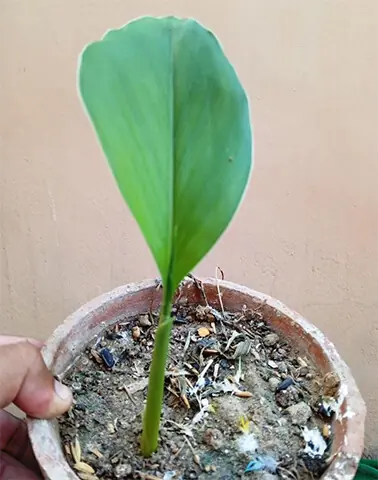
With its range of use, turmeric is a rewarding plant to grow at home, particularly if you have space for a container and a warm, humid growth environment. Plant a sprouted turmeric rhizome in a loose, well-draining potting mix made from two parts growing medium and one part compost.
Plant the rhizome horizontally, with its bud facing upwards. Turmeric can also be grown in a container, provided it is wide and deep enough to accommodate the developing rhizome. It produces large leaves that can grow from one to three feet. The leaves are aromatic and edible, with a slightly bitter taste. They can be used to flavour curries, soups and lentil dishes, or to wrap rice and proteins before steaming. They are also used to prepare herbal infusions
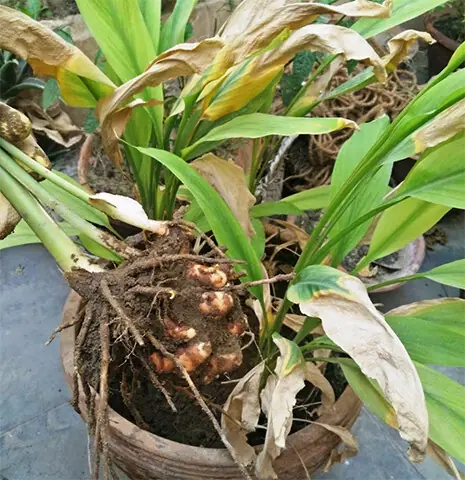
As the growing season ends, the leaves turn yellow and begin to dry, signalling that the rhizomes may be ready for harvest. Harvest when the foliage has died back and the rhizomes have matured.
Turmeric thrives in warm, humid conditions and grows well in bright light with some protection from the harsh afternoon sun. It can also grow with fewer hours of direct sunlight, although growth may be slower. Keep the growing medium consistently moist but never waterlogged. During hot weather, monitor the soil regularly and water when the surface begins to dry.
Occasionally, turmeric produces yellow flowers toward the end of its life cycle. Sometimes, these flowers are pink. Some gardeners remove them in the belief that this redirects energy towards rhizome development.
Initially, apply organic nitrogen-rich fertiliser to the planted rhizome. Also apply a handful of decomposed cow dung or chicken manure once a month. Once the rhizome matures and the plant becomes bushy, switch to a phosphorus-rich fertiliser. Bone meal is a good choice for this, and you should continue applying it once a month — the same schedule as before. In an eight to ten-inch inch container, sprinkle a handful of bone meal once a month.
The period from planting to harvest is usually eight to 10 months. In Karachi’s climate, the rhizomes planted in January or February may be ready for harvest between November and December, depending on growing conditions.
There is no fixed pattern for harvesting. As the plant does not continue into the next season, there is no need to follow any specific plant-saving guidelines. To harvest, loosen the growing medium around the plant and gently lift the root mass from the container. Separate the rhizomes from the soil and roots. Brush away the soil to reveal the fresh, aromatic rhizomes.
If you have harvested some leaves for cooking, you can still remove the remaining plant and dig up the rhizomes once they have matured. Retain a few healthy rhizomes if you wish to grow turmeric again the following season. Store them appropriately until they are ready to be replanted.
Once the rhizomes have been harvested, chop the dried leaves and add them to the compost bin or use them as organic mulch, provided they are healthy. The decomposed plant material can help return organic matter to the soil.
Please send your queries and emails to doctree101@hotmail.com. The writer is a physician and a host for the YouTube channel ‘DocTree Gardening’ promoting organic kitchen gardening
Published in Dawn, EOS, October 18th, 2026