Islamabad High Court questions use of security reports to deny overseas postings
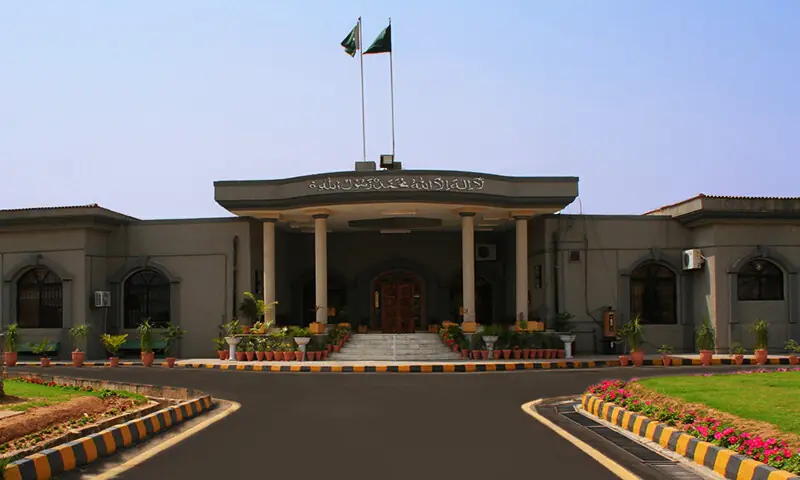
ISLAMABAD: The Islamabad High Court (IHC) on Thursday sought further arguments from the additional attorney general and lawyers representing civil servants over the legal status of sensitive agencies’ reports used to deny security clearance for overseas postings of trade and commercial officers.
A division bench comprising Justices Khadim Hussain Soomro and Umair Majid Malik was hearing an intra-court appeal filed by the federation against a single-bench judgement that had ruled in favour of officers who were denied overseas postings on the basis of adverse security reports.
During the hearing, Justice Soomro questioned whether reports prepared by intelligence agencies could be relied upon in a judicial order and whether such reports could override a decision taken by the prime minister.
“Can reports from intelligence agencies be reviewed in a judicial order?” the judge asked, adding that if the matter fell within the discretion of the prime minister and the government, the court would also have to consider the constitutional division of powers.
Court seeks further arguments on legal status of intelligence documents used against civil servants
The judge also questioned how an employee could be considered suitable to perform duties within Pakistan but not cleared for an overseas posting.
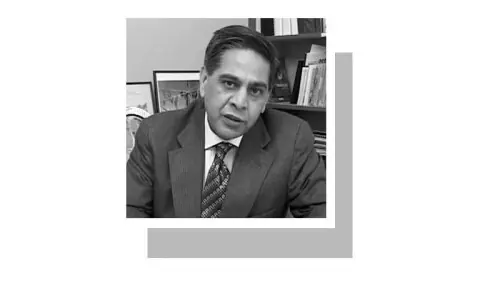
Counsel for the affected officers, Saad Buttar, argued that his clients had been shortlisted after tests and interviews by a high-powered committee comprising Grade-22 officers. However, they were subsequently informed in a single sentence that they were “not suitable” for the posts.
He said the candidates had undergone the required selection process and training, while diplomatic passports had also been issued to some of them, only for a confidential report to later declare them unsuitable for overseas service.
Mr Buttar argued that the candidates were not merely seeking a transfer but had applied for appointments to overseas positions. He said ordinary citizens could also apply for such posts and, therefore, service-law provisions applicable to government employees could not automatically be invoked against them.
The counsel questioned how a secret report could override a transparent selection process conducted by a high-powered committee.
Additional Attorney General Rashid Hafeez argued that matters relating to government employment under Section 10 of the Civil Servants Act were pending before the Services Tribunal and other forums, making the writ petitions before the high court non-maintainable.
Published in Dawn, October 9th, 2026