Kenya confirms first Ebola case imported from Congo, patient has died
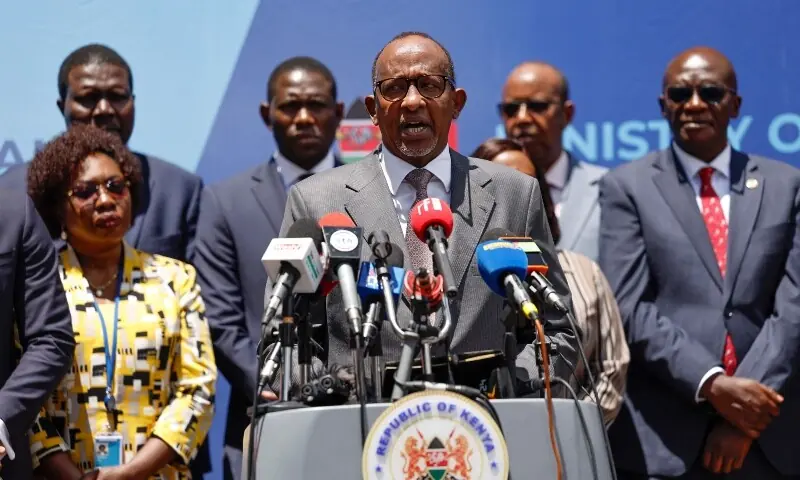

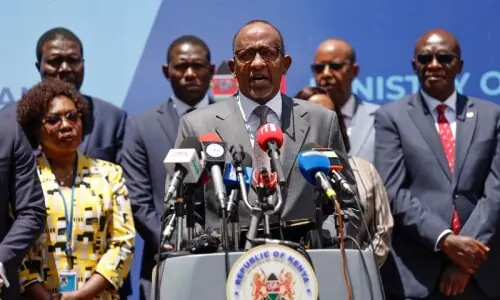
Kenya has recorded its first confirmed Ebola case, a Kenyan citizen who has been living in Democratic Republic of Congo and arrived in Nairobi on Saturday, Health Minister Aden Duale said.
The patient has since died, and 28 contacts have been identified so far including family members and health workers, Duale told a press conference.
So far “only one test has turned positive and is the one that we have just discussed”, he said.
The man, who has not been named, fell ill around a month ago and had been treated in the DRC, Duale told reporters, before travelling overland to the Ugandan capital, Kampala, and then flying to Nairobi on October 3.
He added that he was screened and confirmed positive for the deadly virus, saying that the man “regrettably passed on last night at around 1130”.
“I wish to assure the public not to panic, as all systems are in place to mitigate the spread of the disease,” Duale added.
Kenya has previously never recorded an Ebola case and Kenyans reacted furiously to government plans earlier this year for the creation of an Ebola facility at Laikipia Air Base, about 200 kilometres from Nairobi.
Congo has been battling its largest-ever Ebola outbreak, caused by the rare Bundibugyo species.
The outbreak was declared in mid-May but may have started months earlier and has so far resisted containment efforts, with the Central African country recording more than 8,000 cases and over 4,000 deaths.
The outbreak earlier spread to Uganda, which reported 20 cases and two deaths, but the World Health Organisation declared Uganda free of the disease in August.
The disease has killed more than 15,000 people in Africa over the past 50 years.
Ebola spreads through direct contact with the bodily fluids of infected people, living or dead. It can cause fever, vomiting, diarrhoea and, in severe cases, internal and external bleeding.