JI moves SHC against tweaks to local govt law
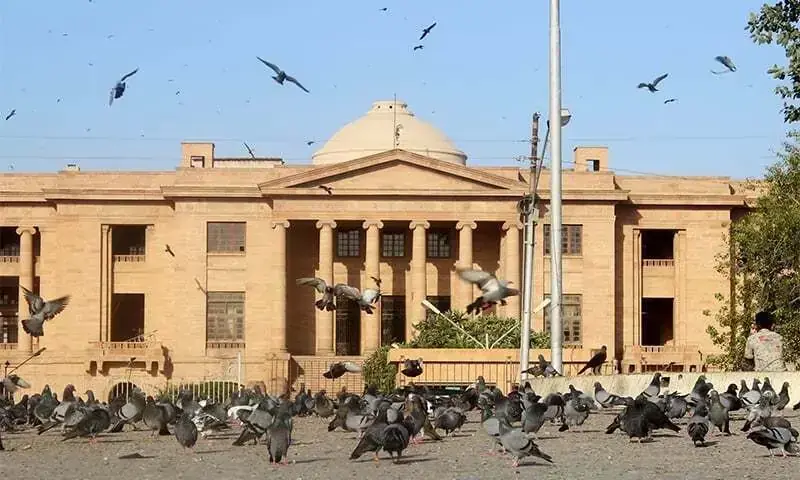
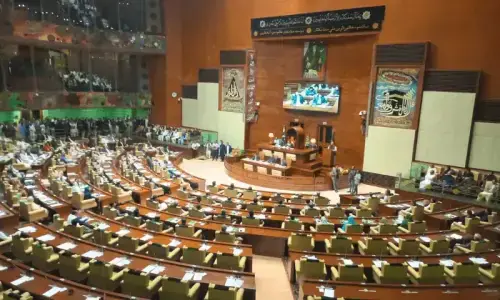
KARACHI: The Jamaat-i-Islami (JI) on Thursday moved the Sindh High Court (SHC), challenging recent amendments made by the provincial assembly to the local bodies law that allow outgoing mayors and chairmen to continue as administrators after their terms expire.
Citing the Sindh chief secretary, secretary local government department and Election Commission of Pakistan as respondents, JI’s city chief Monem Zafar, Leader of the Opposition at City Council Advocate Saifuddin and deputy parliamentary leader Taimoor Ahmed petitioned the SHC.
They submitted that Article 140A of the Constitution has bound down every province to establish a local government system and devolve political, administrative and financial authority to the elected representatives of the local governments, whereas the Sindh Local Government Act 2013 has specific constitutional sanction for devolving such functions to the local bodies.
However, they argued that the Sindh Assembly had passed the Sindh Local Government Act, 2026 (Amendment) Bill on Sept 14, and petitioners were aggrieved since the impugned changes have provided that on expiry of their term, the outgoing mayors or chairmen will continue to exercise powers and perform functions as administrators till the newly-elected heads assume the offices.
Says allowing outgoing mayors, chairmen to continue as administrators after expiry of term is unconstitutional
The petitioners also submitted that the amendments were unconstitutional as well as illegal and created an irreconcilable statutory anomaly whereby an office-holder whose statutory and electoral tenure has expired was permitted to continue exercising substantially the same authority under the nomenclature of “administrator.”
They further submitted that upon expiry of the statutory term, the outgoing mayor/chairman cannot continue indefinitely to exercise the political, administrative and financial authority of local government on the basis of an electoral mandate which has itself expired and the impugned changes consequently defeated rather than advanced the constitutional command contained in Article 140A.
They maintained that such amendments were further inconsistent with Article 218(3) of the Constitution which imposed a constitutional obligation to ensure that elections were conducted honestly, justly and fairly and that corrupt practices were guarded against.
The petitioners also argued that allowing an outgoing mayor or chairman to remain in office meant they may themselves or their political party or allies attempt to retain control over the machinery, resources, employees, development works and financial administration of the local government throughout the election period, creating an obvious incumbency advantage and undermining the level playing field essential to a fair electoral process.
Though the impugned changes required the government to approach the election commission within 120 days before expiry of the term to hold polls, they contended that the continuation provision itself operated until the newly-elected mayors or chairmen assumed office and therefore, any postponement, litigation, delimitation dispute, electoral delay or other interruption may result in the outgoing office-holder continuing for months or potentially years beyond their statutory four-year mandate.
They pleaded to declare the impugned changes unconstitutional, unlawful and being inter alia contrary to Articles 2-A, 4, 17, 25, 32 and 140-A of the Constitution and restore the legal position prevailing immediately before the impugned amendments.
The petitioners also asked the SHC to suspend the operation of such provisos and restrain the respondents from appointing, treating or permitting any outgoing mayor or chairman to continue as administrator upon expiry of the statutory term as well as to ensure that fresh local government elections are initiated and conducted within the period contemplated by the law.
Published in Dawn, September 18th, 2026