Ousted UK PM Keir Starmer quits parliament to focus on international affairs
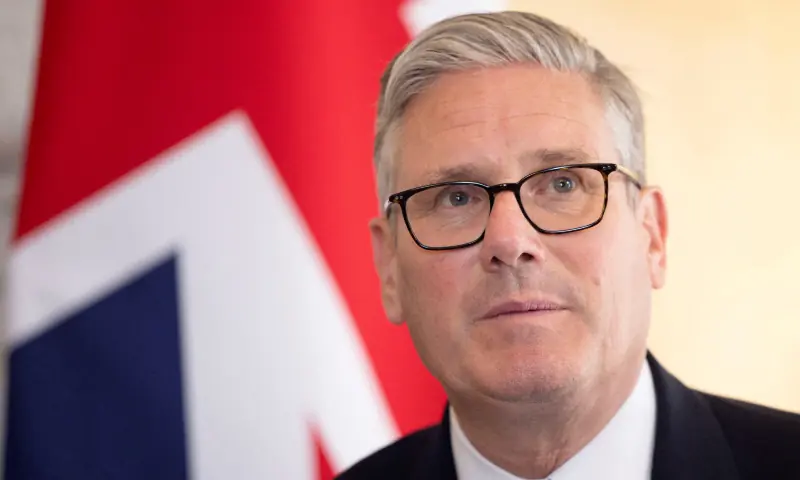
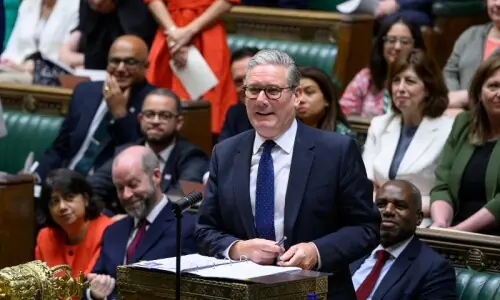
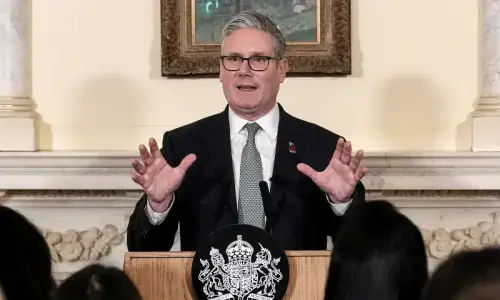
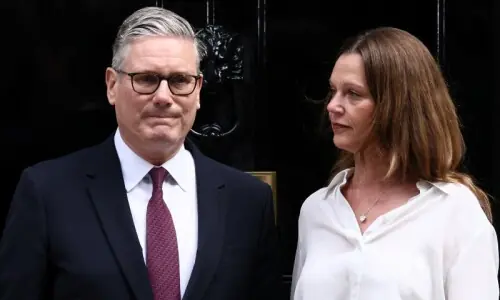
Keir Starmer will stand down as a member of parliament, he said on Tuesday, some six weeks after he resigned as Britain’s prime minister having lost the support of his Labour Party.
Starmer guided Labour into power in 2024 with one of the biggest parliamentary majorities in Britain’s modern history, completing a remarkable turnaround having become Labour leader four years earlier after its worst election showing since 1935.
But the former lawyer, whose tenure as prime minister was marked by several damaging U-turns, failed to connect with voters and steadily lost the support of the public and his party.
Starmer had previously said he would remain as a lawmaker until the next general election. But he told the Camden New Journal, a local newspaper in his North London constituency, that he had changed his mind and intended to “concentrate on international affairs”. He confirmed his resignation in a statement on X.
Despite the sagging popularity at home that cost him his job, foreign affairs were often seen as a strength during Starmer’s premiership. He worked closely with French President Emmanuel Macron to establish the so-called Coalition of the Willing in support of Ukraine, reset ties with China, recognised a Palestinian state and had mixed success in efforts to build relations with US President Donald Trump.
The newspaper report did not give a timeframe for when an election would be held for Starmer’s seat in the constituency of Holborn and St Pancras.
Starmer comfortably held the seat in 2024 with a majority of just over 11,500, though an independent candidate who campaigned primarily on opposition to Israel’s assault on Gaza took nearly 19 per cent of the vote.
He was replaced as prime minister in July by Andy Burnham, who became Britain’s seventh prime minister in a decade. Burnham’s accession has led to a bounce in the polls for Labour, though he faces a sterner test when parliament resumes later on Tuesday.