Private sector retires Rs393bn during first 6 weeks
KARACHI: In the first 45 days of the current fiscal year, banks’ lending to the private sector continued to decline, and Non-Bank Financial Institutions (NBFIs) also faced a liquidity crunch.
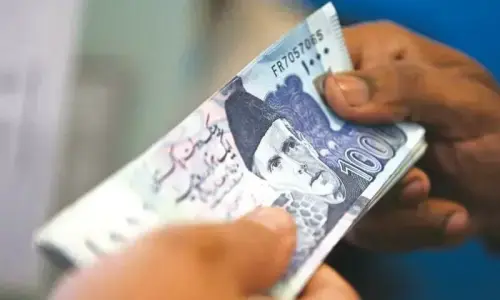
The outlook appears bleak as the government seeks to mobilise the private sector to exceed the 4 per cent GDP growth target for 2026-27. Data released by the State Bank of Pakistan (SBP) on Monday showed that the private sector was repaying debt rather than taking on new loans.
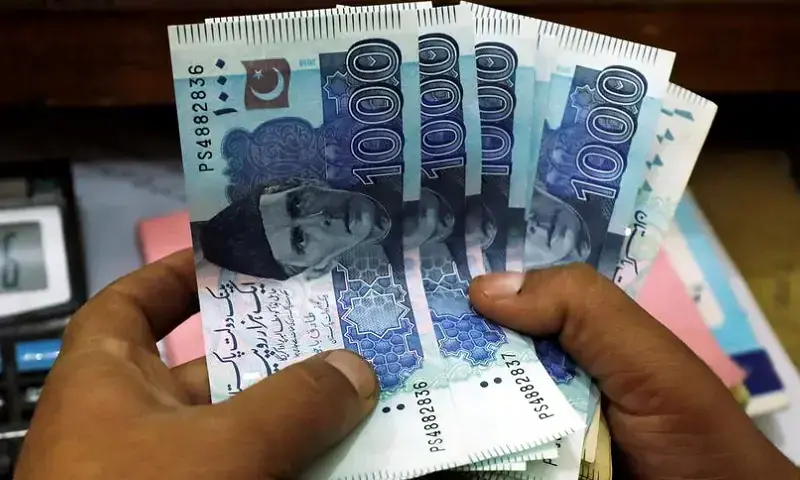
From July 1 to Aug 15, the private sector’s net debt retirement was Rs393.4 billion. The data was not good last year either, as the private sector retired Rs232bn during the same period.
Debt retirement was higher than last year, but more importantly, the data showed that private-sector investment was inert. Bank advances rose to Rs1.46 trillion in FY26, compared with Rs1tr in FY25.
Indicates investment freeze as banks prefer risk-free govt papers
However, the higher lending failed to stimulate the economy, and growth remained stuck at 3.7pc in FY26.
The data also showed that lending to the NBFIs over the 45-day period was negative, indicating a net retirement of Rs25.3bn.
SBP Governor Jameel Ahmad recently remarked that stabilisation alone was insufficient to put Pakistan on a path of high and sustainable growth.
He said the banks should reorient their business models to increase private-sector financing, emphasising that the banking sector has a critical role in supporting Pakistan’s next phase of sustainable economic growth.
Although the government and the State Bank have been struggling to encourage the private sector to drive economic growth, the banks are least interested in extending loans and are more inclined to park their liquidity in risk-free government bonds.
Another hitch for the private sector is the high interest rate, which makes their products costlier in the region.
“There are many reasons for the private sector’s poor participation, including the uncertain political situation, tension in the Gulf region, high oil prices, and a poor law-and-order situation, including agitation by goods transporters and political resistance to the petroleum levy. A long list of corrections is needed,” said an industrialist.
Published in Dawn, August 25th, 2026