Banks’ massive Rs1.5tr lending fuels economy
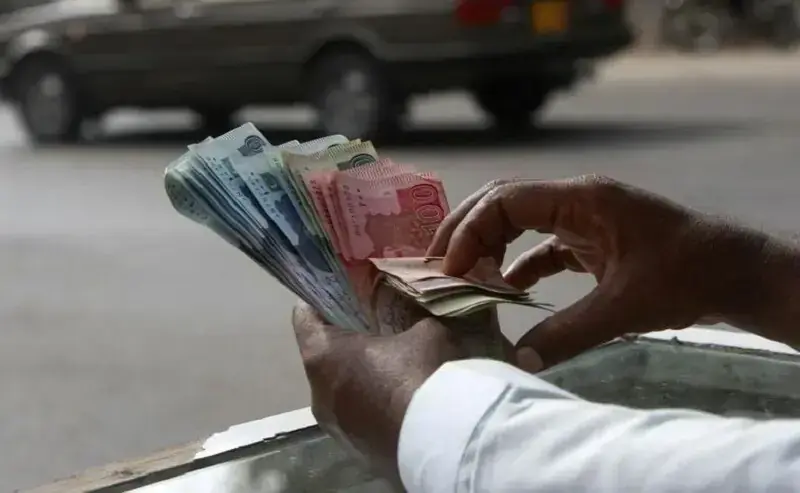
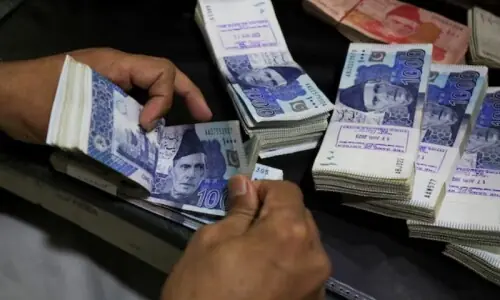
KARACHI: A massive lending of Rs1.5 trillion by banks to the private sector during the current financial year (FY26) has helped fuel growth in large-scale manufacturing (LSM), bankers said, attributing the big jump to a significant drop in borrowing by the government.
According to them, the growth in large-scale manufacturing during the current financial year (FY26) reflects the direction of the banks’ money.
Since the outflow from banks to the private sector had been extremely poor during the previous three fiscal years, the growth rate remained stagnant. This, in turn, created serious problems for the government as job creation suffered, aggravating an already dire state of poverty in the country.
According to a recent World Bank report, poverty has been rising in the country and 44 per cent Pakistanis live below the poverty line.
Low borrowing by govt leaves banks with high liquidity
Data released by the Pakistan Bureau of Statistics shows that LSM recorded a growth of 8.33 per cent in October, while the figure for the first four months of FY26 (July to October) stood at over five per cent.
“The import of machinery and raw cotton has picked up while working capital has also increased due to increasing cost of doing business during the last three years,” said a senior banker.
The Consumer Price Index (CPI) hit a record high of 38 per cent in May 2023, driven by soaring food, rent, and energy costs.
It caused a significant devaluation of currency, meaning that more money is required now than before for the same jobs, low inflation notwithstanding.
Better prospects
Unlike FY25 when the economic growth rate was just three per cent and borrowing by the private sector during the first five months was just Rs135 billion, the outlook this year is more cheerful.
But a number economists are sceptical of better growth in FY26. They argue there neither has been any long-term investment by local entrepreneurs nor are foreign investors visible.
The second highest outflow of liquidity from banks was meant for non-bank financial institutions (NBFIs). The NBFIs received a total of Rs1.36tr from banks.
These entities play a vital role in the financial system by supplementing services offered by conventional banks.
The NBFIs saw a net debt retirement of Rs329bn. The lending of large amounts to NBFIs could be beneficial to small and medium enterprises.
Published in Dawn, December 23rd, 2025