US hits Canadian goods with 50pc tariffs after trade talks fail
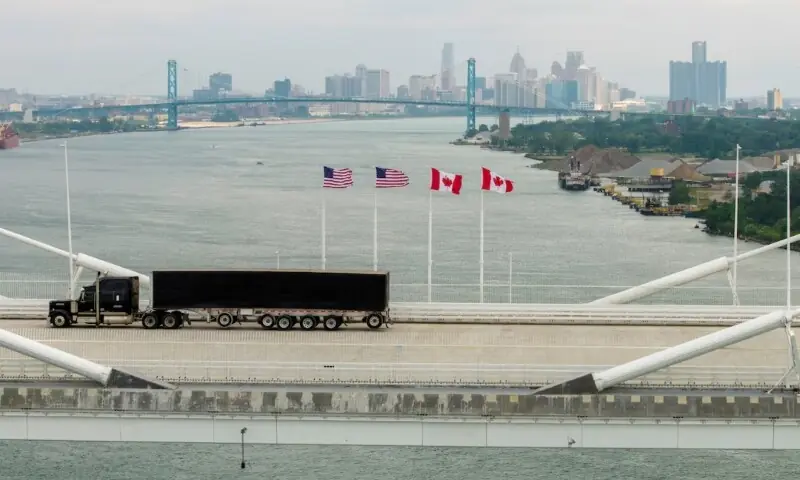

The United States imposed 50 per cent tariffs on some Canadian goods on Saturday after the two longstanding allies failed to reach a trade deal, with each side accusing the other of derailing days of talks.
The tariffs that came into effect just after midnight (0400 GMT) on some $20 billion of Canadian goods — things like wooden ice hockey sticks that are rarely used anymore — are far from an economic game-changer for the largest US trading partner after Mexico. That represents just over 5pc of Canada’s exports to the US.
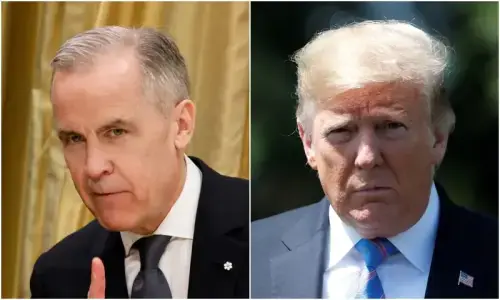
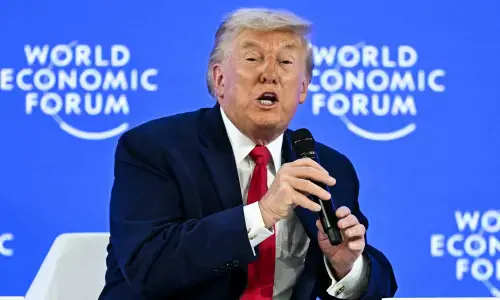
But the new tariffs mark an increase in tensions between President Donald Trump and Prime Minister Mark Carney, and will likely make broader talks to renew the US-Mexico-Canada free trade agreement more difficult.
Carney said he had suspended trade negotiations and Canada would retaliate “dollar for dollar” on the new tariffs.
“I have decided to suspend trade negotiations with the US and have directed Canada’s negotiators to return to Ottawa,” Carney said in a statement.
“They (negotiators) have worked hard, in good faith, to defend the interests of Canadians throughout these negotiations up until the very last minute,” he said.
“However, last-minute changes in the US proposed terms were unfair, uneconomic, and called into question the reliability of any deal.”
Carney, the only person to ever run the central banks of two major economies, was elected last year on promises to stand up to Trump, and remains broadly popular. Polls show most Canadians oppose making any concessions to Trump.
Hours earlier, the two sides had seemed close to an agreement that sources said would have lowered tariffs on steel, aluminum and autos and potentially brought American alcohol back to Canadian liquor stores.
“Tonight, Canada declined to finalise the trade deal under the terms agreed earlier this week,” US Trade Representative Jamieson Greer said during a White House briefing.
“This is a missed opportunity for Canada to partner with the United States, which is the fastest-growing economy in the G7,” Greer said.
A senior Trump administration official said the US offer would have put Canada in the best tariff position of any major exporter to the US, but that Canada had sought additional concessions, especially on steel, aluminum, autos and softwood lumber.
No additional talks are scheduled as the US implements the new duties, the official said.
Trump last month threatened to impose a raft of duties on a range of Canadian imports including wine, furniture, dairy products, cement, clothing, fishing rods, hockey equipment.
The tariffs, which do not qualify for preferential treatment under the US-Mexico-Canada free-trade agreement, open up some already vulnerable sectors to potential severe damage that could lead to job losses and business closures, trade experts have said.
The decision by the US administration followed three days of talks in Washington between Canada’s minister for trade with the US, Dominic LeBlanc, and Greer.
The new duties add to existing US tariffs on steel, lumber and autos which have taken major hit in the last 18 months, although the malaise has been largely contained within these sectors.