DERA ISMAIL KHAN: Federal Board of Revenue (FBR) has frozen or linked all bank accounts of Tehsil Municipal Administration (TMA) Dera Ismail Khan over unpaid tax liabilities exceeding Rs30 million, an FBR official confirmed on Thursday.
The action was taken in connection with the annual audit for 2024-25 and under the tax laws after the TMA allegedly failed to deposit the outstanding amount within the stipulated period, the FBR confirmed.
The action was carried out on the orders of commissioner Inland Revenue, Kohat Region, under the supervision of deputy commissioner Malik Riaz, said the FBR.
The freezing of the accounts is likely to affect the TMA’s routine financial operations including payment of liabilities and other municipal expenditures. Prolonged restrictions could also affect the administration’s day-to-day functioning and its ability to meet financial obligations.
The FBR said the action was aimed at recovering outstanding government dues and ensuring compliance with tax laws. It added that legal measures could be taken against entities that failed to clear their tax liabilities.
According to officials familiar with the recovery process, if the funds currently available in the TMA’s various bank accounts are insufficient to cover the outstanding liability, any government grant or payment deposited into the accounts by shopkeepers or other sources may be recovered against the tax dues.
Attempts were made to obtain the TMA administration’s version of the matter, but TMO Abdul Rehman Khan could not be reached despite repeated calls.
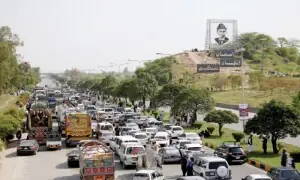
ROADS PARTIALLY OPENED: Two important roads leading to the Indus River in Dera Ismail Khan have been partially reopened for traffic during daytime, a move welcomed by the Dera Civil Society, which has called for continued protection of citizens’ access to public spaces and recreational facilities.
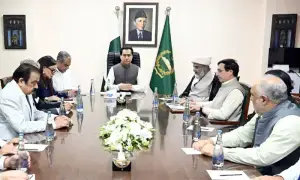
The issue was discussed at a meeting of the Dera Civil Society chaired by its chairman, retired Justice Daud, and president Sohail Ahmed Azmi.
The participants welcomed the reopening of the roads, describing it as a positive development and urged the authorities not to impose unnecessary restrictions on citizens’ legitimate freedoms, recreational activities and access to public places in future.
The civil society acknowledged the sacrifices and difficulties faced by the police, Pakistan army and other security institutions, describing them as national institutions and assets. However, it said prolonged extraordinary security conditions had adversely affected the social, economic and community environment of Dera Ismail Khan.
It said security-related restrictions had already reduced opportunities for young people and citizens to participate in sports, recreation, healthy activities and social interaction. In such circumstances, the few available playgrounds, parks, green belts, recreational areas and the banks of the Indus River were essential for a healthy society, it added.
Published in Dawn, August 21st, 2026