ECC calls tenders for sugar export of 108,000 tonnes
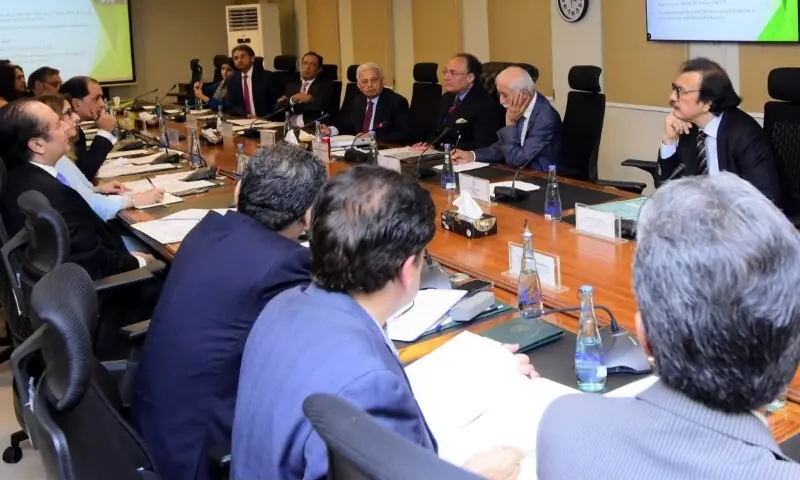

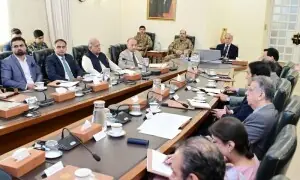
ISLAMABAD: Taking a cautious approach given domestic sensitivities, the Economic Coordination Committee (ECC) of the Cabinet on Wednesday stopped short of formally allowing sugar export and instead decided to call international export tenders for 108,000 tonnes.
“A formal decision for sugar export would depend on the price we get through tenders and would be taken by the federal cabinet,” a senior official told Dawn, adding that the minimum time required for an international tender should be no less than 30 days.
This would bring the actual export decision very close to the next crushing season and help maintain domestic price stability, the official said after the single-point ECC meeting presided over by Finance Minister Muhammad Aurangzeb. The minister was not ready to go for an outright decision on sugar exports, given repeated past export-import cycles at the cost of the general public, which entailed political costs for the government.
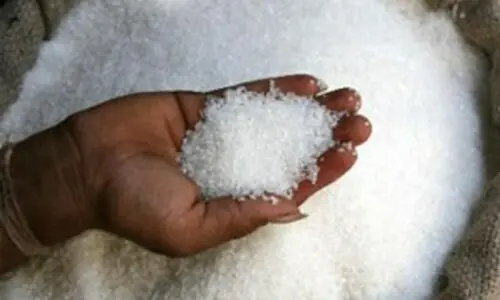
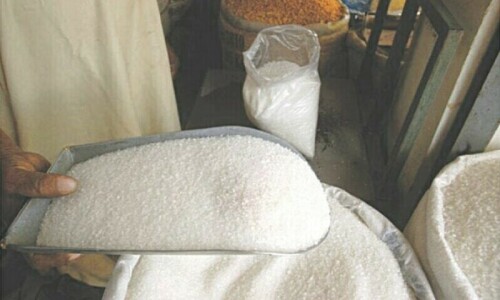
The ECC reviewed a summary submitted by the Ministry of National Food Security and Research. The summary sought permission to call for international tenders to export 108,000 tonnes of sugar currently held by the Trading Corporation of Pakistan (TCP). This stock is the remainder of the 300,000 tonnes imported last year, as approved by the Steering Committee on Sugar, which was constituted with the Cabinet’s approval.
The brief statement after the ECC meeting noted that the international tender process will strictly adhere to the PPRA Rules 2004.
The Steering Committee, led by Deputy Prime Minister and Foreign Minister Ishaq Dar, had allowed the import of 500,000 tonnes of sugar as local prices surged following an earlier decision to export sweetener at the request of the sugar industry.
Informed sources said the ECC was told that last year’s stocks were still in the government godowns while the imported quantities had a limited shelf life of about two years and should be offloaded.
The finance minister warned that it would not be an easy decision in view of past missteps. The exports should be considered if they yield reasonable foreign exchange and do not spike local prices, he was quoted as saying while advocating a formal cabinet approval at the appropriate time for collective political responsibility.
The source said the ECC did not discuss demands of the sugar industry for export of more than 500,000 tonnes of sugar out of reported exportable surplus of up to one million tonnes after setting aside quantities needed for domestic consumption. The crushing season should normally begin by the end of September, but the powerful sugar mafia had been delaying it until November on one pretext or another.
Last week, the Ministry of Commerce told a parliamentary panel that the government had no proposal under consideration for sugar exports at this stage, given previous experience of exports followed by imports, and vice versa, which had created political controversy.
Early this month, the Pakistan Sugar Mills Association (PSMA) — a cartel of more than four dozen mills — reported total stocks of more than three million tonnes as at July 31. It stated that domestic consumption averaged 564,000 tonnes per month, meaning that around 1.9m tonnes would be sufficient for the next three months, leaving a surplus of around one million tonnes.
The PSMA demanded that its members be allowed to export at least 600,000 tonnes of sugar, which would still leave over 500,000 tonnes of carryover stock into the new crushing season, on a bumper sugarcane crop, to keep prices stable. The industry is expecting around eight million tonnes of output in the coming season.
The government, however, suspected that, as usual, the export decision, coupled with thin domestic stocks, would send a bad signal and result in higher domestic prices.
Published in Dawn, August 20th, 2026