US to vet social media of foreign journalists applying for visas, report says
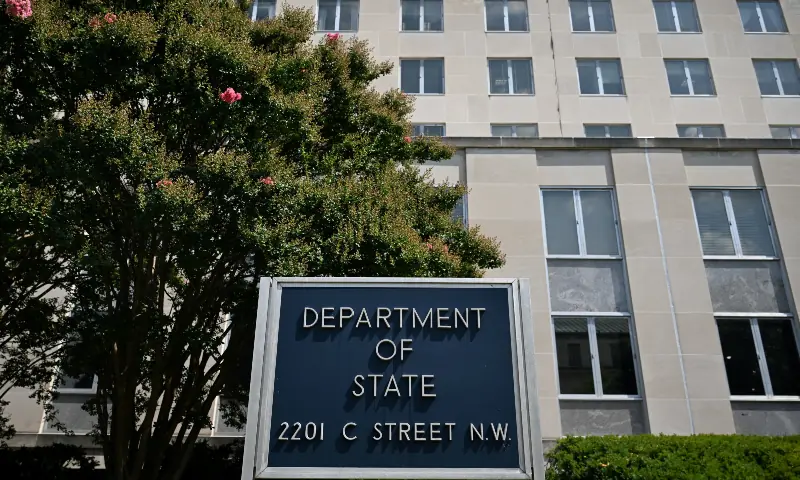
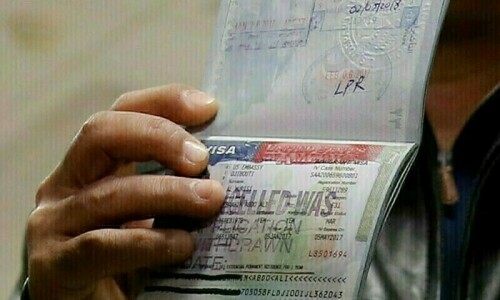
The US State Department will vet the social media accounts of foreign journalists applying for visas to work in the United States, according to a media report on Thursday.
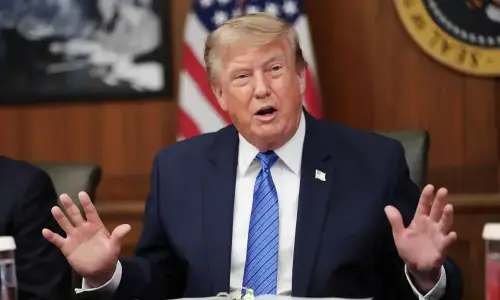
The report in the conservative news outlet The Daily Signal cited an internal memo that said an initiative by President Donald Trump’s administration that requires applicants for many visa types to make their social media accounts public for screening was being expanded to include foreign media representatives.
Applicants for another type of visa for workers from Canada and Mexico also will now be included in the screening, it said.
The White House and the State Department’s official accounts on X shared a link to the article, but the State Department declined to confirm the specifics of the report, citing a policy of not commenting on “purported internal documents”.
A State Department spokesperson said that what the department calls “online presence vetting” is used to ensure that applicants are eligible for a visa under US law.
“The Department of State is screening and vetting to the maximum extent possible every foreign national seeking admission to the United States to ensure they will respect US law including the terms of their admission and do not pose a threat to US security, public safety or national interests,” the spokesperson said.
“Officers use a variety of methods to make informed decisions that protect national security, prevent fraud and ensure a thorough review of applicants,” the spokesperson added.
It was unclear when the reported new policy would take effect.
The Department of Homeland Security tightened rules last month around how long foreign journalists working in the United States, as well as other visa holders including foreign students, could remain in the country.
It also builds on a series of steps that Trump’s administration has taken since he began his second term in taking office in January 2025 to make online speech a factor in immigration and visa decisions. These steps have raised concerns among civil liberties advocates about freedom of speech.
US Citizenship and Immigration Services has said it will screen the social media posts of immigrants and visa applicants, including for what it deems antisemitic content and “anti-Americanism”. The administration has canceled the visas of foreign students in the US who engaged in pro-Palestinian activism, in some cases attempting to deport those students.
The State Department said in October 2025 that it revoked the visas of six foreign nationals over comments about the assassination of conservative activist Charlie Kirk, and said it would continue identifying visa holders it believed had celebrated the killing.