New US policy gives officials more power to reject immigration filings
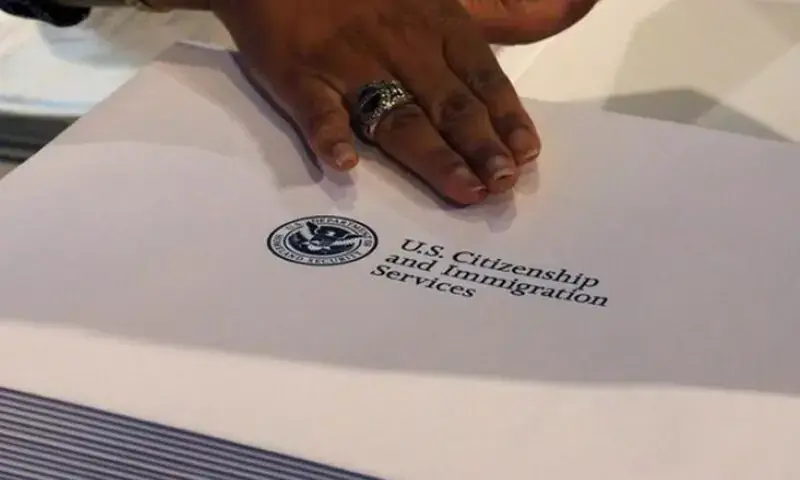


WASHINGTON: Immigrants seeking work permits, green cards, or changes of status could face a greater risk of having their applications denied under a new US Citizenship and Immigration Services (USCIS) policy that took effect on August 5.
The policy, announced by USCIS on Wednesday, gives immigration officials broader discretion to deny incomplete applications without first allowing applicants an opportunity to submit missing documents or other required evidence.
The new policy applies to a wide range of applications handled by USCIS, including those for green cards, work permits, US citizenship, travel documents, and other immigration-related approvals.
Under the revised guidance, applicants must prove they qualify for the immigration status or approval they are seeking and submit all required supporting documents when they file their application.
If they fail to do so, USCIS officers may deny the application without first issuing a request for evidence (RFE) or a notice of intent to deny (NOID), both of which previously allowed applicants to correct mistakes or provide missing documents.
USCIS said the change restores officers’ discretion under long-standing Department of Homeland Security regulations and reverses a Biden-era policy that generally encouraged officers to request additional evidence before denying an incomplete application.
According to the agency, the previous policy allowed some people to file incomplete or “placeholder” applications to obtain temporary immigration advantages, such as work authorisation while waiting to submit the required evidence. It said the new policy will help reduce frivolous filings, improve efficiency, and shorten processing times for applicants who submit complete applications.
For many South Asian immigrants, the change could have important practical consequences, as they account for a large number of family-sponsored and employment-based immigration applications. Many also apply for work permits, adjustment of status to permanent residence, naturalisation, and other immigration services provided by USCIS.
Immigration lawyers say these applications often require extensive documentation. Under the new policy, forgetting to include a required document or failing to demonstrate eligibility at the time of filing is more likely to result in an immediate denial.
However, the policy does not change who qualifies for a green card, work permit, citizenship or any other immigration status.
The updated policy applies to immigration applications that were pending or filed on or after Aug 5 unless a specific law or USCIS regulation provides otherwise.