Americans vote in midterm election seen as a referendum on Trump presidency
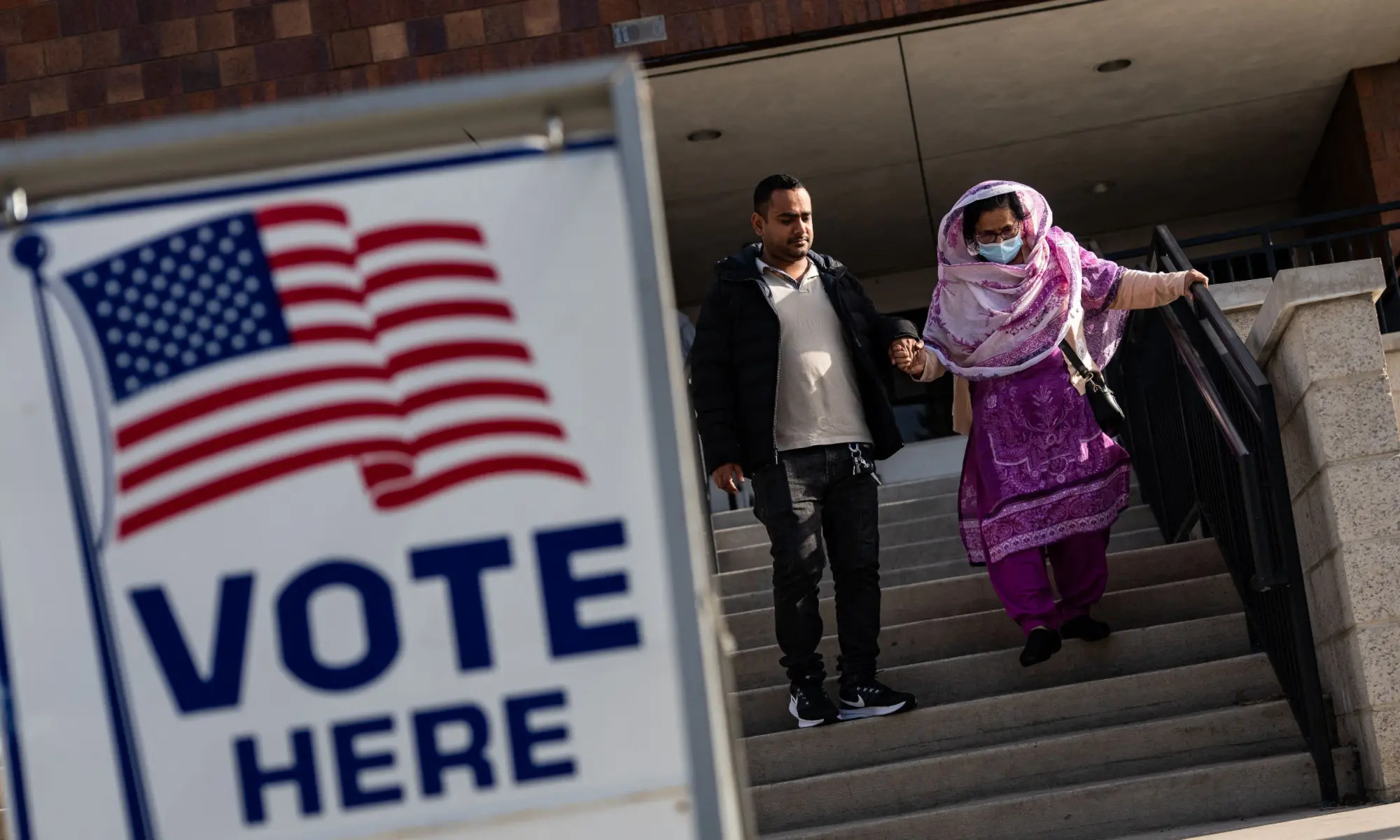
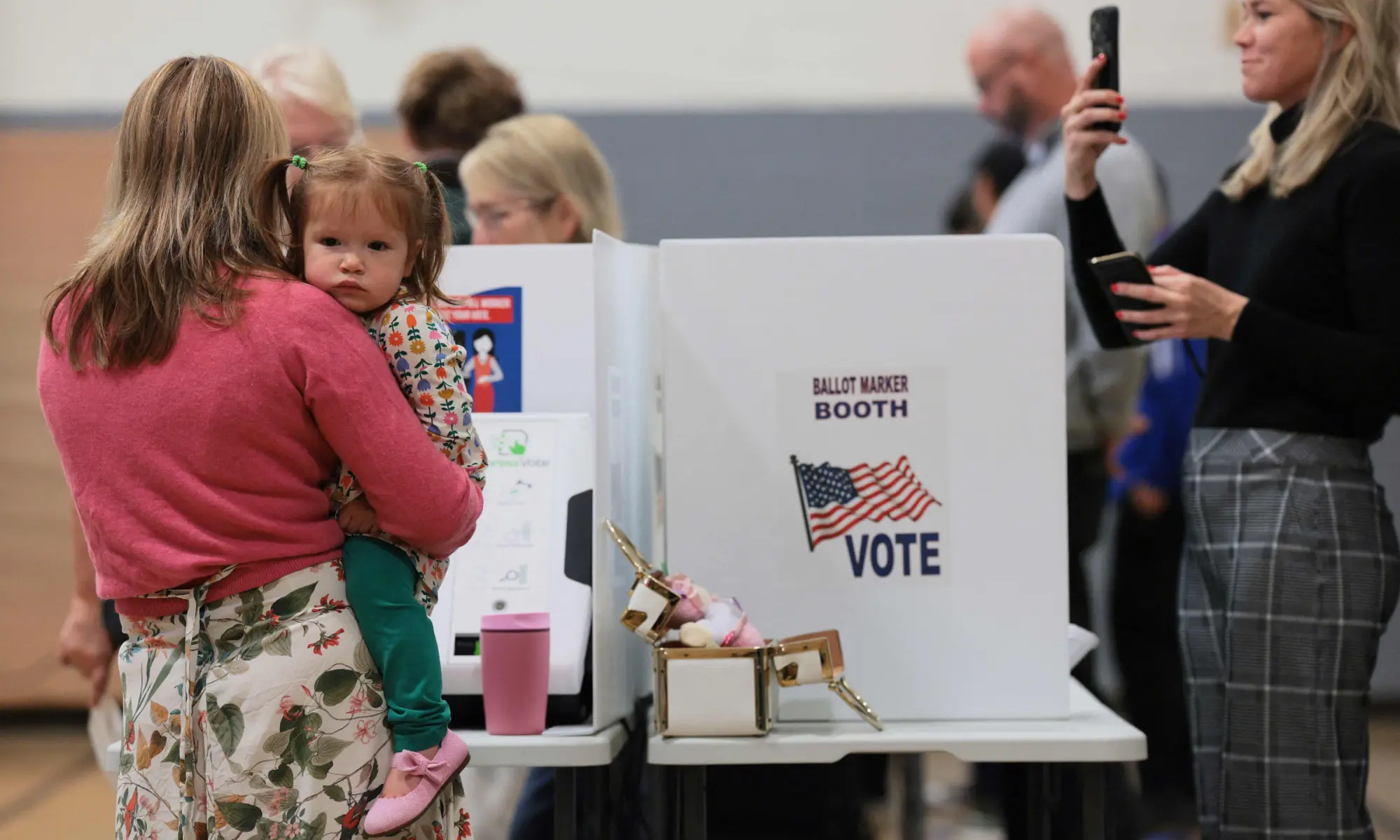

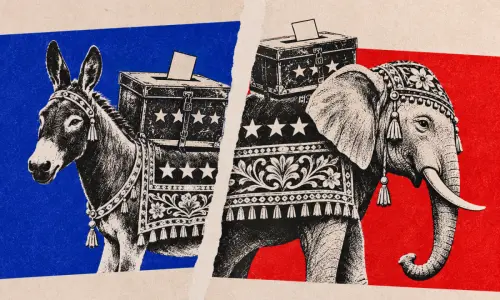
Americans voted on Tuesday in a midterm election seen as a nationwide referendum on US President Donald Trump that could wrest control of Congress from his Republican Party and impose major restraints on the remaining two years of his presidency.
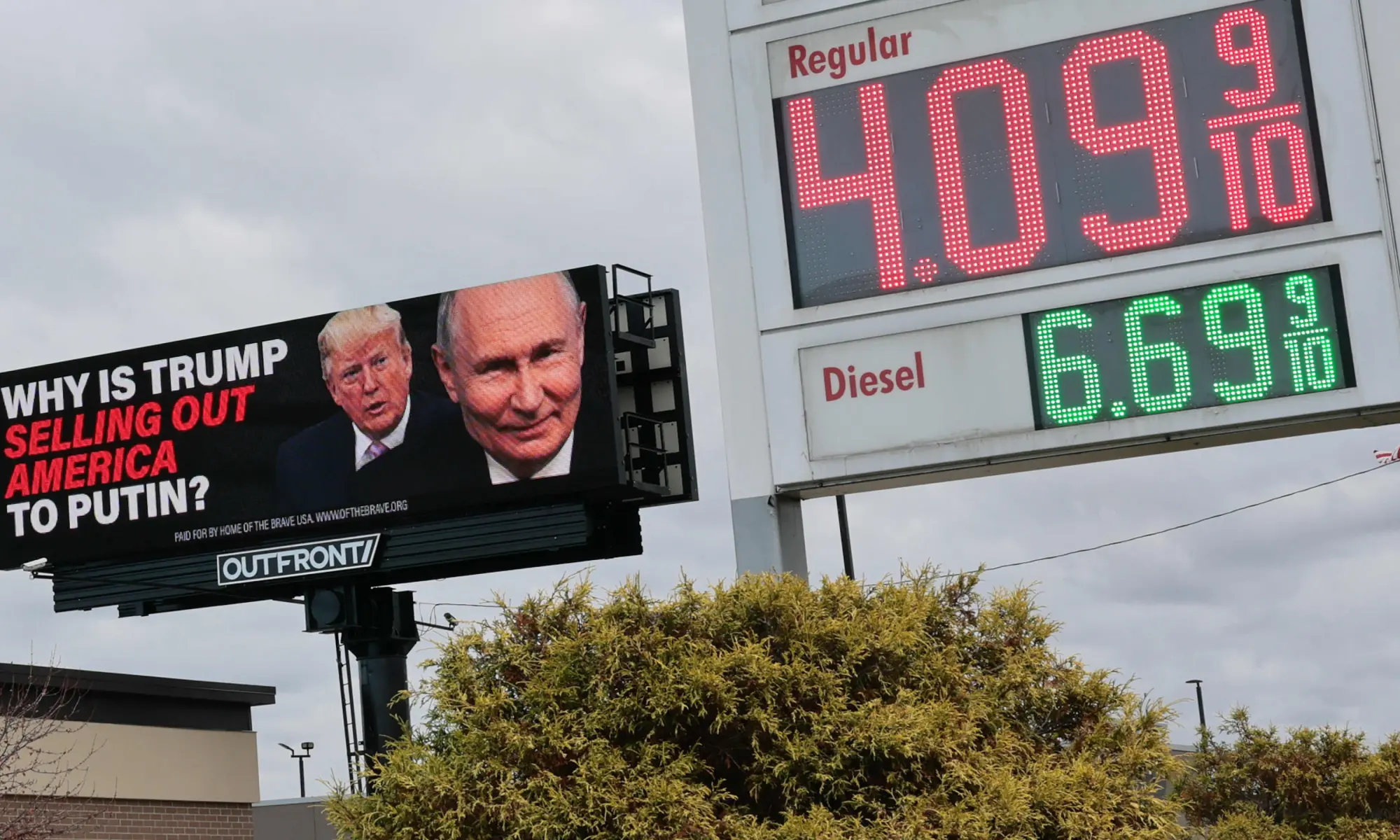
Polls predict the Democrats will win a majority in the House of Representatives and possibly seize the Senate on the back of voter resentment at an unpopular president, soaring energy costs and the dragging conflict with Iran.
Republicans losing the House would give Democrats the power to stall Trump’s legislative agenda and launch sweeping investigations of his administration. A Senate defeat would also threaten his ability to appoint Supreme Court justices and senior officials.
Donta Comer, a 38-year-old project manager in an Atlanta suburb, told AFP he “voted for mostly Democratic candidates”.
“It’s just about the cost of living, gas prices, those kind of things,” Comer said. “It needs to change for the everyday person and I’m an everyday person.”
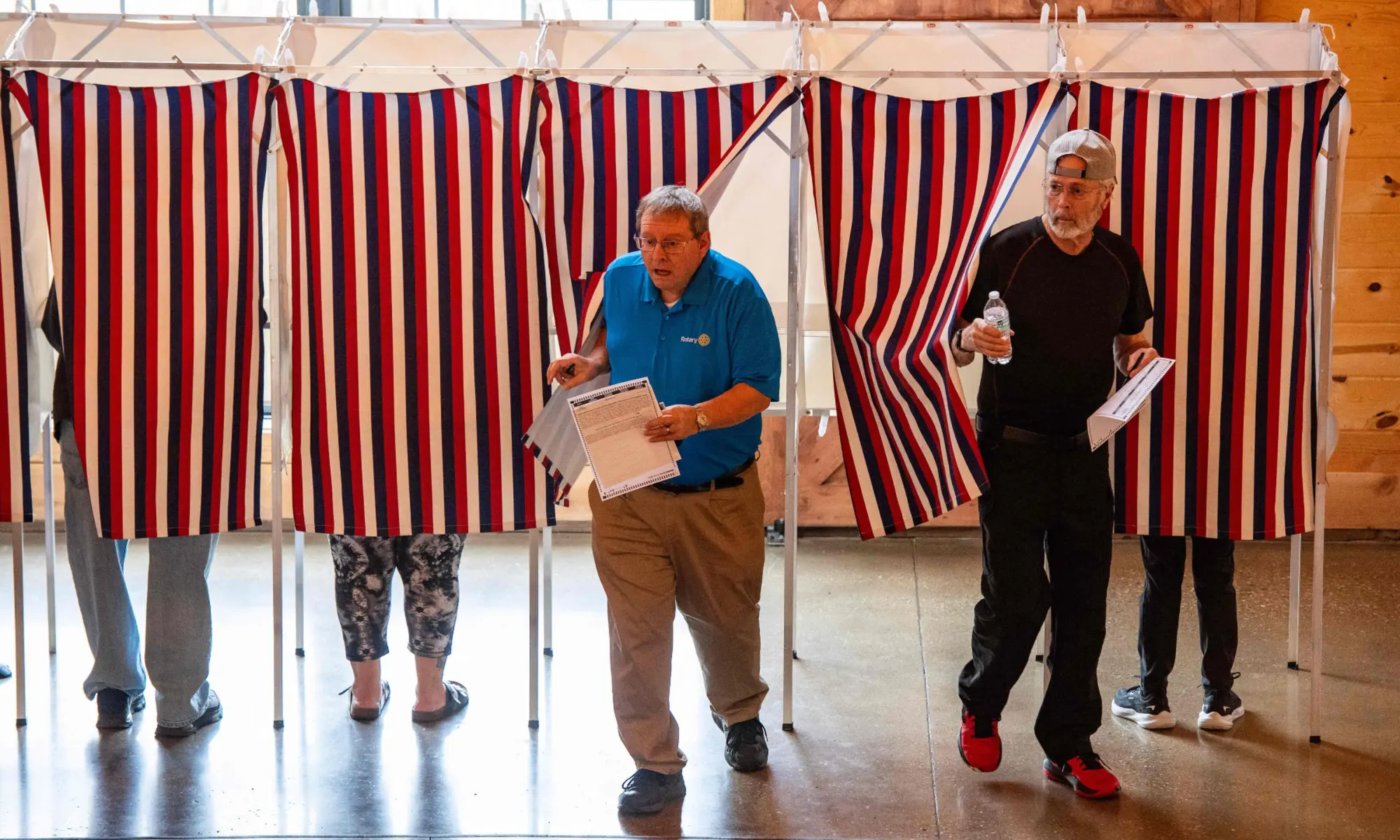
Trump defended his record in a final TV phone-in pitch to voters on Tuesday, saying he had rebuilt the country through his immigration crackdown, war on Iran and tariff policy.
“We have to keep America great. We’re great now. We were terrible two years ago,” Trump told ‘Fox & Friends’.
All 435 House seats and 35 of the 100 Senate seats are at stake, along with governorships in 36 states. Democrats need only three House gains and a net four seats in the Senate to wrest both chambers from Republican hands.

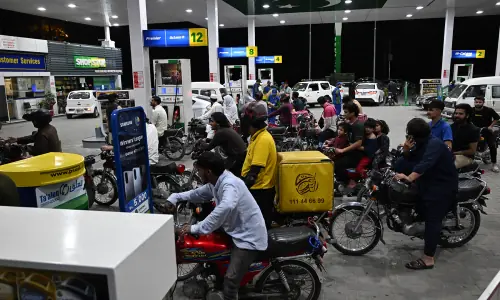
Trump returned to office last year promising to bring down prices, but inflation, tariffs and fuel costs inflated by the Middle East conflict have squeezed Americans.
The 80-year-old’s approval rating has hovered near the low 30s.
In the suburbs of Atlanta, Georgia, retired teacher Jane Callum, 77, was among Democrats canvassing for Senator Jon Ossoff, who framed the race as a watershed moment for the country’s future.
“I really feel an obligation to do everything that I possibly can to change the direction that our country is going in now, and put it more on the path to democracy and away from autocracy,” she told AFP.
Economic discontent
Republicans insist that Trump’s tax cuts and anti-migrant stance will benefit voters, and they are portraying Democratic candidates as left-wing radical socialists — a message that seemed to resonate with Daryl Ruley, an 84-year-old voter in Austin, Texas.
“A lot of today’s younger people think socialism is the way to go,” Ruley told AFP. “They don’t understand history if they believe that’s the case.”
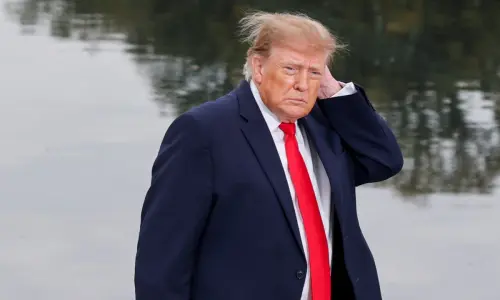
But in his final public campaign appearance on Monday, Trump barely touched on the election and gave a rambling talk about his problem-plagued renovation of Washington’s Reflecting Pool.
“This is the last day before the midterm elections, the most important midterm I believe in our lifetime,” he said, 26 minutes into the speech, before quickly returning to talking about renovations.
Senate Democratic leader Chuck Schumer branded it a “pathetic closing message”.
Some Republican supporters remain confident. “We’re going to win. As a matter of fact, we’ve probably already won,” Texas military veteran Yvonne Clouser told AFP.
Republicans currently hold a 53-47 Senate majority, but the battlefield has extended into once reliably conservative states like Kansas, Texas, Iowa, Ohio and Alaska.

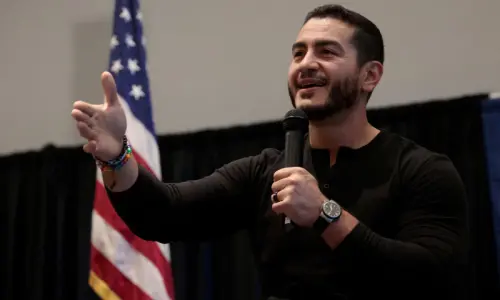
Democrats must also defend competitive seats, including in Michigan, where a bitter internal dispute saw Congresswoman Haley Stevens endorse Republican Mike Rogers rather than the Democratic nominee, Abdul El-Sayed.
Decision Desk HQ’s final forecast projected 241 House seats for Democrats against 194 for Republicans, and a narrower 52-48 Democratic Senate majority.
Trump, who will watch the midterm results at the White House on Tuesday night, signalled that if he does lose control of Congress, he could simply defy Democrats.
“I veto everything,” he told a podcast on Monday, although he said he might strike deals with Democrats eventually.
Justice Department to monitor elections in all 50 states
More than 57 million Americans had already voted early before Tuesday, indicating high engagement.
The campaign has attracted more than $11 billion in political advertising, while billionaire Trump ally Elon Musk has poured hundreds of millions of dollars into Republican political efforts.
As soon as polls close, concerns will mount over whether results will be accepted by the Republicans.
Trump, who tried to overturn his 2020 election defeat, has repeatedly alleged widespread voter fraud and accused Democrats — with no evidence — of cheating. His administration has stepped up efforts to investigate suspected non-citizen voting, although research and election officials indicate that such cases are exceedingly rare.
The Justice Department, run by a close Trump ally, has already sued to potentially block certification of Alaska’s Senate race if Republican incumbent Dan Sullivan narrowly loses, although a court ruled against the effort on the eve of the election.
And the Supreme Court rejected on Monday an emergency bid to force California to set aside the mail-in ballots of more than 20,000 people on the grounds they may not be American citizens.
The Justice Department also announced that it was deploying approximately 1,000 election monitors and observers across all 50 states for the first time in its history.
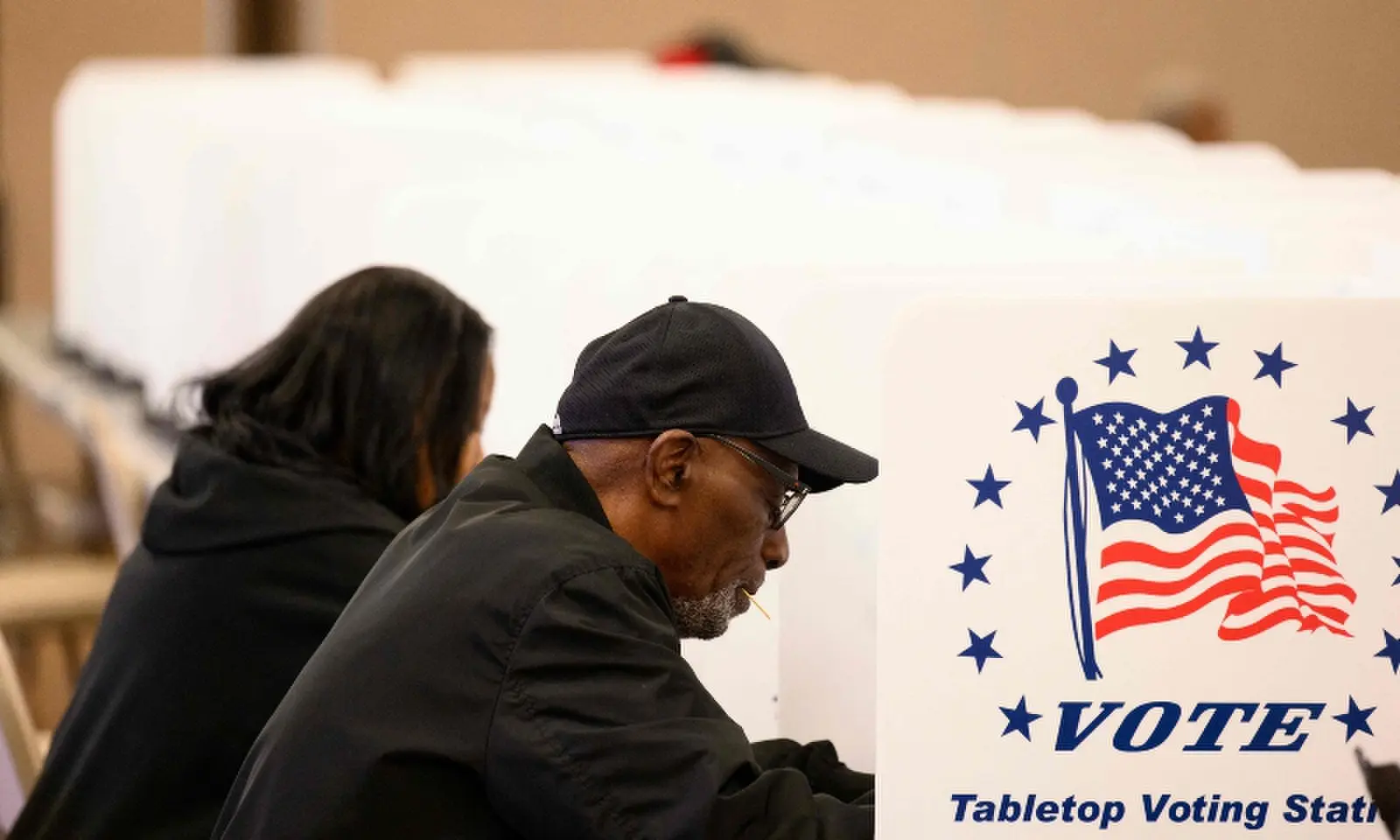
The expanded monitoring effort has also raised questions about the federal government’s role in elections, which are primarily administered by state and local authorities. The Justice Department is part of the executive branch headed by Trump, unlike the courts, which exercise an independent judicial function.
The department described the deployment as “the largest election-monitoring effort in its history”, saying it was intended to “protect voting rights, ensure election integrity and promote transparency”.
Assistant Attorney General Harmeet K. Dhillon, who heads the Civil Rights Division, described election integrity as a top priority for the administration.
“Election integrity has been one of the top priorities for this Administration and this Division,” Dhillon said.
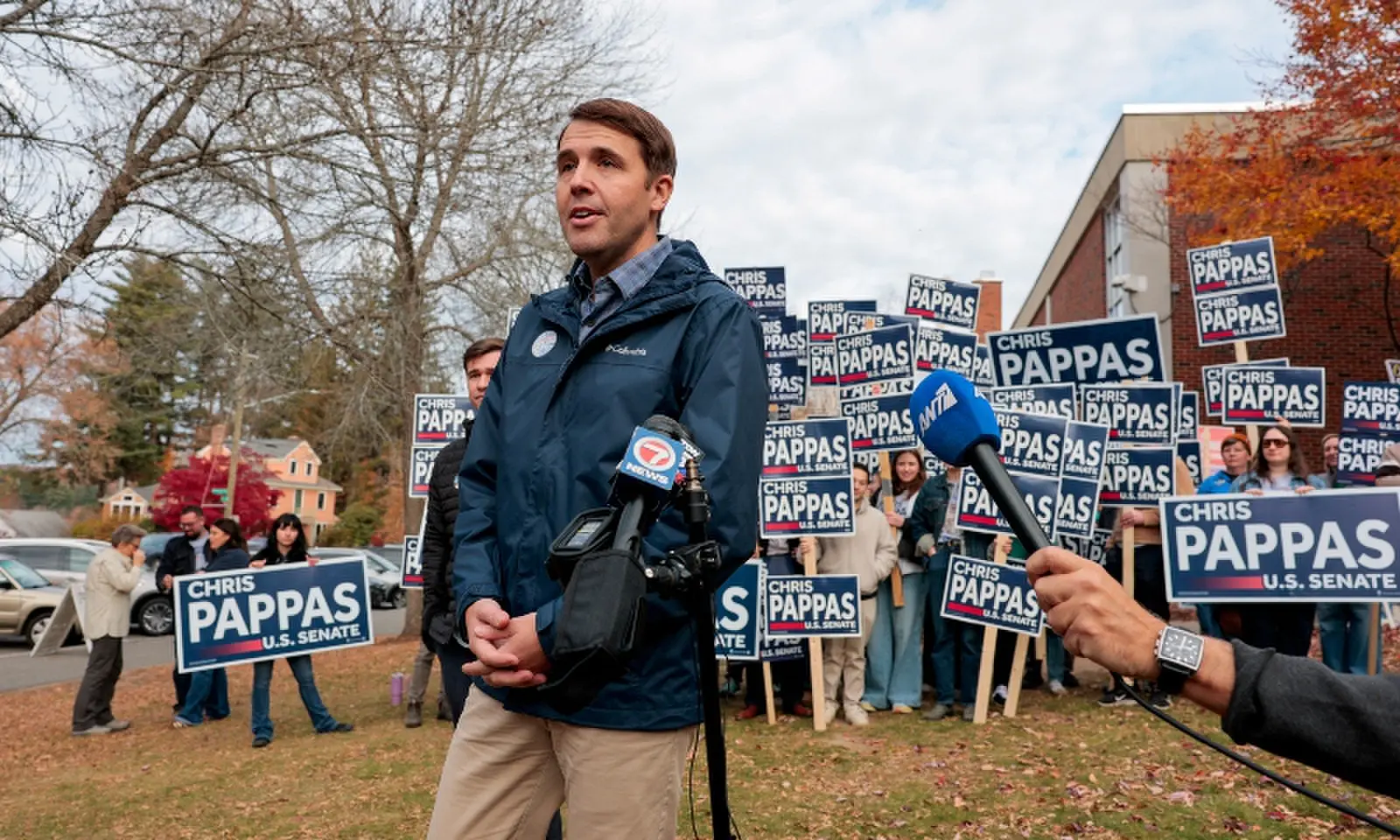
The monitors will check compliance with federal laws protecting voting rights, including the Voting Rights Act. Their responsibilities will also include overseeing protections for voters with disabilities and enforcing laws prohibiting voter intimidation and suppression based on race, colour, national origin or religion.
The department said its personnel would remain in contact with state and local election officials throughout Election Day.
It also urged voters who encounter violence, threats or intimidation at polling places to contact local police immediately by calling 911. Suspected violations of federal voting rights laws can also be reported to the Civil Rights Division.