Trump warns Iran to open Strait of Hormuz or get 'hit very hard'
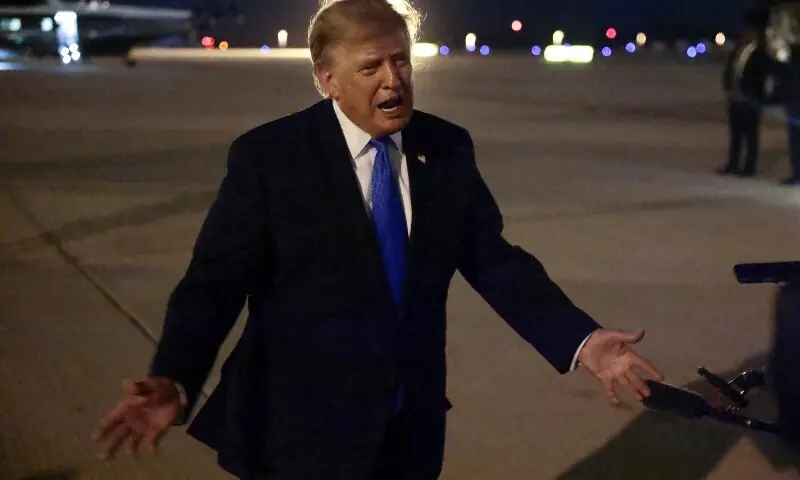
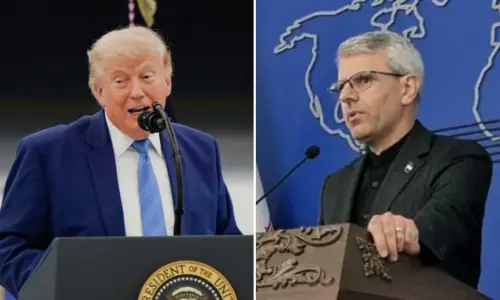
United States President Donald Trump said a deal to reopen the Strait of Hormuz could come as soon as Wednesday but warned Iran it would get “hit very hard” if negotiations fell through.
Transit of the waterway, a key conduit for global oil and gas supplies, has been a sticking point in talks and led to renewed fighting following an April ceasefire.
Iran has tightened its grip on Hormuz and wants to control the strait and charge tolls — powers it did not exercise before the war began on February 28.
Trump said on Tuesday a deal with Iran to reopen Hormuz could happen “tomorrow or the next day,” telling reporters in California that negotiators “had a very good day”.
Earlier, he struck a more threatening tone.
“The strait is going to be open very soon, or they’re going to get hit very hard — and then the strait’s going to be open,” Trump said in an interview with Fox News.
“All you can do is fight your way out.”
US Treasury Secretary Scott Bessent told CNBC earlier “there is a chance we may have a deal” by Wednesday or Thursday.
Underlining the volatile situation, one crew member was listed missing Tuesday on a merchant ship hit by a projectile in Hormuz, while an Indian ship in the Red Sea sank following an unattributed attack.
In what has become a regular pattern, Trump last week threatened to hit Iran “very hard”, potentially with attacks against civilian infrastructure, only to pull back, hinting a deal was near.
Iran’s foreign ministry has denied negotiations with Washington, even as Trump insisted they were happening.
Secretary of State Marco Rubio said on Tuesday that the US was involved in negotiations between Oman and Iran on increasing traffic through the Strait of Hormuz.
News outlet Axios reported on Tuesday that the US, Iran and Oman were nearing an interim deal to reopen the strait, which Washington was hoping to announce on Wednesday.
Axios, citing unnamed regional officials and a US official, said the deal on the table would be a 60-day arrangement for safe passage in the strait between Iran and Oman.
Deal or surrender
Qatar, which has been mediating negotiations, said that diplomatic efforts were ongoing but that no direct Iran-US talks were planned.
Its leader, Sheikh Tamim bin Hamad Al-Thani, spoke with Trump by phone on Tuesday, with Doha saying they discussed “efforts to de-escalate tensions.”
Trump had previously said he expected to know by Tuesday how the talks were going, “one way or the other”, but insisted “it’s not very complex”.
Washington’s diplomatic goals include reopening Hormuz and the denuclearisation of Iran, which Trump accepted could “take a little while.”
The president previously called Tehran “duplicitous” for saying it was not negotiating, adding that a US counter-blockade of Iranian ports would remain “unless a Deal, or Total Surrender, is accomplished”.
More than five months into a war that has cost Washington billions of dollars, Iran remains able to fire missiles and drones at US and allied targets in the region, as well as at commercial shipping.
Early on Tuesday, Britain’s maritime security agency UKMTO said an unnamed cargo vessel had been struck by an “unknown projectile” in the Strait of Hormuz off the coast of Oman.
Iran continues to impose an effective blockade on the strait and insists ships coordinate crossings with it.
Red Sea attack
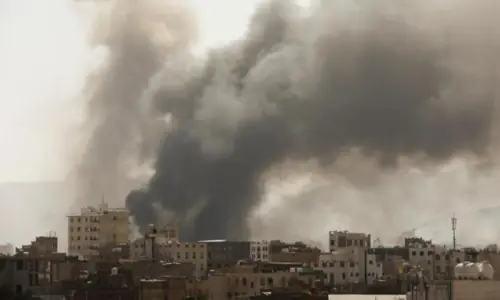
The disruptions in Hormuz have only placed greater importance on shipping lanes through the Red Sea, where Iran-backed Houthi rebels in Yemen have declared a maritime blockade on Saudi Arabia.
The Saudi Red Sea port of Yanbu has enabled it to keep up shipments to global markets by circumventing Hormuz entirely.
But since the Houthis announced their blockade, they have claimed attacks on multiple ships they say are in violation.
On Tuesday, the Indian ship MSV Faize Noore Oliya sank in the Red Sea off Yemen following an unattributed attack, with all of its crew rescued.
The Red Sea is a gateway to the Suez Canal, and a previous campaign of Houthi attacks on commercial vessels during the Gaza war forced shippers to instead take lengthy detours around the southern tip of Africa.