Iran, Oman near Hormuz deal after Trump calls off strikes


• Baqaei says this does not mean ‘reopening’ of the strait
• US president speaks to MBS; says ‘perimeter’ of a deal is there
• Pezeshkian terms Islamabad MoU ‘centre of gravity’ of Iran’s future foreign ties; Iranian official says efforts on to ‘revive’ agreement
• OPEC+ okays production quota increase of around 188,000 barrels per day from Sept
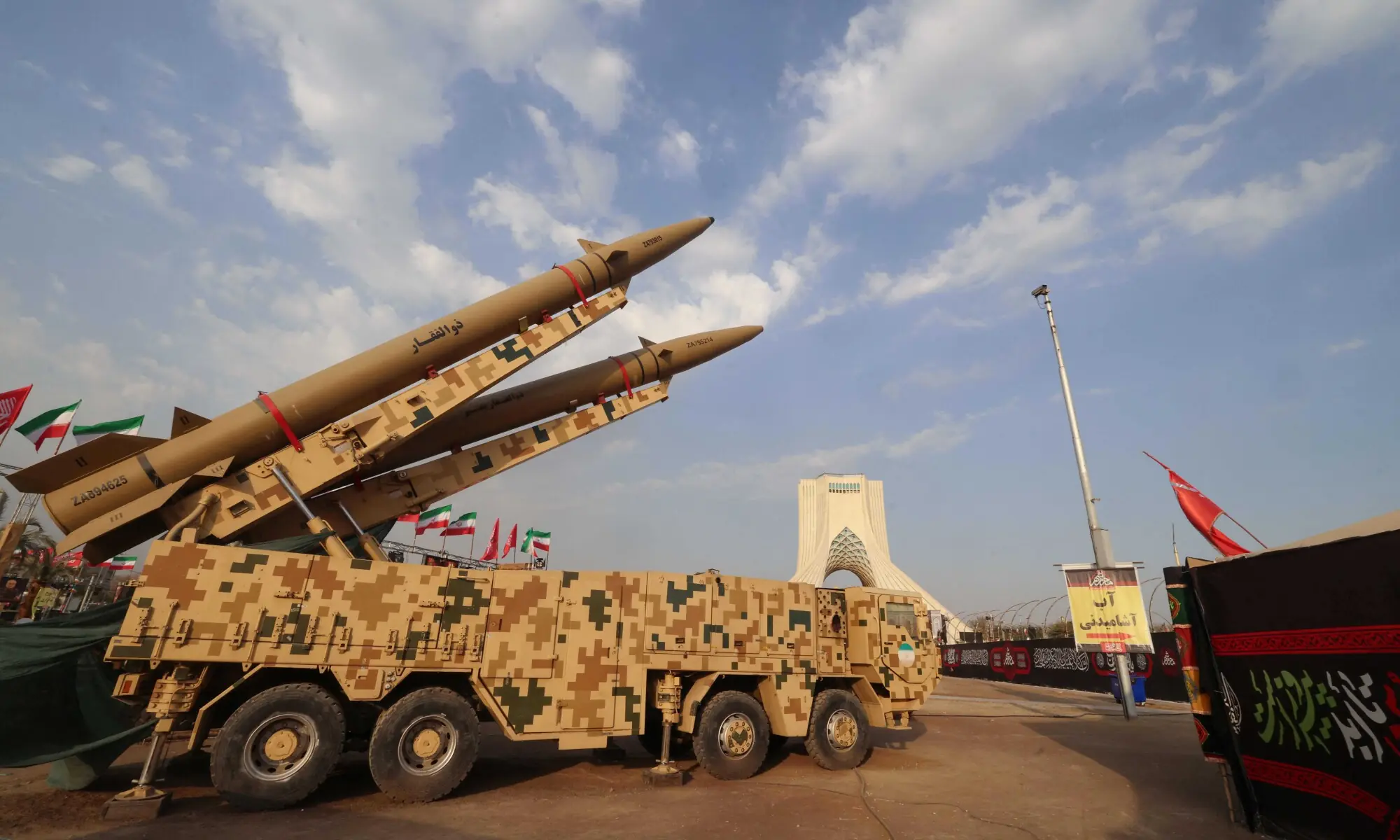
TEHRAN / WASHINGTON: Iran on Sunday said it was nearing a deal with Oman over a new route through the Strait of Hormuz, hours after the US called off major strikes to allow for diplomacy.
On Sunday, Iranian foreign ministry spokesman Esmaeil Baqaei told state television that a deal was close with Oman, which sits on the other side of the strait, over a new route through it.
“We are now going to reach an understanding on a route acceptable to both sides — neither the northern route nor the southern route — but one that respects the sovereign rights of both sides and safeguards our national interests and security,” he said.
He insisted though that such an agreement did not mean the reopening of the strait.
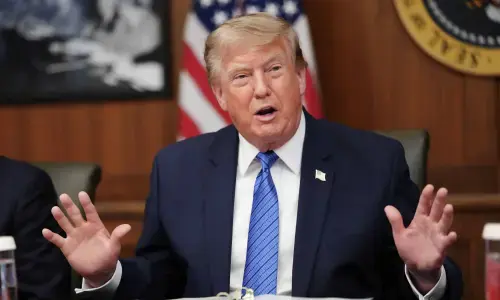
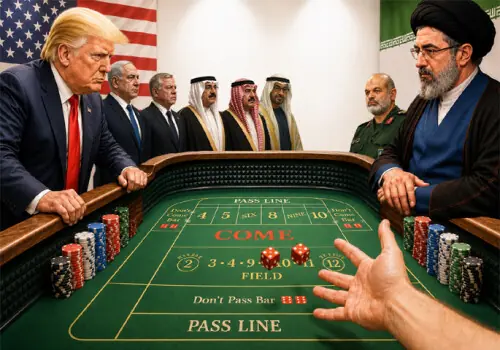
US President Donald Trump had said a day earlier that his country and Israel had agreed to hold off on new strikes on Iran, saying the “perimeter” of a deal was there.
The foes have been at war since Feb 28, when the US and Israel launched surprise strikes against Iran, though months of on-off diplomacy have led to periods of relative calm.
Earlier, the IRNA news agency quoted Foreign Minister Abbas Araghchi as saying that negotiations with Oman, the other littoral state on the Strait, “were on track for finalisation and were going through their final stages”, without providing further details.
Muscat did not immediately comment on the matter.
Following a return to strikes last month, fears had mounted that the fighting could escalate once again. Trump had threatened to hit Iran “very hard” and was reportedly considering renewed attacks including against energy infrastructure, with US embassies across the region on alert.
Maritime trade tracking firm Kpler said Friday that traffic through Hormuz had dropped sharply.
But the US leader appeared to have changed course after a flurry of diplomacy, including speaking with Saudi Arabia’s Crown Prince Mohammed Bin Salman.
In his call with Trump, the Saudi crown prince stressed the “necessity of prioritising dialogue to de-escalate tensions” in the Middle East, according to Saudi Arabia’s state news agency.
A White House official told Reuters that the two had spoken but did not provide details.
Trump said “we have just been asked by Iran, and other Middle Eastern Countries, to hold off any attack in that the perimeters of a deal has been agreed to”.
“Based on this request, I have agreed, for the future benefit of the WORLD and, likewise, the survival of a successful and prosperous Iran, to cancel the attack, subject to being able to rapidly make a DEAL,” Trump posted on his Truth Social platform.
It was not immediately clear what the US president meant about the state of negotiations. Iranian media denied that Tehran had asked Trump not to strike.
Efforts to ‘revive’ MoU
Referring to the Islamabad Memorandum of Understanding between Iran and the US, Iranian President Masoud Pezeshkian says that the country “must strive to compel the enemy to remain committed to what it has signed”.
In a post on X, he said, “The memorandum [of understanding] that was signed is the result of the collective wisdom of Shura Council’s members, and all members are in sympathy with it.”
“I believe this memorandum will be the centre of gravity of our foreign relations in the future. We must strive to compel the enemy to remain committed to what it has signed.”
“The security of the country, the region, and our allies will be enhanced by this memorandum,” President Pezeshkian stated.
His comments came after Iranian lawmaker Hassan Ghashghavi, spokesman for the parliament’s national security commission, said on Sunday that mediators were trying to revive the so-called Islamabad memorandum of understanding, which was agreed in June.
“They know that the main issue and, in fact, the key to the matter right now is the issue of the Strait of Hormuz, so yes, there is an exchange of views,” Ghashghavi said.
OPEC+ oil quota increase
Meanwhile, OPEC+ approved an oil production quota increase on Sunday of around 188,000 barrels per day from September, the producer group said, in a move that completes the unwinding of a layer of voluntary output cuts.
Due to export disruptions from the Gulf, Russia and Kazakhstan caused by the Iran and Ukraine wars, successive monthly OPEC+ hikes over most of this year have remained largely on paper with little impact on the market.
The September increase finishes the phased rollback of a 1.65 million bpd supply cut originally agreed in 2023.
Published in Dawn, August 3rd, 2026