Rawalpindi’s historic Urdu Bazaar losing its literary identity
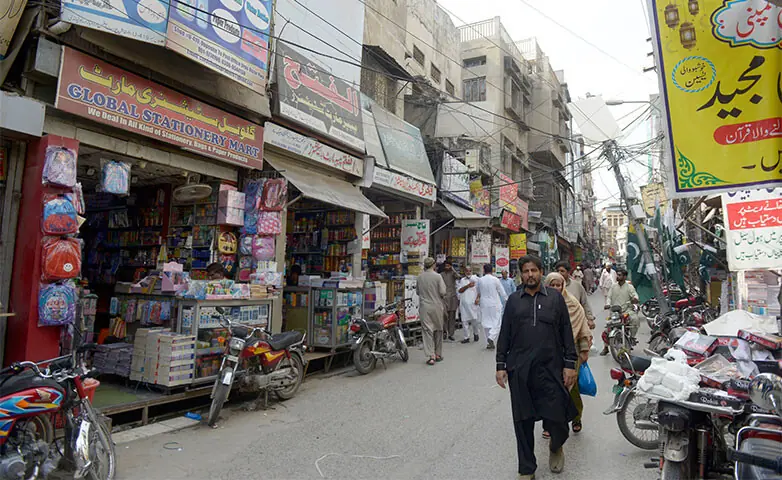
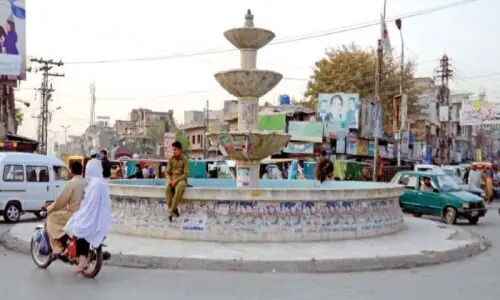
In 1875, the British established a post office in a narrow street leading from Bohar Bazaar to Purana Qila, marking the beginning of Urdu Bazaar in Rawalpindi.
The area developed to provide books, paper and stationery to the Potohar region, but its literary identity is gradually fading.
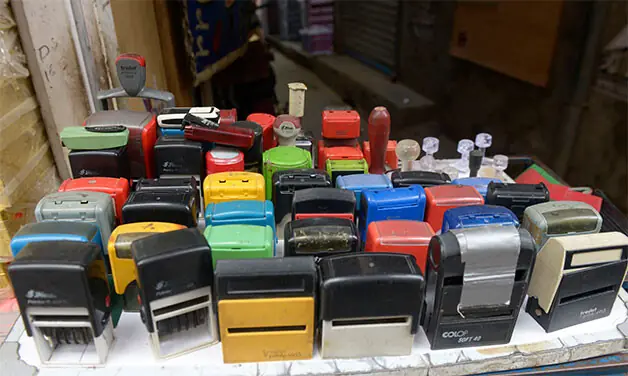
Urdu Bazaar has long been the main hub for literature, textbooks, paper, pens and pencils, stamps, office seals and bookbinding services. It is home to wholesale stationery shops, manual and automatic rubber stamp makers, and a large bookbinding market.
Before the partition of the Indian subcontinent, the bazaar catered to government offices and schools. Although some printing presses were established, most people went to Lahore and Delhi for book publishing, while shops in Urdu Bazaar mainly dealt in paper and stationery.
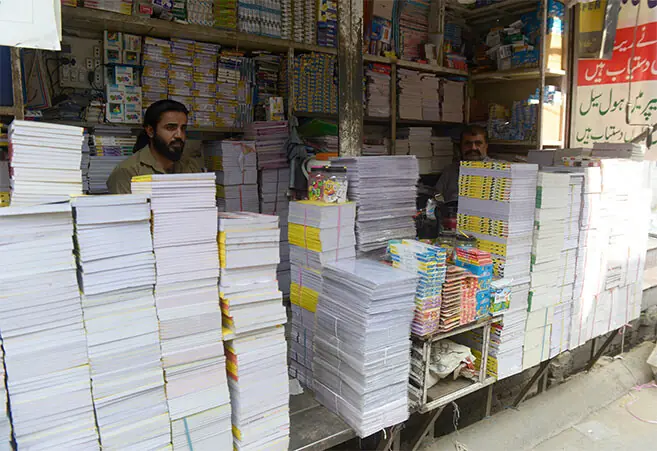
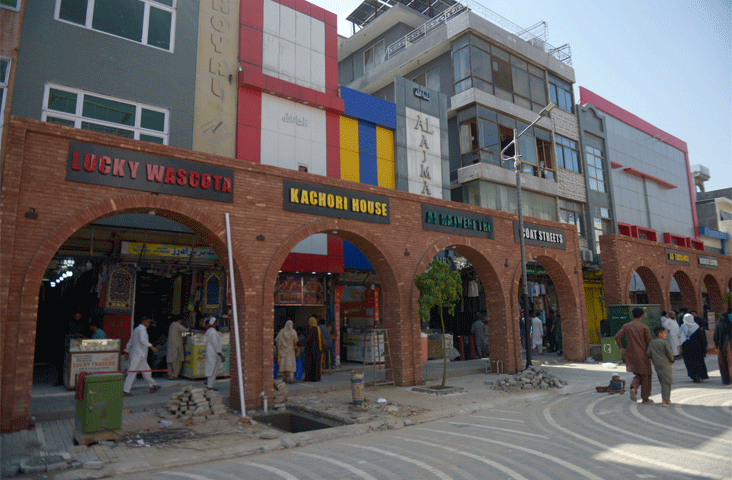
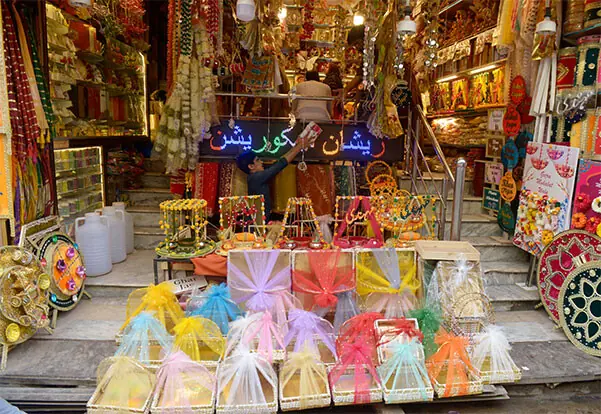
After the creation of Pakistan, the bazaar became a centre for book publishing and printing. However, over the years, bookshops have steadily disappeared, making way for bridal wear and decoration shops.
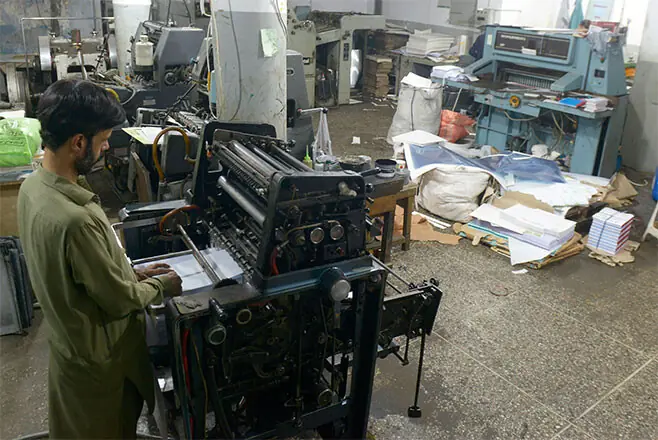
A walk from Purana Qila to Urdu Bazaar shows that many of the shops along the main road have been converted into bridal and decoration outlets, while most of the remaining printing presses now focus on printing wedding cards and similar material.
The remaining shops deal mainly in textbooks, notebooks and stationery.
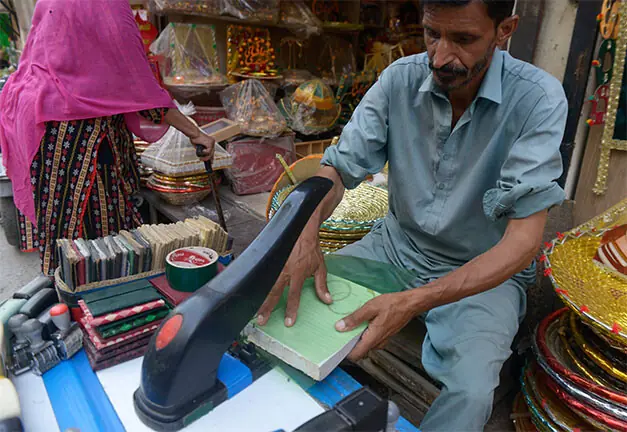
A few stamp makers, office seal manufacturers and bookbinders are still operating, but many have been unable to continue their traditional craft because of modern alternatives such as spiral binding and digital stamp-making technologies.
Former District Nazim Raja Tariq Mehboob Kiani told Dawn that Urdu Bazaar was established in the garrison city before the creation of Pakistan and that students and office workers purchased all kinds of books and notebooks from the market.
“Most printing presses were established in the Gawalmandi area, but books and other material were sold in this bazaar. It was part of the literary identity of the Potohar region, serving people from Jhelum to Azad Jammu and Kashmir,” he said.
He said there used to be a large number of stores dealing in books, magazines and other reading material until the 1980s.
“Now, bookstores are scattered across different parts of the twin cities of Rawalpindi and Islamabad,” he added.
Muhammad Abdullah, an elderly resident of the neighbourhood around Urdu Bazaar, said that after the federal capital shifted from Karachi to Islamabad in the 1960s, many people from Lahore and Karachi came to establish book and stationery shops in the area. However, after the development of Islamabad, many of them relocated there. He said the bazaar was once the main centre for books and related material.
All office stationery for government departments, embassies and other institutions was purchased from the market. “In the past, office stamps, office seals and bookbinding services were provided here. After digitalisation, the use of stationery declined, and many shopkeepers switched to other businesses,” he said.
Urdu Bazaar Traders Association President Ahmed Akhter Hashmi told Dawn that many shops and printing presses have shifted to other areas for several reasons.
“The literary character of this bazaar has vanished because of the declining interest in literature. People also avoid coming here because of the narrow lanes, lack of parking and other issues.
The decline in book reading has affected book sales, forcing many shopkeepers to convert their businesses into stationery shops, bridal stores and cloth shops,” he said.
Speaking about the printing industry, he said many printing press owners had shifted their businesses to other parts of the twin cities.
He added that his grandfather established their shop in 1947 after migrating from Lahore, but today they deal only in textbooks, notebooks and stationery.
Published in Dawn, August 3rd, 2026