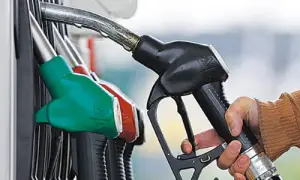
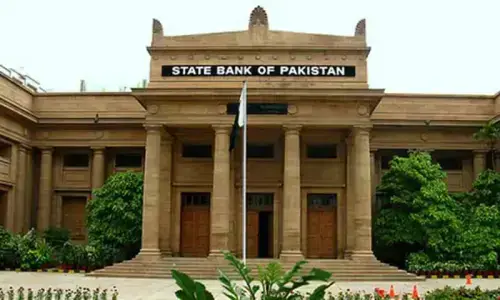
THE State Bank’s decision to hold the policy rate at 11.5pc is a prudent response to the heightened risks the economy faces on account of the renewed conflict in the Middle East. The economy has gained some measure of stability, but the foundations remain fragile. Inflation has moderated, but remains above the SBP target range of 5-7pc, even if the bank expects it to fall gradually, most likely near the upper limit, going forward. Foreign exchange reserves have improved, the external account is broadly manageable due to a consistent rise in remittances and economic activity is showing signs of modest recovery. Still, much of this stability remains vulnerable to external shocks and could quickly come under pressure from higher global commodity prices, rising input costs, food inflation, domestic energy prices adjustments and climate-related events. The Middle East crisis makes the risks particularly acute. Pakistan remains heavily dependent on imported energy. Any sustained surge in energy prices would further push up the import bill, intensify inflationary pressures and put pressure on the current account and currency. The relief provided by the earlier de-escalation could be reversed.
The bank’s decision to wait, therefore, reflects a sensible balancing act. A premature rate cut could fuel inflation and weaken external stability. But the monetary policy has its own limitations. On its own, it cannot insulate Pakistan from oil shocks, fix the tax system, reform the energy sector or raise productivity. That is where the government’s responsibility begins. The present stabilisation has been achieved at a considerable economic and social cost. It cannot become an end in itself. Heavy external financing requirements, debt repayments and continued dependence on refinancing mean that we remain exposed to shifts in global markets and geopolitical conditions. An improved sovereign credit rating and stronger reserves provide breathing space. But neither should be confused with economic security. The message of the policy rate decision is more important than the decision itself. The government must use this breathing space to address the structural weaknesses that have pushed Pakistan towards economic crises. The challenge is not just to protect stability but to turn it into sustainable growth by increasing exports, attracting investment and creating employment without landing the country into another balance-of-payments crisis.
Published in Dawn, July 29th, 2026