Banks upset as SBP ends remittance incentives
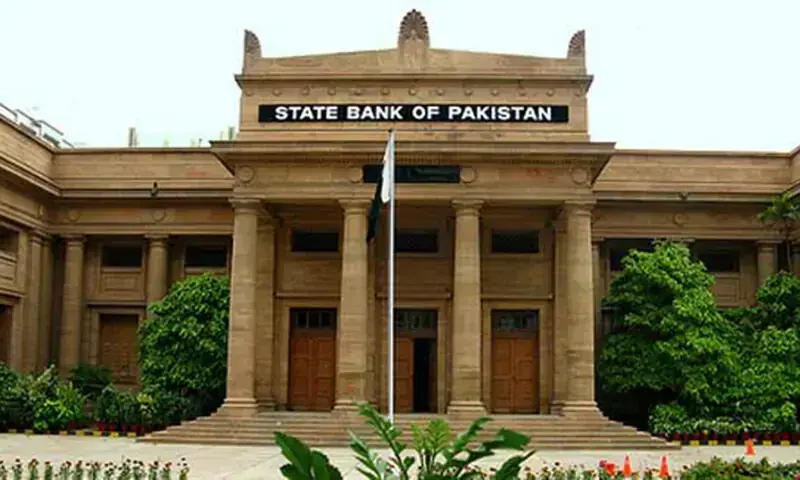
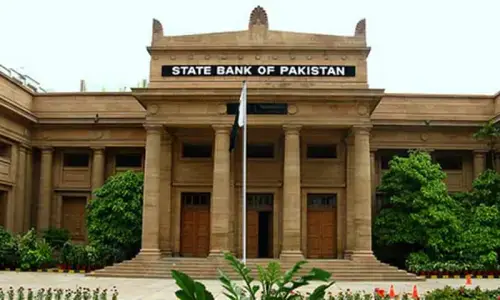
KARACHI: Banks have expressed disappointment over the State Bank of Pakistan’s decision to abolish two incentive schemes meant to attract remittances, but financial sector experts believe the move is unlikely to significantly affect the profitability of the banking sector.
The State Bank on July 2 discontinued incentives being paid to banks to attract higher remittance inflows. The amount paid under the schemes had become so large that the International Monetary Fund reportedly criticised the incentives.
The SBP issued a circular on Thursday announcing that the Sohni Dharti Remittance Programme had been discontinued from July 1. At the same time, the State Bank also discontinued the Telegraphic Transfer Charges Incentive Scheme (TTCIS), another incentive for banks.
“It is informed that the TTCIS is discontinued with effect from July 1, 2026. However, the Authorised Dealers will continue to implement the scheme at their end while preserving its key features,” an SBP circular said.
The State Bank said banks would ensure that home remittance transactions meeting the criteria laid down in the circular remained free of cost for senders and beneficiaries.
Since the State Bank advised banks to continue the TTCIS at their own end, bankers have expressed concern that they will now have to bear the cost earlier paid by the government.
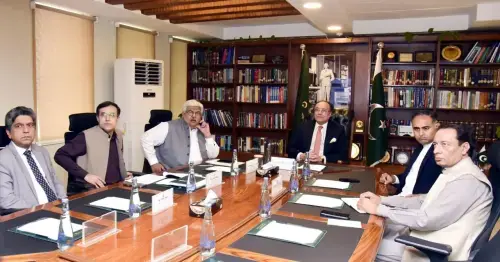
The Pakistan Banks Association (PBA) held a press conference on Saturday and said banks would have to absorb the cost.
PBA Chairman and Bank of Punjab CEO Zafar Masud said banks were in the consultation phase to find a solution to finance remittance inflows.
Bank Alfalah Chief Executive Officer Atif Bajwa said the SBP’s decision would dent banks’ profitability.
However, banking experts said that in the era of high-tech banking, the old TTCIS, introduced in the early 1980s, should have been abolished in the 1990s, but billions of rupees continued to be paid to banks as incentives.
They said banks had remained one of the most profitable sectors in Pakistan. They said banks were earning largely through investment in government papers, incentives and higher dollar rates charged while selling foreign exchange to importers.
Banks earned a profit of Rs640 billion in calendar year 2025, while the rate of profit in the first quarter of 2026 was even higher.
Experts familiar with the financial sector said banks would continue to receive incentives under the Pakistan Remittance Initiative (PRI). Banks get 1pc to 2pc on remittances, depending on the volume of transactions, with higher inflows through a bank yielding a higher percentage of profits under the PRI.
State Bank Governor Jameel Ahmad has said remittance inflows would continue to rise in FY27 despite the discontinuation of the incentive schemes. The PBA has also assured that banks would continue efforts to increase remittances.
With rising labour exports, Pakistan has recorded significant growth in remittances over the last three years. Remittances reached $40bn in FY25 and may reach $41bn to $42bn in FY26.
A currency expert said growth in remittances was almost the same in all labour-exporting countries. Pakistan expects higher remittances as labour exports continued despite the war in the Gulf region, he said.
Published in Dawn, July 5th, 2026