For new PFF technical director Adeel, success is not defined by history


 0
0
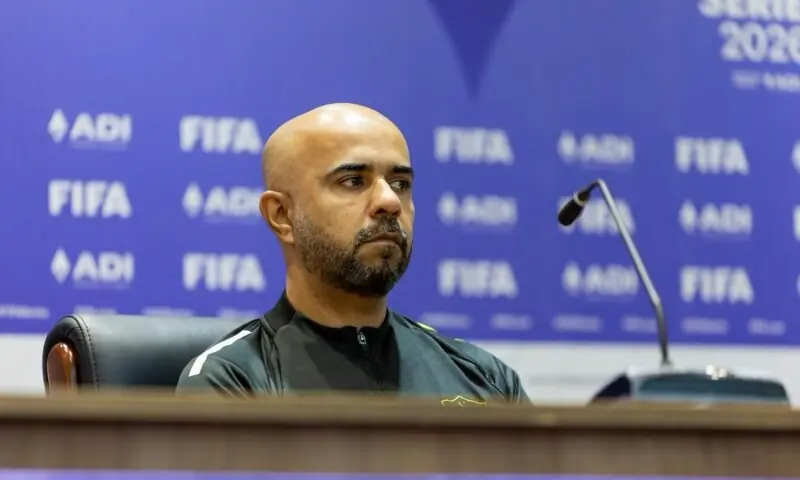

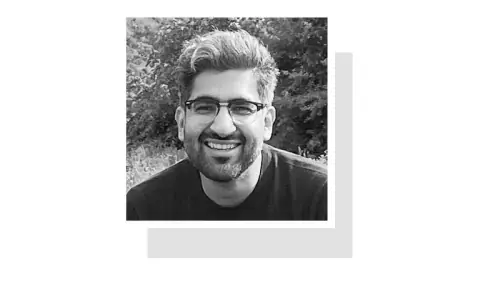
KARACHI: WHEN Cape Verde, a nation of just over 500,000 people, reached the knockout stage of the FIFA World Cup, it was a moment of clarity for Adeel Rizki — Pakistan’s Football Federation’s newly appointed technical director.
Adeel took over the role on Wednesday, amid the festive World Cup season and quadrennially arising questions over Pakistan’s future in the sport.
The former Pakistan women’s national team coach and a UEFA ‘A’ coaching licence holder draws inspiration from the West African island nation, which qualified for the World Cup for the first time in their history this year.
“It shows that success in modern football is no longer determined only by history or population,” he told Dawn in an exclusive interview following his appointment.
“Nations that build strong football structures, invest in youth development, educate coaches and create a clear playing identity can compete with countries that traditionally seemed much stronger.”
Adeel becomes Pakistan’s first technical director since 2021, but more importantly the first appointed by an elected PFF leadership which took charge a little more than a year earlier following 10 years of infighting that pushed the sport in the country into quagmire.
Adeel, therefore, has to start from scratch.
And his task is monumental: build a football system where none exists, map a pathway to the World Cup and do it all without a functioning domestic league.
The roadmap to the world cup
Eight teams from Asia are guaranteed direct slots in the 48-team World Cup while one more team from the continent can qualify through a playoff.
For teams ranked as low as Pakistan (currently 198th in the FIFA rankings), the qualification cycle begins in a cut-throat manner — a two-legged playoff which has to be won for the side to progress to the qualification group stages.
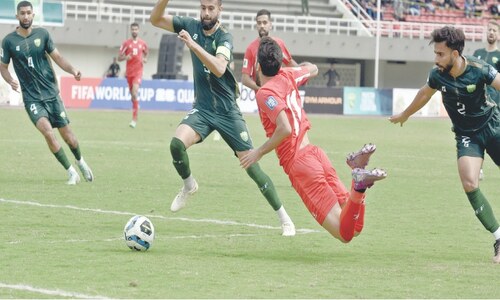
The 2026 World Cup qualification cycle saw Pakistan beat Cambodia in the playoff to make history and get a taste of the qualification process.
The side needs to be better prepared for the next cycle, which starts in October 2027.
“World Cup qualification begins long before the qualifiers themselves,“ Adeel said.
His roadmap starts with strengthening the player development pathway, improving coaching standards, expanding talent identification, ensuring youth national teams play regularly and increasing meaningful international exposure.
At the senior level, he wants greater continuity in player preparation, stronger domestic competition and better integration of overseas Pakistani players.
“Our immediate objective is to consistently compete in the early qualification rounds and improve our FIFA ranking,” he said. “Every cycle should leave Pakistan stronger than the previous one. World Cup qualification is an ambitious long-term goal, but sustained progress is built step by step.”
The league gap
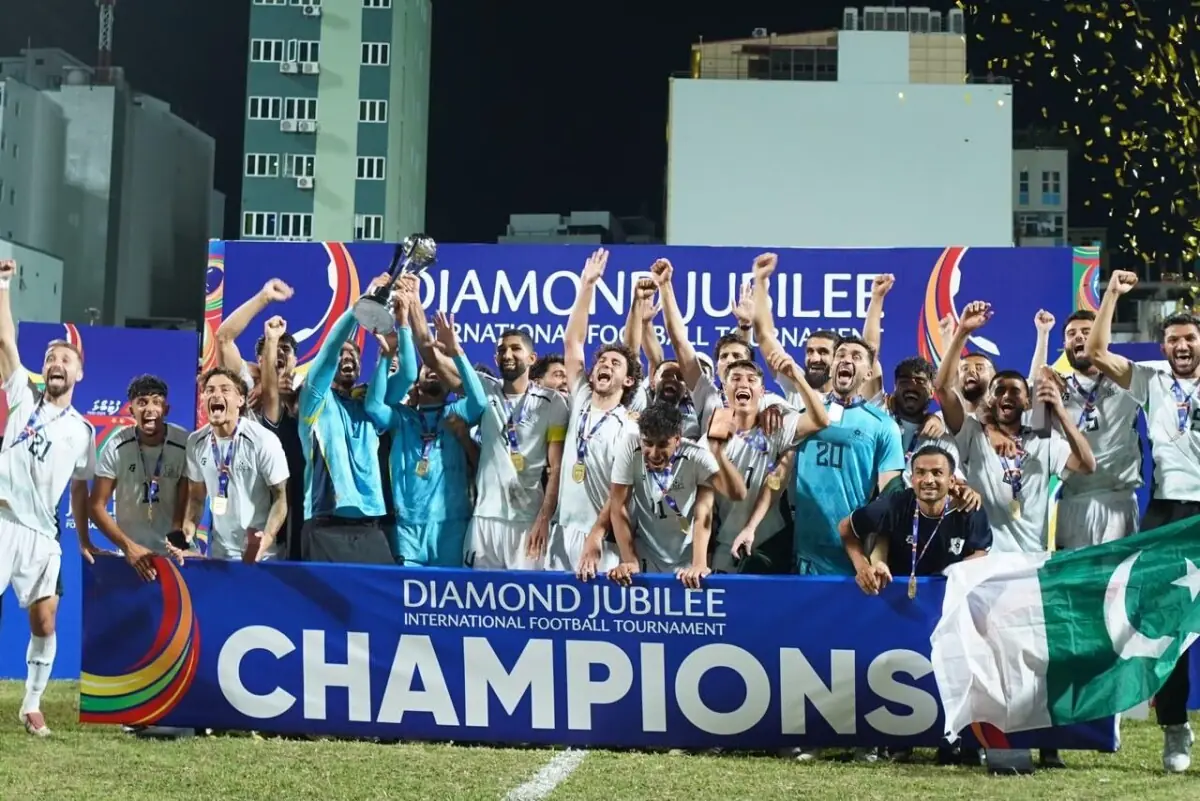
The question that hangs over Pakistan football is the one Adeel cannot fully answer: when will the professional league return?
He didn’t promise a date. He didn’t offer a timeline. Instead, he talked about the pyramid.
“A healthy football pyramid needs every level connected,” he said. “District competitions create participation. Youth competitions identify talent. The domestic league provides the daily environment where players continue to improve.”
But Adeel is careful not to overpromise.
“While league implementation involves multiple departments within the federation, my responsibility is to ensure that the technical pathway is ready,” he said.
“That means aligning youth competitions with club development, establishing player registration and monitoring systems, and ensuring our technical standards are consistent throughout the pyramid.
“Every part of the system should feed the next stage.”
The foundations
In a country like Pakistan, which has a population of over 240 million, “talent exists everywhere”, Adeel said. “Opportunity does not,” he added.
The district championships, recently announced by the PFF, are an important starting point.
“They allow us to reach communities that have traditionally been outside the national football system,” he said.
Adeel’s goal is to build a nationwide scouting structure involving regional scouts, provincial associations, clubs, schools and academies.
He wants standardised player reporting and databases so talented players are followed consistently rather than discovered by chance.
“No player should be overlooked simply because of where they were born.”
Coach education is another priority. Adeel called it “one of the highest-return investments any football federation can make.”
“Pakistan has many dedicated coaches who have worked tirelessly despite limited opportunities,” he said.
“We will expand coaching courses across all regions, strengthen continuous professional development, introduce mentoring for developing coaches and encourage knowledge sharing between domestic and international experts.”
Better coaches, he believes, create better players.
On facilities, he is honest.
“Infrastructure cannot be built overnight,” he said. “Our approach is to maximise existing facilities while working with government institutions, provincial authorities, educational institutions and the private sector to increase access to quality pitches and training environments.”
But he adds that football development should not stop because facilities are limited.
“Many successful football nations began with modest infrastructure and improved gradually while building strong coaching and player development systems. Both infrastructure and human development must progress together.”
The U-16 experience
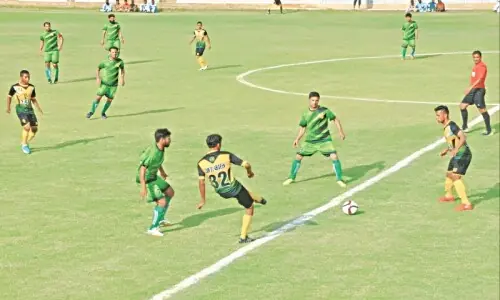
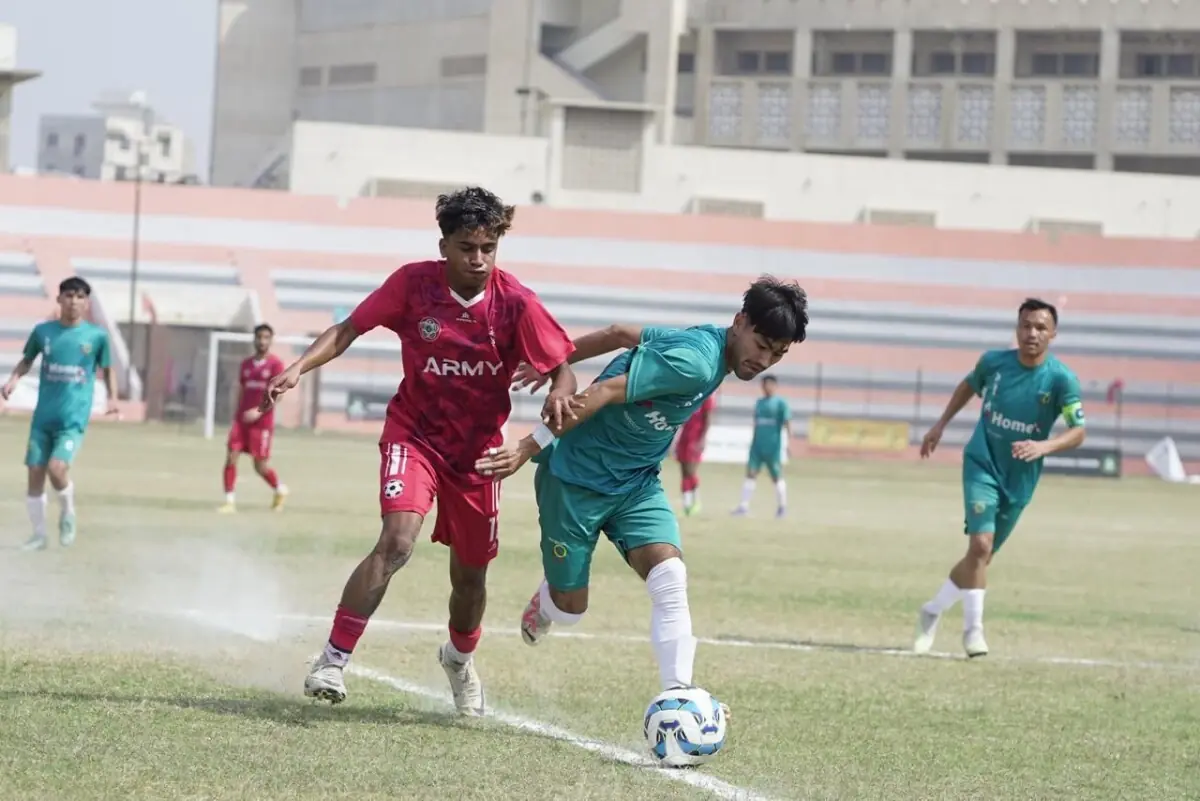
Pakistan’s U-16 boys lost three matches in a UEFA developmental tournament in Kazakhstan two months ago. The results were difficult, but Adeel sees the value in the experience.
“International football at youth level is about learning, not only winning,” he said. “Those players have now experienced the pace, physicality and tactical demands of European opposition.
“That experience becomes valuable only if they continue training together, receive regular coaching and compete consistently over the coming years.“
He is clear about the responsibility.
“This group should not disappear after one tournament. We want to follow their development, provide continued opportunities, and help them progress towards the senior national team.”
Just the beginning for women’s football
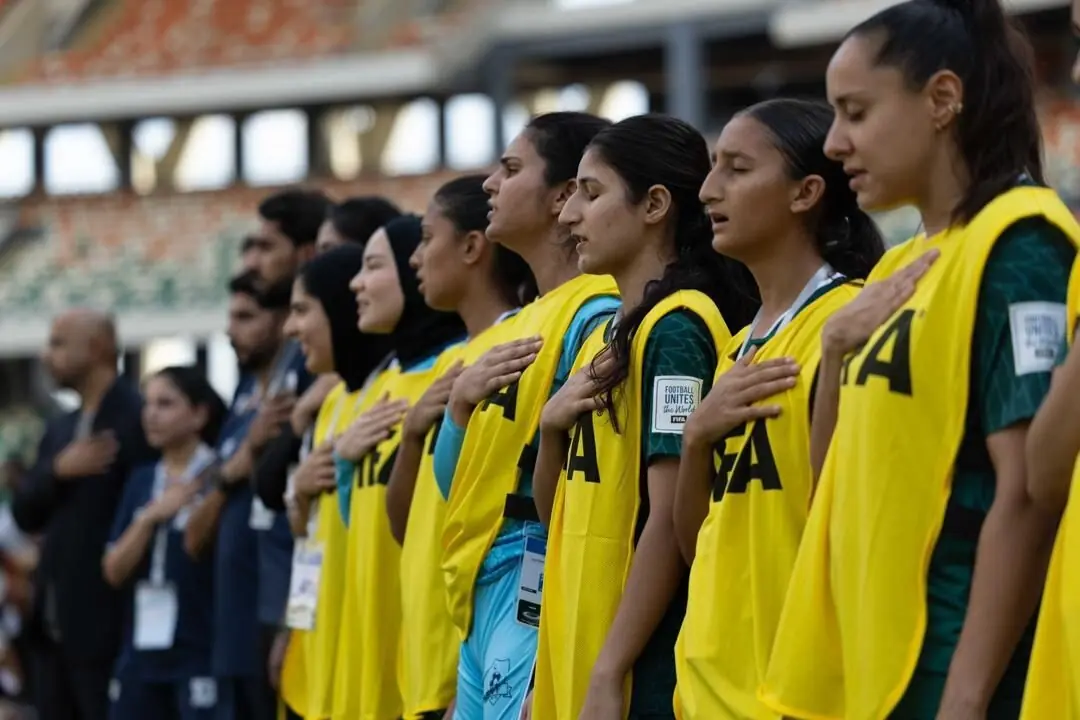
The Pakistan women’s national team made history by participating in the inaugural FIFA Series earlier this year, while also registering an 8-0 win over Turks and Caicos Islands.
It was their first FIFA event. Adeel, who coached them through that campaign, now sees it from a broader perspective.
“The FIFA Series was an important milestone, but it should be viewed as the beginning rather than the destination,” he said.
Sustainability, he believes, comes from creating opportunities at every level. More girls playing football, stronger youth competitions, qualified female coaches, regular domestic football, improved talent identification and clear progression into the national teams.
“Success should not depend on one generation of players,” he said. “It should become a continuous pathway that produces talent year after year.”
Adeel revealed he has relinquished his PFF Congress membership before his appointment as technical director last month.
“The technical director’s responsibility is to serve football objectively,” he said. “Stepping away from the Congress ensures there is no conflict between governance and technical decision-making.
“Technical decisions should always be based on what is best for player development, coaching, competitions, and the long-term interests of Pakistani football.”
Defining success
While football development plans are ideally spread across years and in some cases decades, Adeel has a clear criterion to gauge success 12 months into his stint.
“In the next year, success means putting strong foundations in place,” Adeel said.
“I want to see competitions operating successfully, national youth competitions becoming regular, expanded coach education programmes, an active national scouting network, clear technical standards across all age groups, better integration between clubs and national teams and stronger collaboration with provincial associations.
“If, after 12 months, Pakistan has a more organised football development system than it has today, then we will have taken an important step in the right direction.”
Football development is a marathon, not a sprint. Adeel knows this. He is not promising a World Cup tomorrow. He is promising something rarer: a plan, a pathway, and a commitment to building something that lasts.
His words carry a quiet urgency. Pakistan has potential. The question is whether the structures will ever catch up.
“Success is no longer determined only by history,” he said. “Nations that build strong football structures can compete.”
The challenge now is to build them.
Published in Dawn, July 4th, 2026