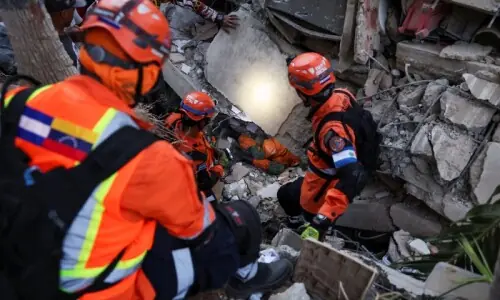
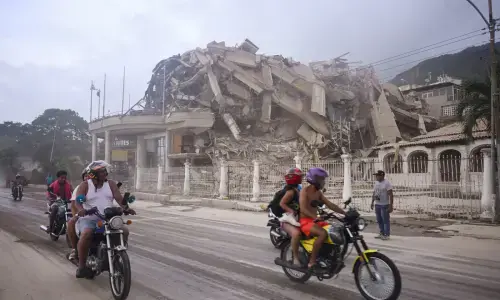
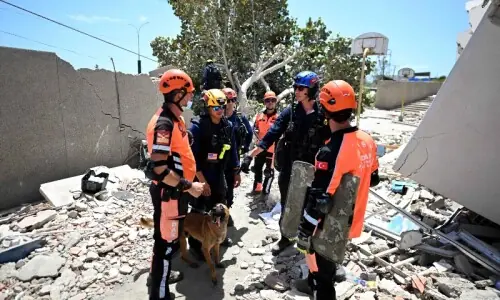
Rescuers dig out Venezuelan man eight days after quakes; death toll nears 2,300
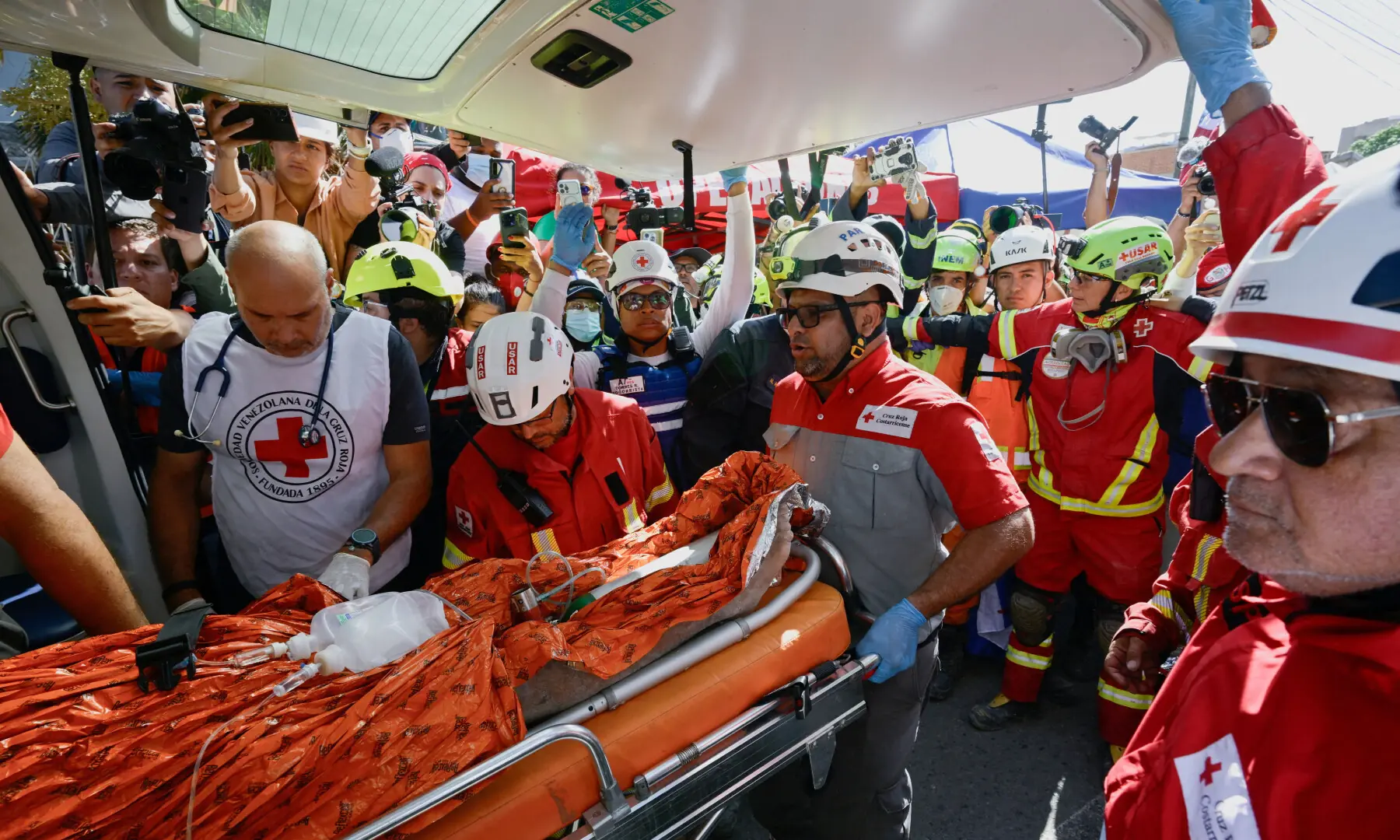
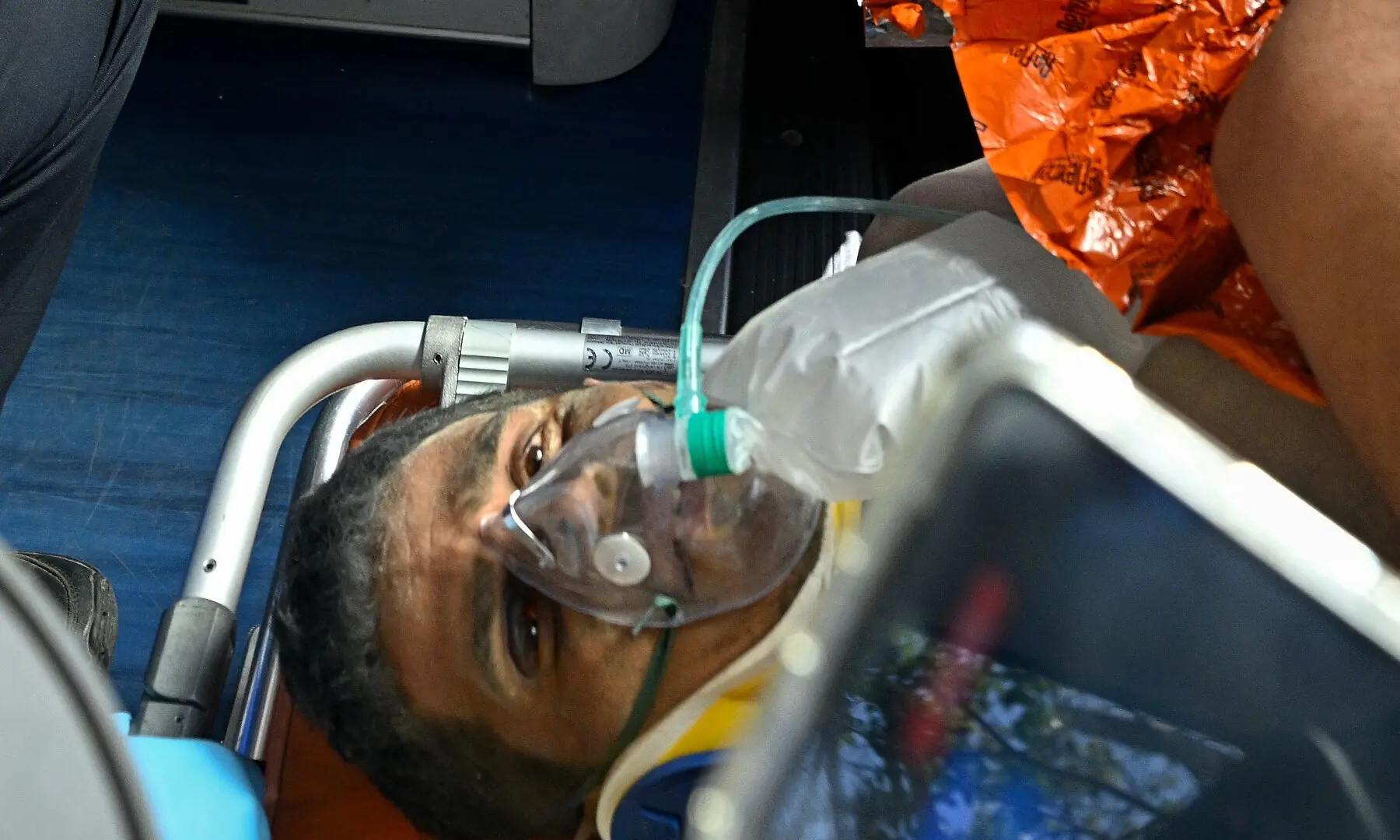
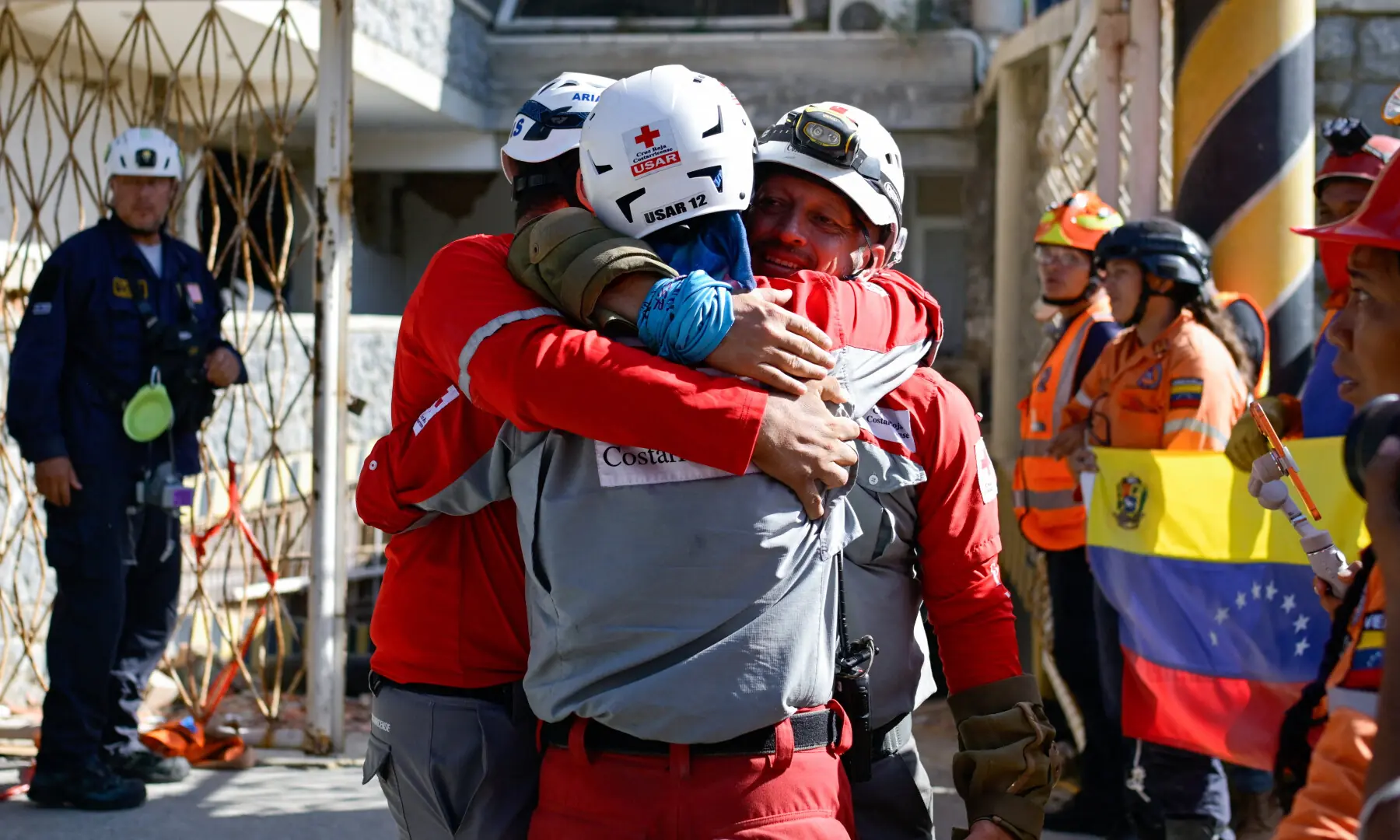
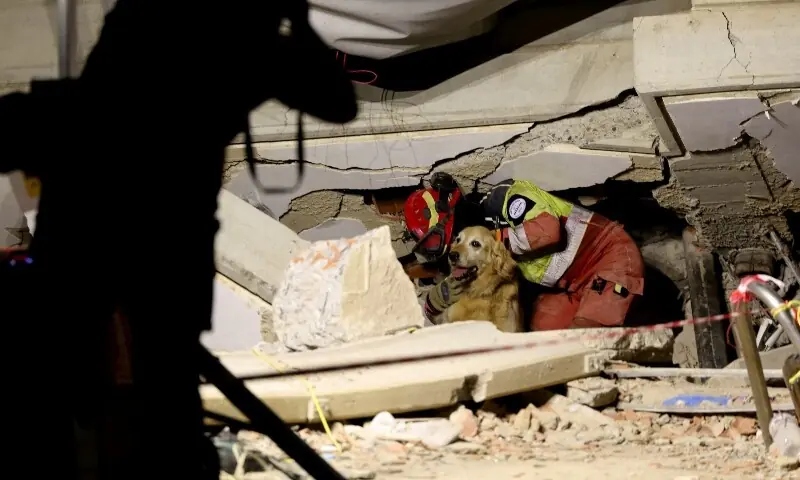

Hundreds of rescuers in Venezuela cheered and embraced Thursday after pulling a 43-year-old man alive from the ruins of a collapsed building eight days after deadly twin earthquakes, AFP journalists witnessed.
With the official death toll nearing 2,300 and huge numbers of people still missing, the rescue of security guard Hernan Gil after so long under the rubble was greeted as a miracle.
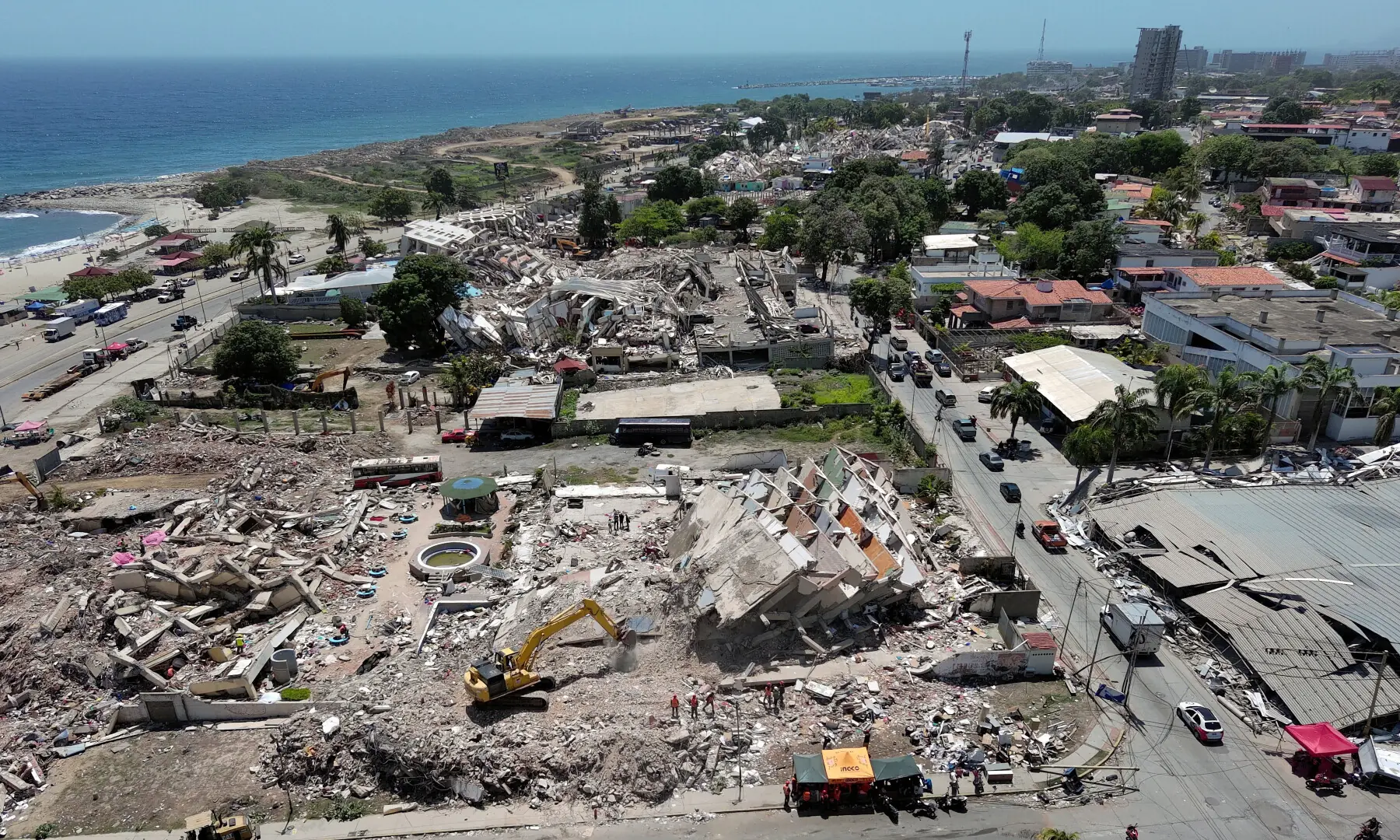
Gil was brought out on a stretcher after a painstaking operation to extract him from the collapsed seven-story building where he worked in Catia La Mar, a coastal area almost entirely razed to the ground in the June 24 catastrophe.
“This is truly a miracle,” Gil’s wife Gusbimar Gonzalez told AFP before his rescue.
“I’m completely amazed because it’s the first time I’ve seen so many countries come together like this to save a single person,” she said.
Rescue teams from seven countries — Venezuela, Chile, the United States, Portugal, Costa Rica, El Salvador, and Mexico — worked around the clock over the past three days to reach him.
It was a complex operation in which teams had to avoid provoking the further collapse of already damaged, nearby structures.
“It wasn’t easy to reach the exact spot where the victim was located,” Cristian Vera, the leader of the Chilean rescue team, told AFP.
However, while there have been a few astounding rescues — a three-year-old boy was found Tuesday six days after the quake — hope has faded of finding many more survivors.
No signs of life
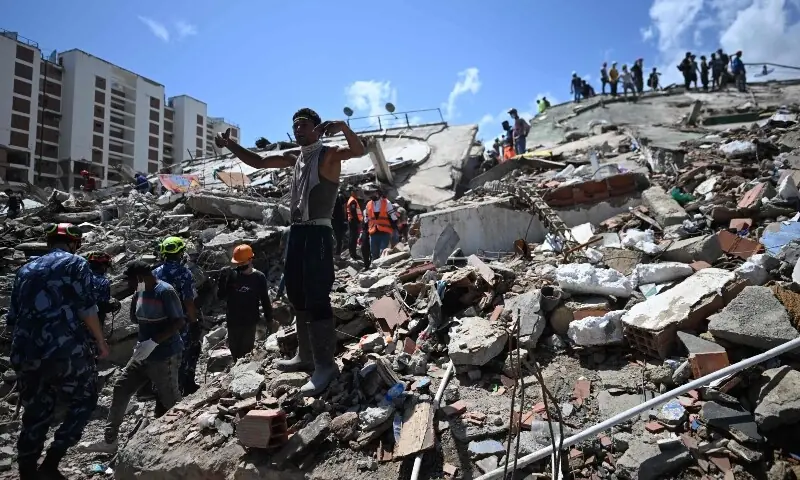
The majority of collapsed buildings in the hardest-hit city of La Guaira, just north of Caracas, have been marked with the letter ‘D’ for ‘deceased’ – a sign they had been searched with no signs of life found.
“Time isn’t wasted in a place where there is no expectation of recovering people alive,” said Javier Rodes, the coordinator of a Spanish rescue team whose sniffer dog Nala searched in vain through the rubble for traces of life.
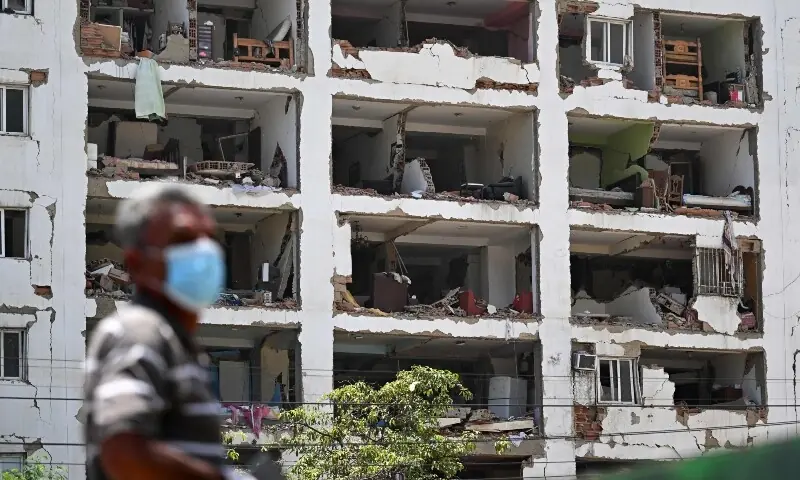
Venezuela’s National Assembly President Jorge Rodriguez said on Wednesday that the number of deaths had risen to 2,295, and more than 11,000 people were injured.
He said almost 13,000 people had been left homeless.
Tens of thousands of people remain unaccounted for.
Venezuela’s interim president Delcy Rodriguez on Wednesday declared seven days of mourning, saying the country’s “soul is torn apart by the human losses”.
The two powerful quakes, measuring 7.2 and 7.5, shattered entire neighbourhoods in oil-rich Venezuela, which has suffered decades of economic crisis that devastated infrastructure and health services.
The country is also in a fragile political transition six months after the United States ousted leader Nicolas Maduro.
Fight for survival
The focus is now shifting to survival for those who escaped the quakes.
Many are homeless and food and water are becoming scarce.
There have been widespread reports of theft. On Wednesday, four police officers were arrested after being caught by residents stealing valuables from the rubble.
Queues for aid are growing longer by the day, with many surviving on the goodwill of volunteers and donations from fellow citizens.
“Here, we were receiving nothing until last night when they started bringing water,” said 56-year-old Fatima Berroteran, who has been sleeping with her family in a parking lot since their home in a high-rise complex in La Guaira collapsed.
The World Food Programme (WFP) on Tuesday appealed for $50 million to feed some 500,000 people for three months in Venezuela.
Risk of disease
Fears of disease were also rising.
World Health Organisation (WHO) spokesman Christian Lindmeier said health services in Venezuela were under “extreme pressure”.
“There’s an increased risk now of outbreaks of vaccine-preventable diseases” such as measles and diphtheria, due to low pre-earthquake vaccination coverage, he said.
The quakes likely damaged or destroyed 58,870 buildings, according to a preliminary assessment of satellite data published by Nasa.