Life begins returning to normal in AJK
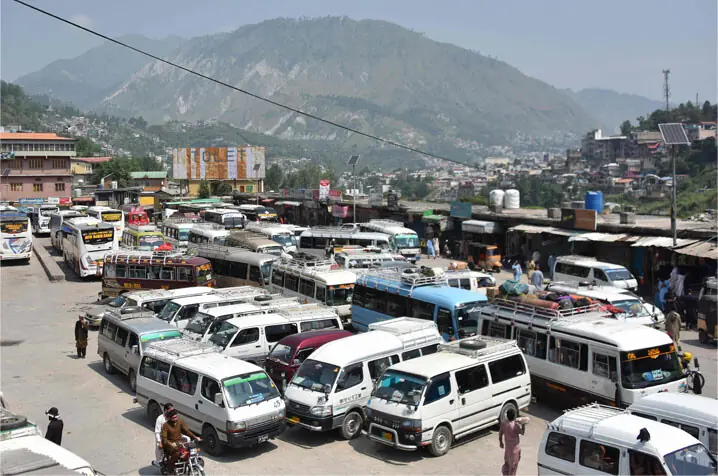
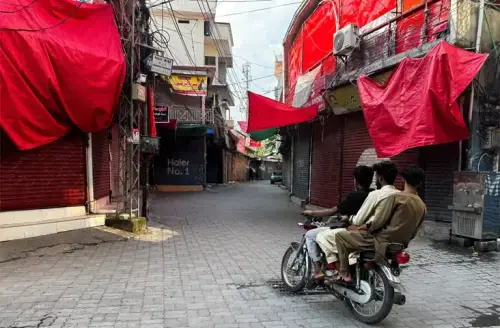
MUZAFFARABAD: Life began returning to normal in Azad Jammu and Kashmir’s (AJK) capital on Monday after traders and transporters ended their weeks-long shutdown, with commercial activity resuming in many parts of the city and public transport returning to the roads.
The reopening followed a joint decision by the central traders’ body and transporters’ representatives after the region had remained largely paralysed since June 9 due to a strike called by the proscribed Joint Awami Action Committee (JAAC).
Although traders estimated that between 50 and 70 per cent of businesses had resumed operations across Muzaffarabad, they said the restoration of commercial activity remained far from complete because of the continued suspension of internet services, disruption of online banking, limited banking operations and the shortage of fuel.
The city’s major roads, deserted for weeks, witnessed the return of regular traffic, while passenger transport services resumed on local and inter-district routes.
In the downtown commercial district, however, business activity remained patchy. In Madina Market, unstitched clothing, cosmetics and electronics, only about 30pc of shops had reopened.
By contrast, markets dealing in essential commodities, as well as pharmacies, laboratories and clinics along CMH Road, were operating almost normally.
Several traders complained that the administration had sealed some shops for failing to reopen without taking into account the practical difficulties facing business owners.
The prolonged suspension of internet services has rendered digital banking largely inoperative, forcing many businesses that depend on electronic transactions to either scale down or suspend their operations.
Published in Dawn, June 30th, 2026