Taftan formalised for trade with Iran
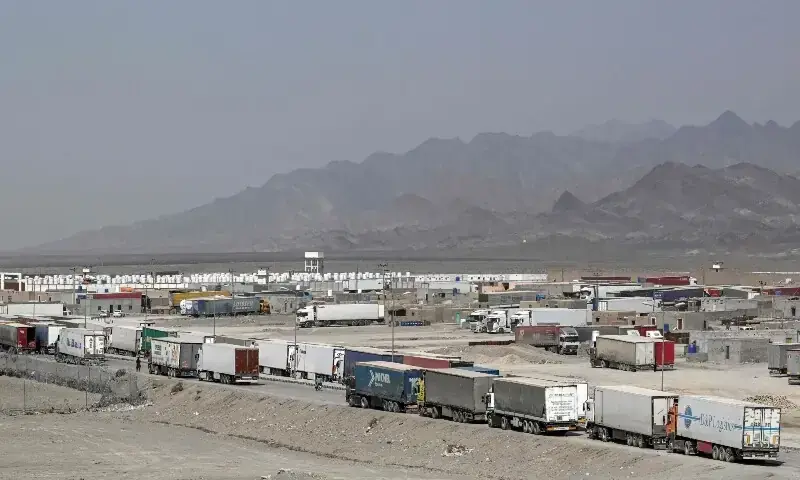
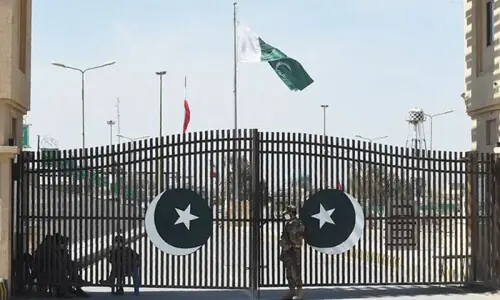
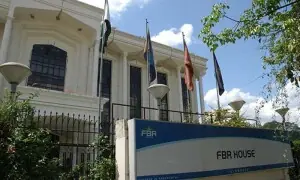
ISLAMABAD: The Federal Board of Revenue (FBR) has formally notified the establishment of a new land customs station at the border town of Taftan, a move that signals renewed focus on formalising and expanding Pakistan’s trade infrastructure with Iran.
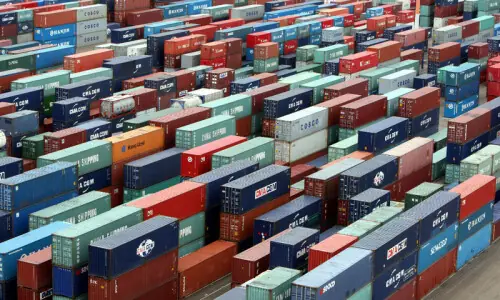
According to a customs notification SRO1055 of 2026, the FBR has declared the Railway Station Taftan, spread over 11.75 acres, as a land customs station for the loading, unloading and clearance of imported and exported goods.
The notification specifies the facility’s geographical limits and brings the railway-linked terminal into the formal customs network. The development is expected to facilitate cargo handling through rail connectivity at Taftan, which has historically remained underutilised despite its strategic location as Pakistan’s primary land gateway to Iran.
Land customs station status aims to reduce informal channels and lower transport costs
By granting the status of a land customs station, tax officials aim to streamline documentation, clearance, and inspection processes, while reducing reliance on informal or fragmented trade channels.
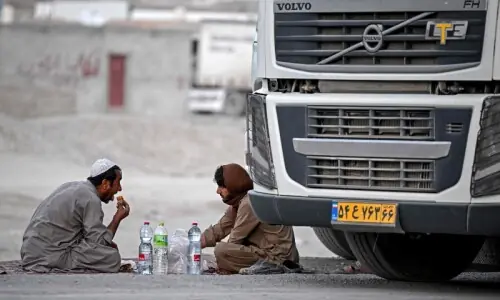
The move comes in the backdrop of Pakistan’s ongoing efforts to expand formal trade with Iran, which has long been constrained by sanctions, limited banking channels, and weak border infrastructure.
Pak-Iran officials have made repeated commitments to raise bilateral trade volumes to $5 billion, but actual trade has remained significantly below potential, largely due to logistical bottlenecks and regulatory gaps.
One recurring issue has been the lack of fully functional customs and transport facilities at border crossings, which has restricted the movement of goods and discouraged large-scale commercial transactions. The notification appears to address part of that structural gap by operationalising rail-based cargo clearance at Taftan.
Trade analysts suggest that integrating rail infrastructure with customs operations could reduce transportation costs and improve efficiency for bulk goods, particularly in sectors such as agriculture, minerals, and petroleum products, which dominate cross-border trade.
The formal recognition of Taftan railway station as a land customs station marks a step toward institutionalising trade routes that have long operated below capacity, and reflects a broader policy direction aimed at normalising economic engagement with Iran through documented and regulated channels.
Published in Dawn, June 25th, 2026