Govt borrows Rs4.9tr from banks
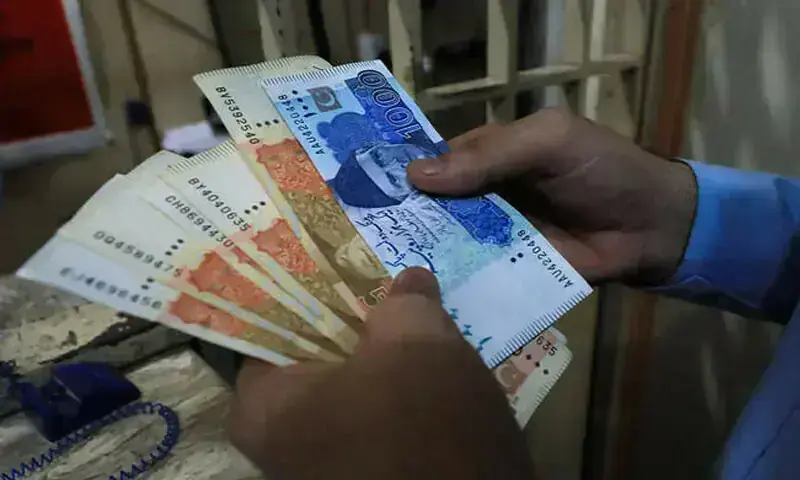
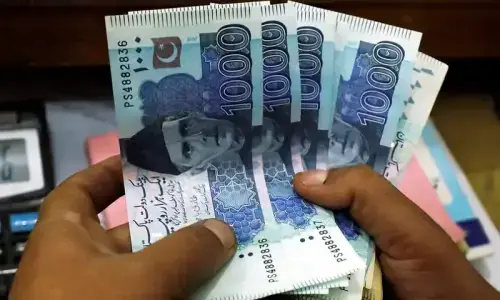
KARACHI: The government borrowed over Rs4.9 trillion from banks by June 12, compared with Rs3.7 trillion in the corresponding period last year, reflecting increased spending despite the massive growth in tax revenues over the past three years.
The State Bank of Pakistan (SBP) reported on Monday that the government’s bank borrowings for the period from July 1 to June 12 in FY26 reached Rs4.918tr, which is much higher than last year’s, with 18 days still left to borrow more.
Financial experts believe total borrowing in FY26 may exceed last year’s borrowing of Rs5.434tr by the end of FY25. It seems odd that government borrowing has been rising even as revenues have grown strongly each year.
During the last three years from FY24 to FY26 (up to June 12), the government has borrowed a cumulative Rs18.86tr from banks, which is more than the total federal budget outlay for FY27.
Rising borrowing has increased debt-servicing costs, which now consume over half of the FY27 budget outlay. FBR revenues surged from about Rs7.16tr in FY22 to a target of Rs15.26tr for FY27. Despite this massive increase, the government has been borrowing heavily.
The share of debt servicing could increase with heavy borrowing from banks, as witnessed over the last three years.
In the last one-year, the government’s domestic debt surged by Rs5.566tr to Rs58.089tr in April. The SBP data showed that since June 2025 the domestic debt increased by Rs3.6tr up to April.
The massive allocation of Rs8tr for debt servicing in FY27 leaves a meagre Rs1tr for PSDP, reflecting poor growth trajectory of the economy.
Economists and analysts have identified loopholes in government spending that require additional funds.
However, there is no effective strategy to reduce these expenditures; instead, the government continually prioritises increasing tax revenues, which ultimately places a burden on the nation.
Published in Dawn, June 23rd, 2026