Pakistan’s vital US-Iran peace efforts
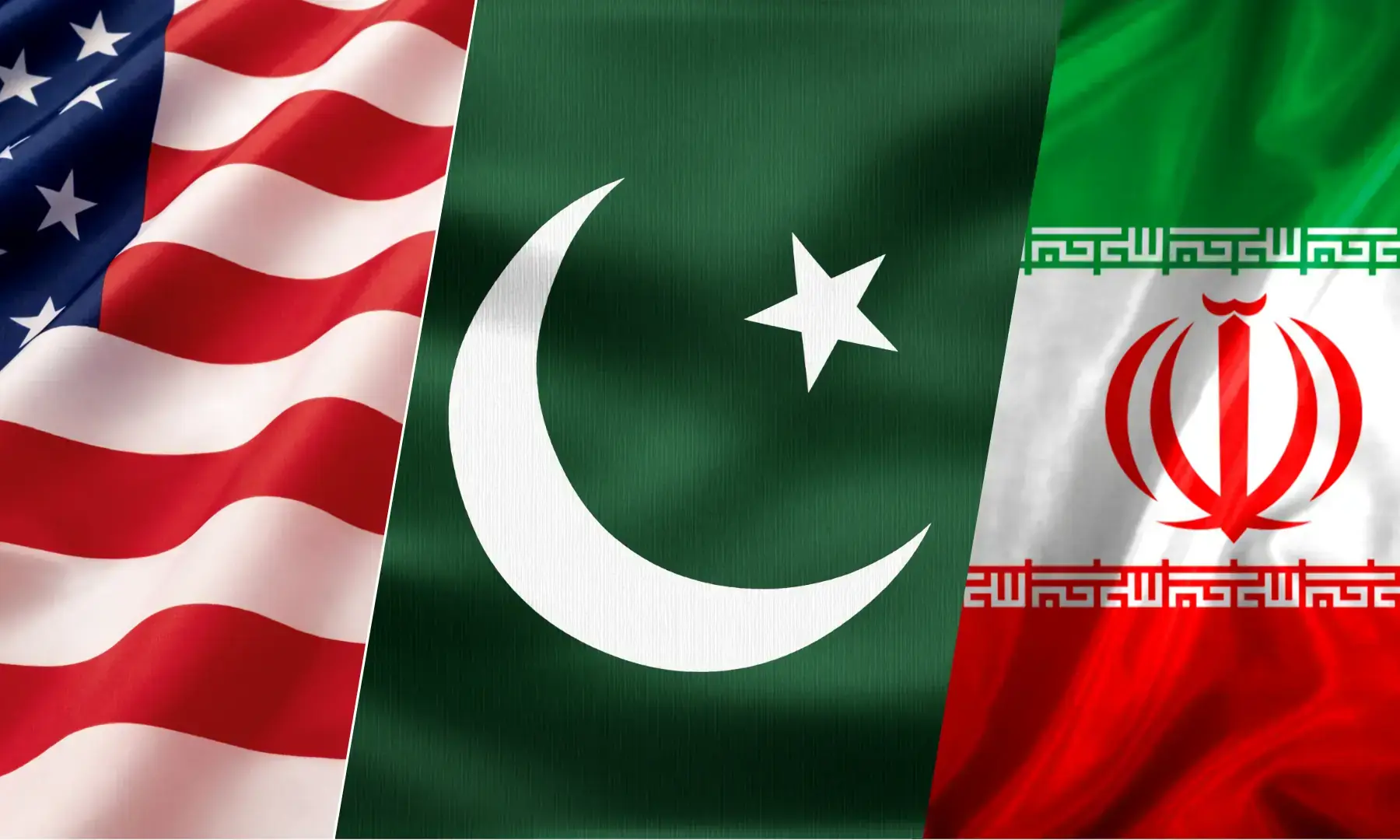


US President Trump announced in Wisconsin that the Iran war is “largely finished.” He explained that his goal is to prevent Iran from getting a nuclear weapon and “the situation with Iran seems to be going quite well”. President Trump also said that he would be honoured to meet the Iranian Supreme leader if the US and Iran can make a deal.
Despite occasional skirmishes and ambivalent Iranian signals, the optimism expressed by the US President indicates Washington hopes to eventually achieve enduring peace. This would not have been possible without the pivotal role played by Pakistan and Field Marshal Asim Munir in navigating the delicate peace process, despite landmines being laid throughout the process and across the region to sabotage it.
Pakistan has played the leading role throughout this precarious peace process that faces complex challenges. For 47 years, the US viewed Iran as a threat to its regional interests and employed coercive diplomacy and economic sanctions to dissuade Tehran from pursuing its nuclear programme and supported political activists opposed to the Iranian political system.
However, two direct and major US and Israeli attacks within one year on Iran during Trump administration caused major damage to its infrastructure, killing thousands of people, including decapitation strikes on Tehran’s ideological, political, intelligence and military leadership. Although the Iranian political and security system seems to have absorbed these lethal attacks, it has also created a new security dynamic which poses more challenges to the diplomatic progress.
Western military strategy traditionally assumes that decapitation of top political and military leadership can damage the political will of the adversary to wage war which can bring about a quick and decisive victory and help avoid a long and costly war of attrition. This approach seemed to work during World War II against Adolf Hitler, and later against the regimes of Saddam Husain, Muammar Qadhafi and Bashar al-Assad.
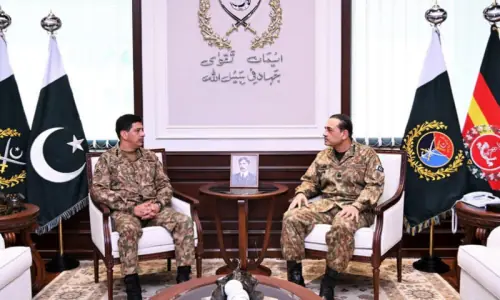
Field Marshal Munir is the only international figure who has made two visits to Iran at the height of the crisis to persuade its political, military and diplomatic leadership, facilitate an enduring ceasefire and encourage progress on complex contentious issues
However, these were totalitarian regimes whose political system collapsed as soon as their central figurehead was removed. This was not the case in Iran where the loss of top ideological, political and military leadership was a major shock to the nation but didn’t disturb Tehran’s political system or its military strategy.
Iran has deliberately expanded both the theatre of conflict and the diplomatic chessboard. This has led the talks agenda to shift and expand beyond the Iranian nuclear programme to also include the opening of the Strait of Hormuz, enduring ceasefire in Lebanon and sanctions relief on Tehran’s frozen financial assets.
Moreover, the decapitation of Iranian ideological, political and military leadership removed the most charismatic and experienced diplomatic figures, most notably Ayatollah Ali Khamenei and Ali Larijani, who have a track record of negotiating with the US. This has shifted power within Iran towards individuals who have not only more military experience of campaigns in Syria than diplomatic know-how, but also have a far deeper distrust of the US than their more seasoned predecessors –the first Trump administration unilaterally quit the Joint Comprehensive Plan of Action (JCPOA), while his second term saw the elimination of Tehran’s national leadership.
These attacks have deepened Iranian distrust, which has also hardened Tehran’s stance. This makes diplomatic progress not only more difficult, but has made Pakistan’s role more critical and necessary for the success of this complex and delicate peace process.
Field Marshal Asim Munir was the only international figure to make two visits to Iran at the height of the Middle East crisis, to persuade Iranian political, military and diplomatic leadership, facilitate an enduring ceasefire and encourage progress on complex contentious issues. Despite pitfalls, Pakistan remains in a unique position to continue to steer this peace process because it simultaneously enjoys trust by both the US and Iran.
This was made possible because Pakistan assured Iran that its territory and airspace will not be used for attacks on Iran, Islamabad condemned the attacks on Iran, as well as attacks on the civilian infrastructure of Saudi Arabia and other Gulf states as a violation of international law.
But most importantly, Field Marshal Munir secured President Trump’s security commitment that Iranian leadership will no longer be targeted. Without this vital security guarantee, there was no chance for the peace process to begin. Each social media post and statement by President Trump that expresses hope for a lasting ceasefire and resolution of other issues has helped de-escalate hostilities and eased global oil prices, which currently reflect unprecedented damage to the world energy and economic security.
The fruits of Pakistan’s leading role and painstaking efforts as a ‘net regional stabiliser’ are being acknowledged, appreciated and enjoyed around the world. The final outcome of this peace process may take time but history will remember that it was only Pakistan that rose to the occasion to help end a major conflict, save precious lives and end the suffering of humanity, particularly the poor people around the world, when the international community had lost its trust and hope from international law and institutions for protecting regional peace, security and stability.
The writer is an Islamabad-based security analyst with three decades of experience in teaching international security and strategic affairs.
Published in Dawn, June 9th, 2026