India must rein in internal pressure on border push-ins
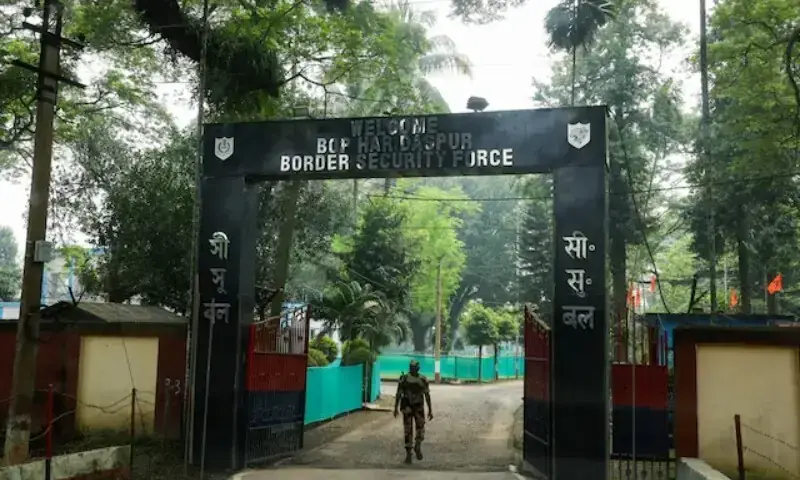


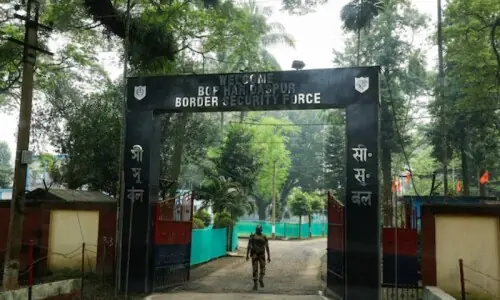
A deeply troubling issue is unfolding along India’s border with Bangladesh, which deserves far more attention than it has received. On Friday alone, India’s Border Security Force (BSF) made at least ten separate attempts to push groups of people —men, women, and children — across the zero line into Bangladesh. The Border Guard Bangladesh (BGB) thwarted each attempt. At least 88 people are now stranded in no-man’s land. According to Human Rights Support Society, at least 166 people were pushed into Bangladesh in May alone.
These do not appear to be isolated or rogue incidents. Rather, they seem to reflect the blatant expression of a political campaign against particular groups. Since the Bharatiya Janata Party’s recent electoral victories in West Bengal and Assam, anti-migrant rhetoric has hardened into policy.
West Bengal Chief Minister Suvendu Adhikari announced a “detect, delete and deport” framework within days of taking office, directing police to hand detainees over to the BSF for removal and instructing district administrations to establish holding centres across border districts.
In Assam, Chief Minister Himanta Biswa Sarma admitted to the practice, saying his government pushes alleged migrants across the border at night and at locations where Bangladeshi forces are absent, because formal deportation procedures are too slow.
Such attempts violate international norms and strain bilateral relations
International law does not permit one sovereign state to forcibly transfer people —regardless of their nationality or immigration status — into the territory of another without consent. Bangladesh’s border authorities are therefore right to resist them and to insist on proper identity verification before accepting anyone. The BSF’s assertion that the stranded individuals are Bangladeshi nationals is not, by itself, proof.
India’s own Supreme Court has previously found instances in which Indian citizens were wrongly pushed across the border, after being labelled as Bangladeshis. Besides, the push-in issue comes at a particularly sensitive moment in Bangladesh-India relations. Since the political transition in Dhaka and the formation of a BNP-led government under Prime Minister Tarique Rahman earlier this year, both countries have invested in a cautious reset.
Meetings have taken place, and Indian authorities reportedly assured Dhaka that push-ins would cease. We now are witnessing the opposite of that assurance, thus giving way to avoidable diplomatic friction.
India may have legitimate concerns about irregular migration along its long and porous frontier. But the answer cannot be the extrajudicial transfer of human beings who may include stateless persons, trafficking victims, or individuals with lawful claims to remain in India.
Therefore, New Delhi should make it clear that state governments and border authorities cannot circumvent established deportation procedures. Ongoing talks between Bangladesh and India should produce a credible framework for verification, repatriation, and legal cooperation. Equally, Indian officials should stop treating verification delays as a provocation for pushing people across the border.
India’s conduct along the Bangladesh border has become a test of its commitment to the rule of law and responsible neighbourly relations. At present, India is failing that test.
Published in Dawn, June 8th, 2026