0
0

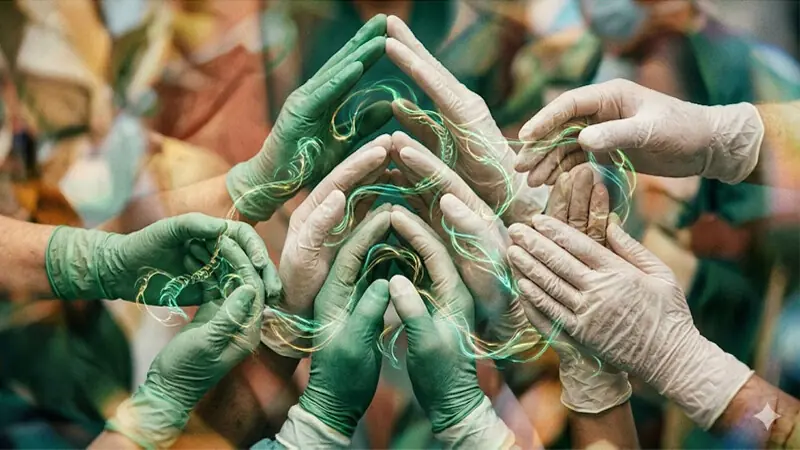
THE International Nurses Day (May 12) made no waves in Pakistan which is a pity. Globally, the day is observed as a reminder of quiet courage, steady compassion and the invisible strength that holds healthcare systems together. On this day, the world pauses to recognise nurses not only for what they do, but for what they consis-tently choose to be: present, patient and committed even in the most difficult moments.
I still remember an evening at the Sindh Institute of Urology and Trans-plantation (SIUT) in Karachi when I was on duty as a nursing student. A close family member had been admitted in an emer-gency. The wards were crowded, the doctors were moving quickly from one patient to another, and there was a sense of urgency everywhere. In the middle of all this, it was a nurse who stayed calm and steady. She checked the patient’s condition repeatedly and explained each step of the treatment to the attendants in a way they could understand.
That small act of patience meant more to them and this was clearly visible on their faces. What stayed with me the most was not just her skill, but her attitude. Even after hours of continuous duty, she did not show frustration or fatigue in front of patients. Later, I realised that this was not an exception; it is the daily reality for nurses.
In our society, we often talk about doctors, hospitals and medical facilities, but we tend to overlook the professionals who spend the most time with patients; the nurses. They are the ones who monitor recovery through the night, respond to emergencies instantly, and provide emotional comfort when patients and families feel overwhelmed.
Nursing is not an easy profession. Long shifts, emotional pressures and limited resources in many healthcare settings make their job seriously demanding. Yet, despite the challenges, nurses continue to show dedication that quietly holds the entire system together. Society needs to sincerely acknowledge their contribution. Respect for nurses should not be limited to appre-ciation posts or annual observances.
It should be reflected in better working conditions, respect and recognition of their role as essential healthcare professionals.
Neha Asif Khan
Karachi
Published in Dawn, May 31st, 2026