US-Israeli war on Iran costs US consumers nearly $60bn: data

Published May 31, 2026 Updated May 31, 2026 01:12am

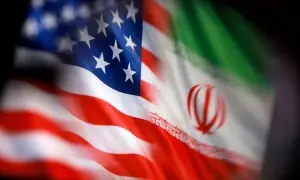
The economic fallout from the US-Israeli war on Iran has added hundreds of dollars to household expenses across the United States, Al Jazeera reports citing a new analysis.

Data from Moody’s Analytics finds that the average US household spent an additional $447.19 on fuel-related costs since the conflict began on February 28.

The increase, driven by higher petrol prices and rising air fares, cost US consumers almost $60bn collectively over the past three months, CNBC reports.

Economists warn that the financial strain is likely to intensify if the conflict drags on.

“Unless the war ends soon, financially pressed consumers will have no option but to turn more cautious in their spending, threatening the already soft economy,” says Mark Zandi, Moody’s chief economist.

The analysis suggests that if energy prices remain at current levels, the average household could face nearly $2,000 in additional costs by the first anniversary of the war.


Opinion

Editorial

Diplomatic resolve
Updated 30 May, 2026

Diplomatic resolve

Iran, too, must engage seriously and provide credible assurances about its nuclear programme if it wants sanctions relief and a more stable relationship with the outside world.
Weaponising water
30 May, 2026

Weaponising water

CLIMATE Minister Musadik Malik’s warning against what he described as “water aggression” indicates ...
Rabies toll
30 May, 2026

Rabies toll

EVERY year, rabies, the deadliest zoonotic disease, kills more than 59,000 people worldwide. In Pakistan, it is one...
Pressure politics
Updated 28 May, 2026

Pressure politics

The attempt to connect the Iran conflict with the Abraham Accords makes little sense.
Eid’s true spirit
Updated 27 May, 2026

Eid’s true spirit

Pakistan celebrates Eid while grappling with economic strain that continues to weigh heavily on ordinary households.
Cotton crisis
Updated 29 May, 2026

Cotton crisis

We need a coherent long-term cotton strategy or else, Pakistan might lose a key pillar of its export economy.